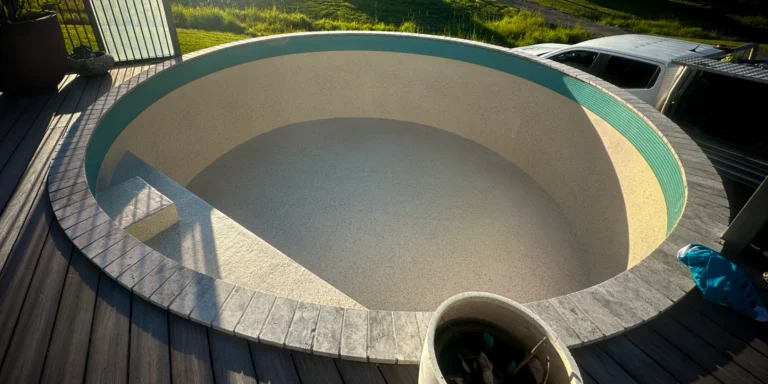
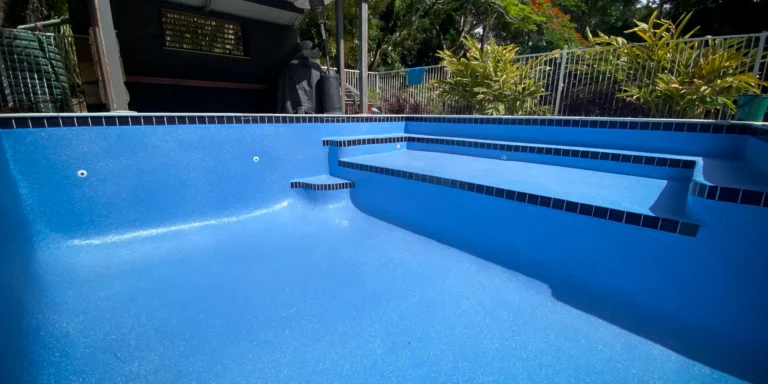
Replace ageing pool paint with a reinforced fibreglass interior
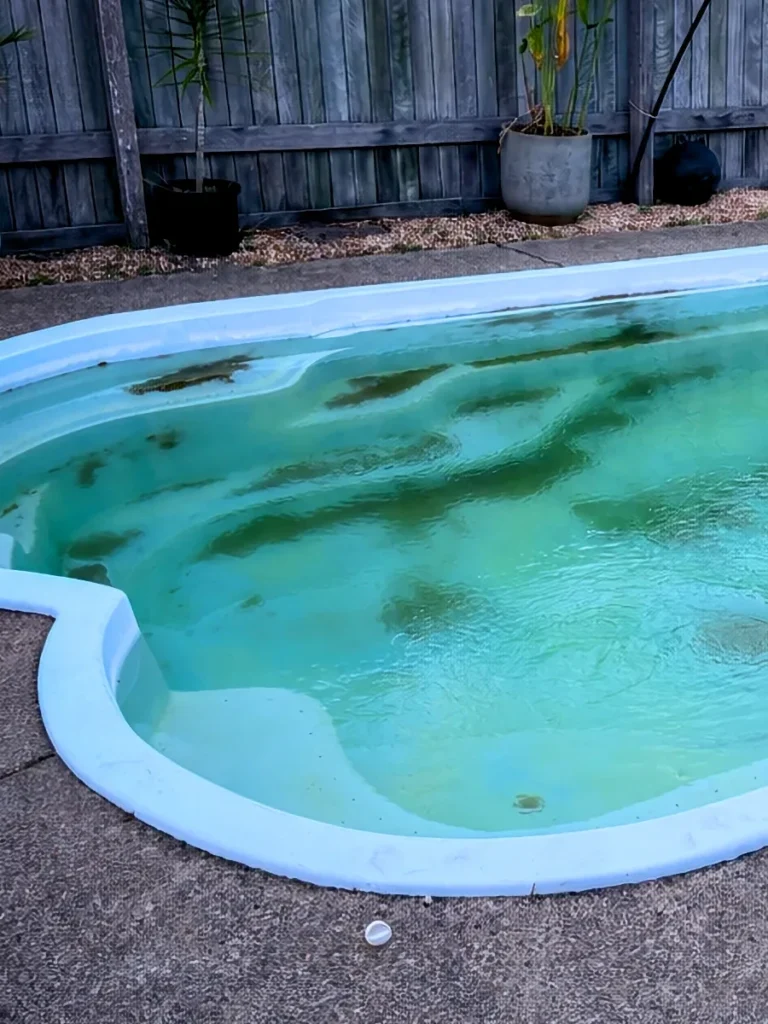
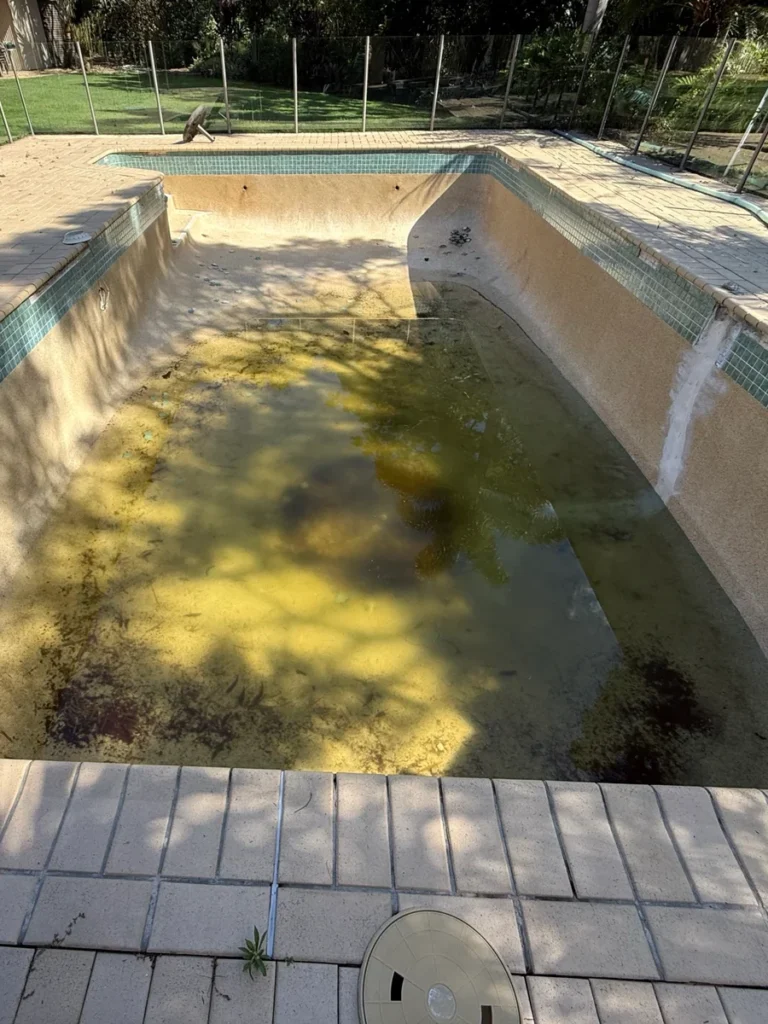
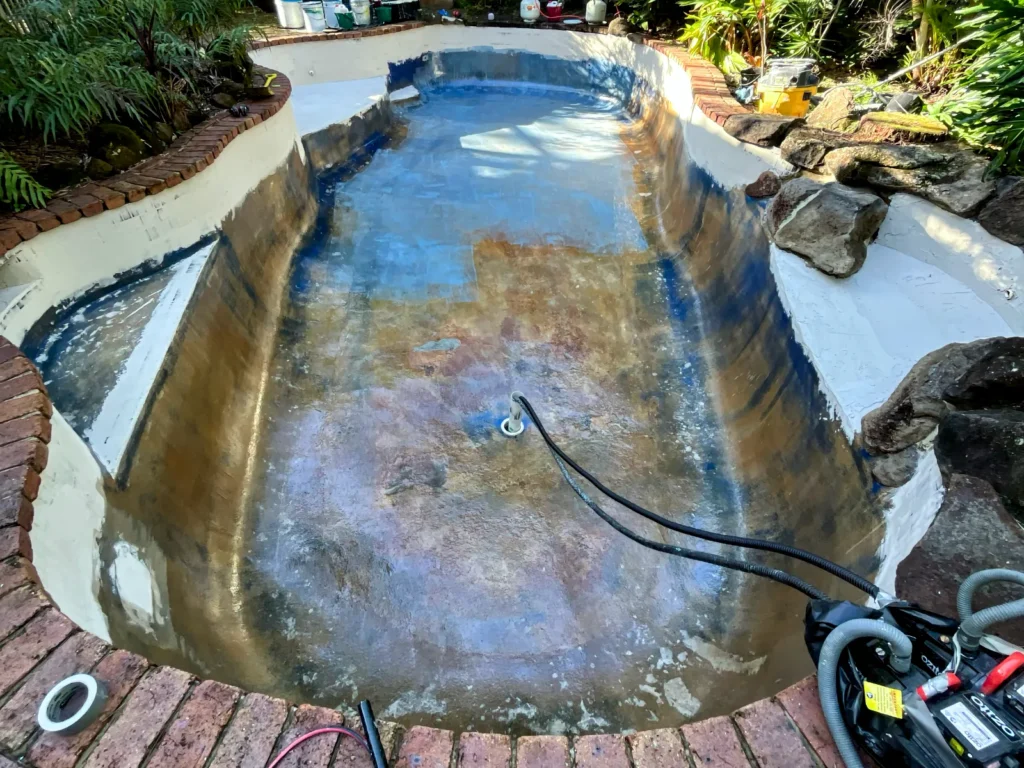
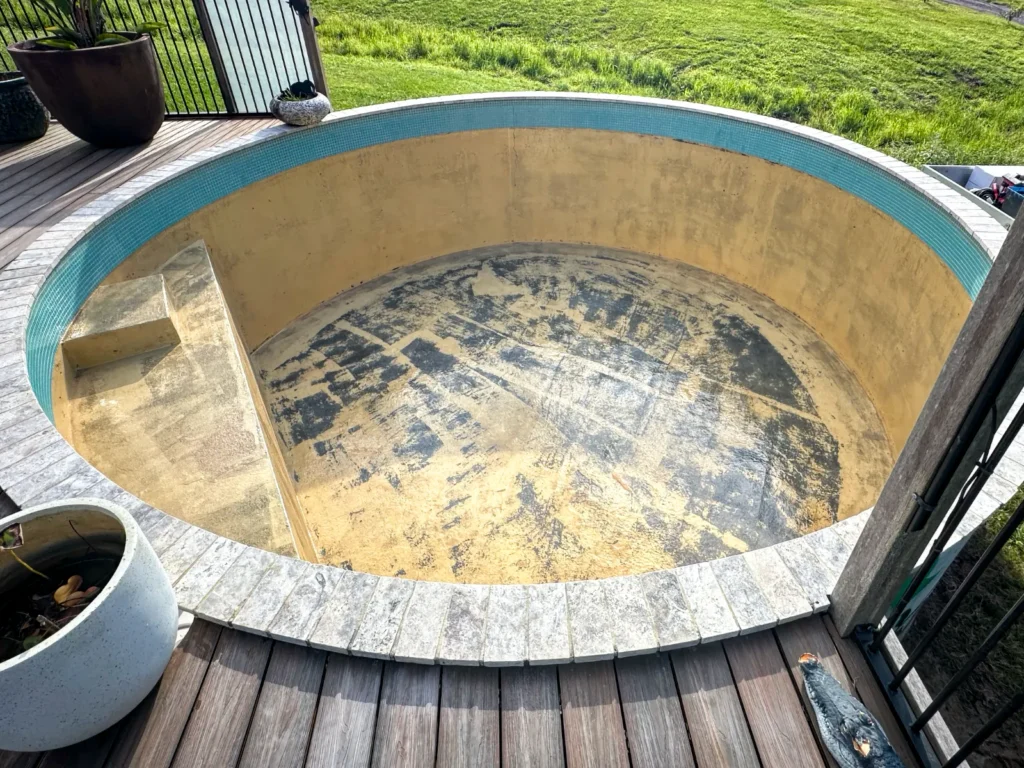
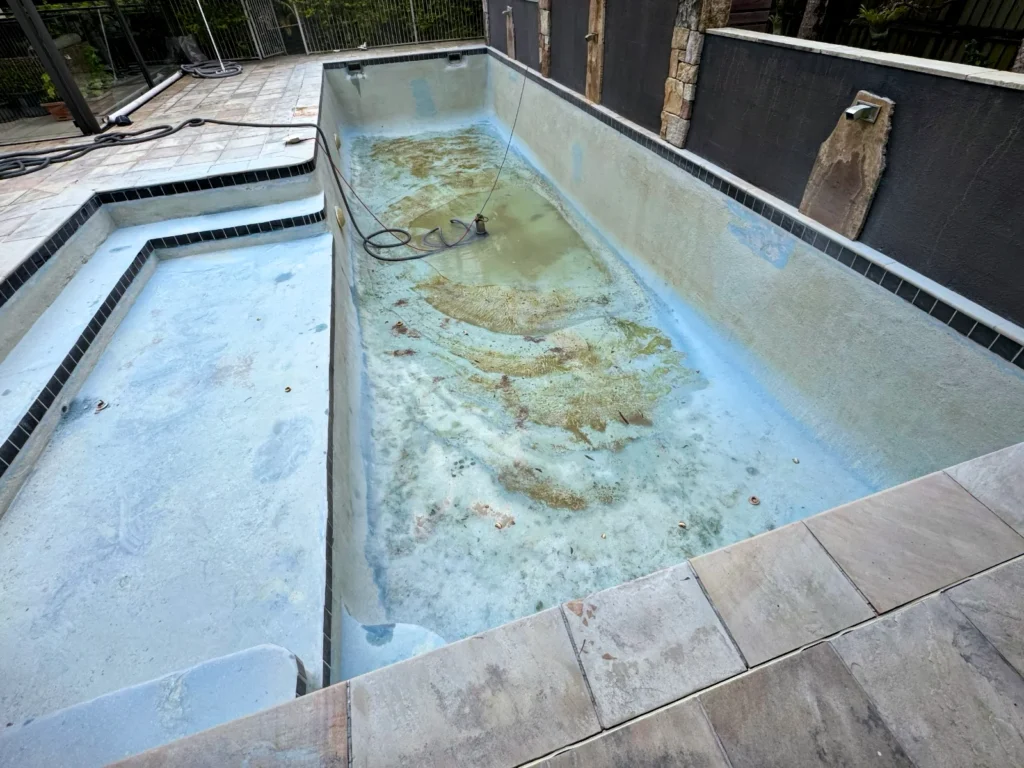
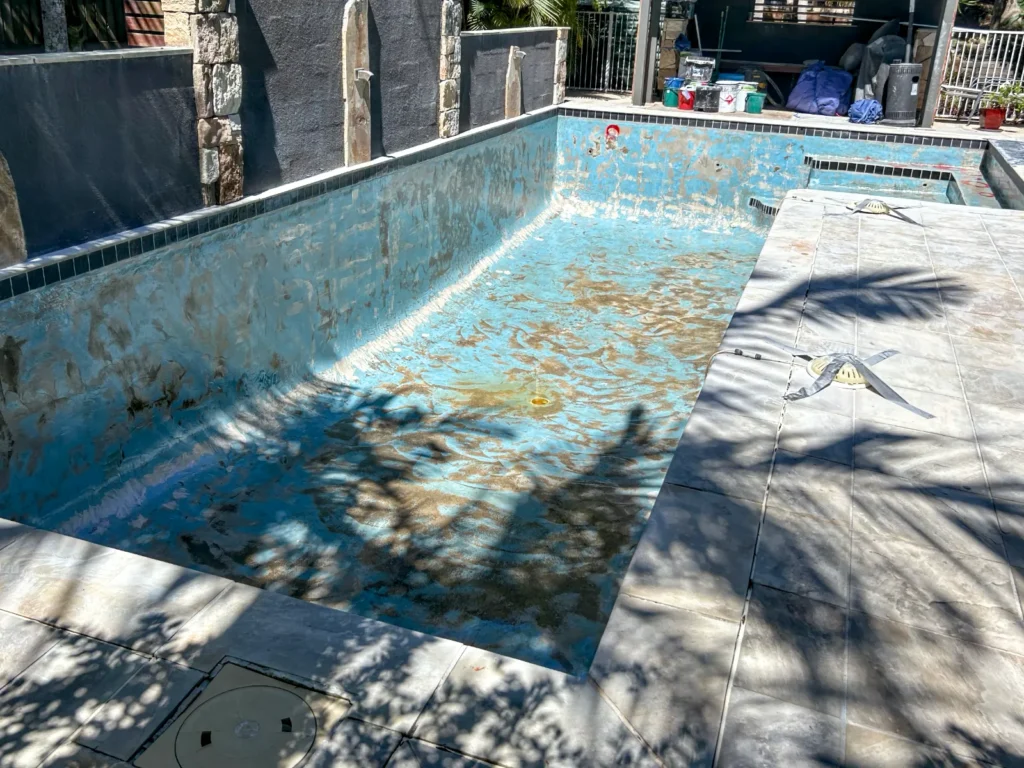
Painted swimming pools can develop chalking, fading, blistering, peeling and exposed patches as coatings age under sunlight, pool chemicals and continuous immersion. Applying another coat over weak or incompatible paint may temporarily improve appearance without correcting the failed surface beneath it.
Fibreglaze assesses the existing coating and concrete substrate, removes loose or unsuitable paint, mechanically prepares the pool and repairs cracks, pitting and other defects. Uneven areas are levelled before a continuous ENDURATEC reinforced lining is installed. The selected AquaGuard colour finish replaces the paint-only interior with a smooth, seamless surface that is easier to clean and maintain.
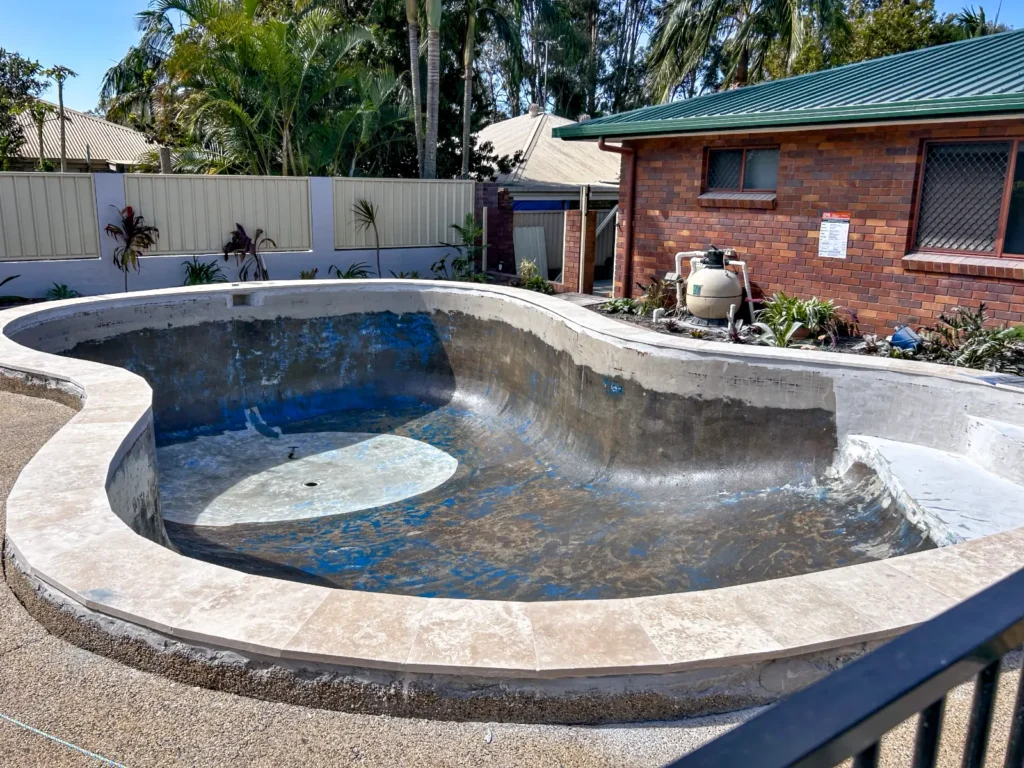
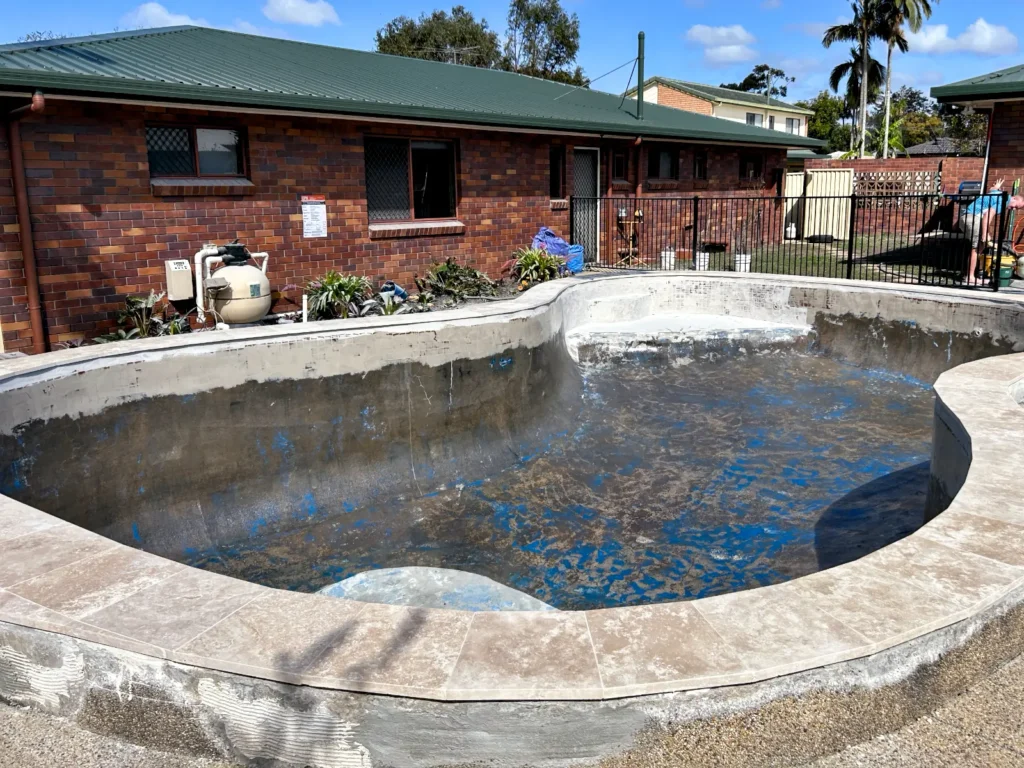
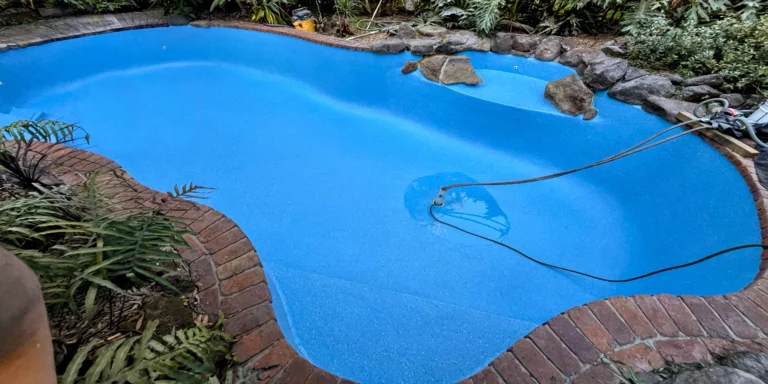
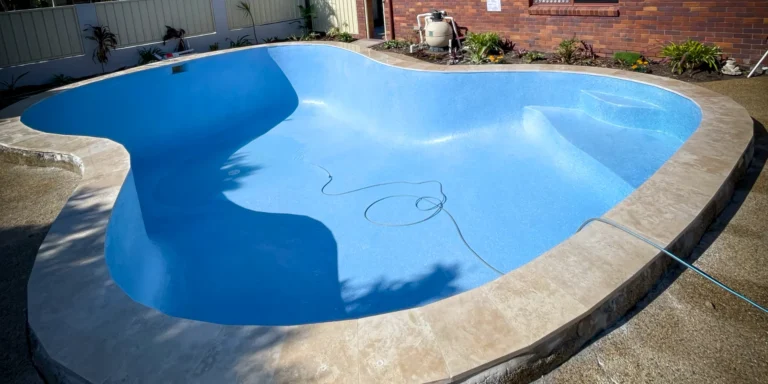
The finished result
Failed paint removed rather than concealed beneath another coat
Cracks, pitting and surface defects addressed before lining
A smooth, seamless finish that is easier to maintain
Common signs your Painted Pool may need resurfacing
An inspection can determine whether local repairs are suitable or whether the pool would benefit from complete resurfacing.
Wearing & Fading
A faded, chalky or worn pool surface can become rough, porous and harder to keep clean. The condition should be assessed before resurfacing so weak material is removed and underlying defects are repaired.
Staining, roughness and an outdated finish can make a sound pool unpleasant to use and difficult to maintain. The underlying cause must be identified before the surface is cleaned, levelled and restored.
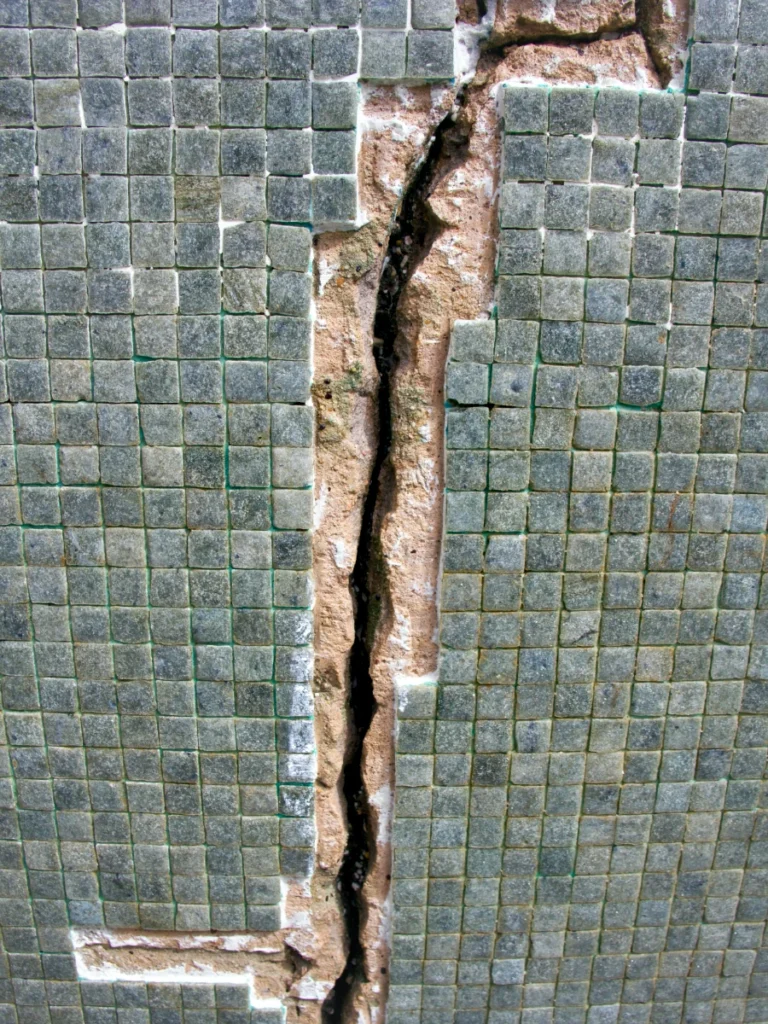
Pool cracks range from fine surface crazing to movement-related shell damage. An inspection is needed to identify the crack type, determine whether movement is continuing and select a repair that addresses more than the visible line.
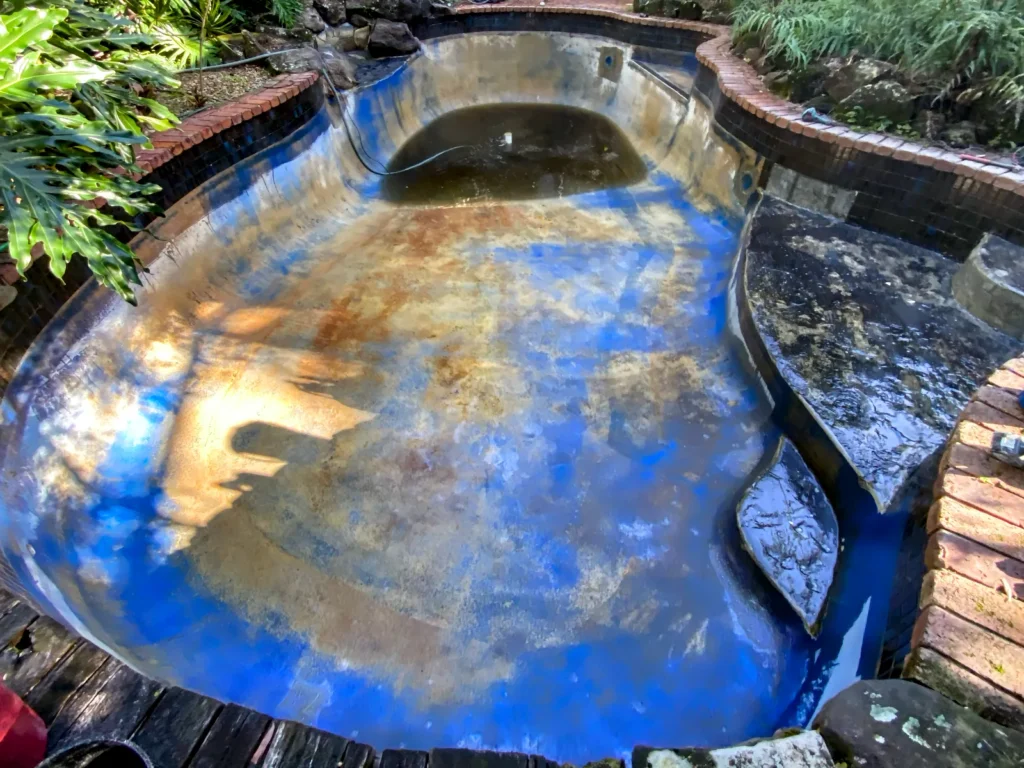
Preparation removes loose, peeling or incompatible paint and exposes the condition of the concrete beneath it. Cracks, pitting, rust staining and uneven areas are repaired and levelled before the new lining is installed. These photographs show the work hidden beneath the finished colour surface.
Our Resurfacing Process
How we resurface a Painted Pool
Every pool is assessed individually, but the work generally follows five stages—from confirming the scope and preparing the existing surface to installing the reinforced lining and applying the selected finish.
1
Assess and plan
We review the pool details and photographs, then arrange a site inspection where required. The paint system, adhesion, exposed substrate, cracks and visible coating failures are assessed. Once the pool is empty, the full extent of chalking, blistering, peeling and previous repairs can be confirmed before work proceeds.
2
Prepare the existing surface
Loose, chalking or incompatible paint is removed, while firmly bonded areas and the exposed substrate are cleaned and mechanically prepared. This reveals pitting, cracks and concealed coating failures that require attention and creates a sound, properly keyed base for the repair and lining stages.
3
Repair and level
Cracks, pitting, hollow areas and irregular transitions are treated according to their condition and extent. Areas exposed by coating removal are repaired and levelled where required, creating a consistent, stable profile so deterioration is not concealed beneath the new reinforced lining.
4
Install the reinforced lining
A reinforced fibreglass lining is applied across the prepared pool interior to form one continuous system rather than another paint-only coating. Additional reinforcement is incorporated where the assessment and repairs require it. The completed lining creates an even foundation for the selected AquaGuard finish.
5
Finish and handover
Two UV-stabilised AquaGuard top coats are applied in the selected colour, followed by the chosen speckle finish. Once cured, the pool is inspected and applicable fittings are refitted. Guidance is then provided for refilling, initial water balancing and ongoing care of the new surface.
Tell us what you can see and what you would like to improve. Details about chalking, fading, blistering, peeling, exposed areas, cracks and previous repairs help us prepare for the first review; the final preparation scope is confirmed after the pool is emptied and inspected.
Approximate pool size, location and access
Peeling, blistering, fading, cracks or previous repairs
Clear overall and close-up photographs
YOUR POOL
Tell us about your painted pool
Painted pool conversion enquiry
Painted Pool Resurfacing FAQs
Should I repaint my pool or resurface it with fibreglass?
A further paint system may suit a pool where the existing coating and substrate are sound and the owner intends to retain a paint finish. Fibreglass resurfacing is more involved, but may be appropriate where coatings are repeatedly peeling, blistering or chalking, or where cracks, pitting and earlier repairs also need to be incorporated into a continuous lining. Neither option should be selected from appearance alone. Compare the removal, preparation, repairs, finished system and likely future maintenance included in each quotation.
Does all the old pool paint need to be removed before fibreglass resurfacing?
Loose, peeling, blistered, chalking, contaminated or incompatible paint must be removed because a new lining cannot rely on a failed coating for support. Firmly bonded remnants may only remain where their condition, compatibility and bond to the substrate have been assessed and the surface can be mechanically prepared to the required profile. Exposed concrete, cracks, pitting and previous repairs are then treated before the reinforced lining is installed. The extent of removal is confirmed after the pool is emptied and representative areas are inspected.
What affects the cost of fibreglass surfacing or converting a swimming pool?
Pool size is only one part of the price. The existing surface, access, pool shape, fittings and amount of preparation can have a greater effect. Costs can increase where failed paint, tiles or a vinyl liner must be removed, or where cracks, osmosis, hollow areas, corrosion, movement or an uneven substrate need repair. A useful quotation should state what removal, preparation, repairs, lining, finish and clean-up are included so different proposals can be compared on the same scope.
How long does fibreglass pool surfacing take, and when can the pool be refilled?
The programme depends on the pool type, condition, access and repairs found after it is emptied. Draining, preparation, drying, repairs, installation, curing and refilling are separate stages, and weather can affect several of them. Pools with osmosis, failed coatings, loose tiles or concealed damage usually need more time. The pool should not be refilled until the installed system has reached its required cure and the contractor confirms it is ready. Ask for a project-specific programme rather than relying on a generic number of days.