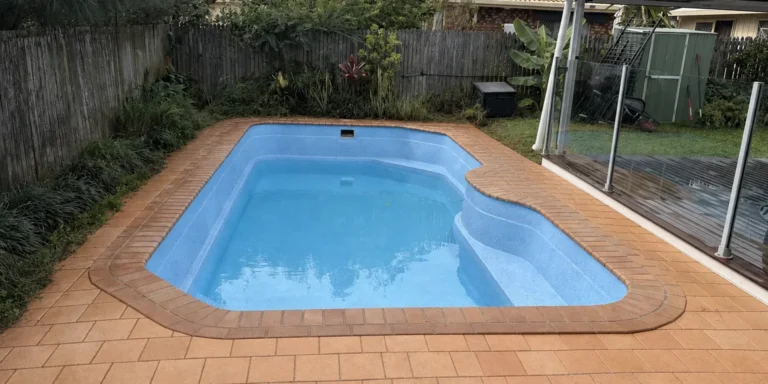
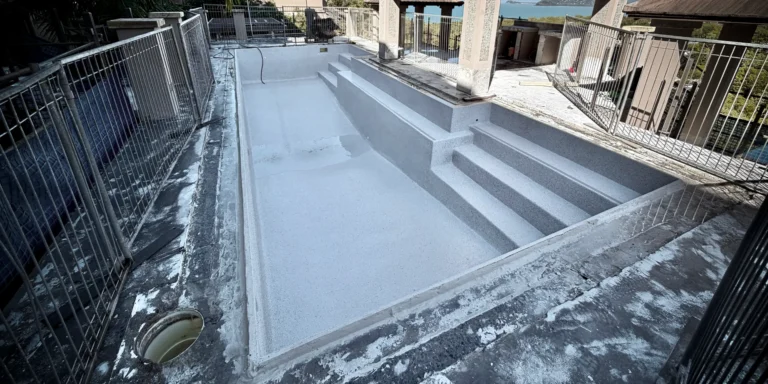
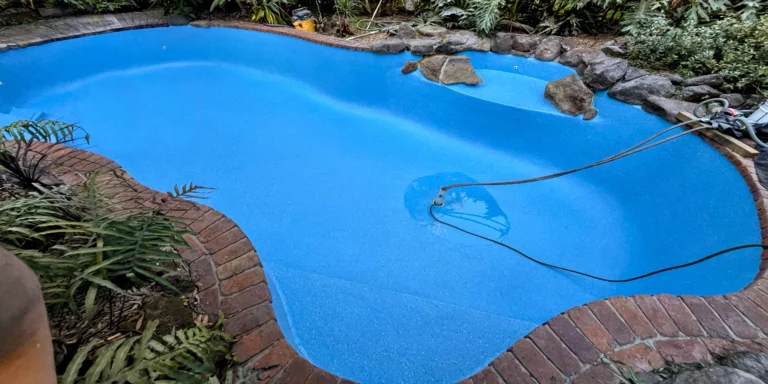
A rough or discoloured surface may be staining, scale, wear or deterioration within the finish. Water loss may come from evaporation, plumbing, fittings, a liner or the pool shell. A visible crack may be limited to the surface or connected to movement beneath it.
Photographs and the history of the pool help with an initial review, but they do not confirm the full repair scope. Construction, previous repairs, surrounding ground, water-loss patterns and the condition exposed after controlled emptying may all influence the recommendation.
Maintenance, cleaning or monitoring where the interior remains serviceable
A localised repair, leak test or separate plumbing or structural investigation where another cause is suspected
Resurfacing where deterioration is widespread or must be integrated into one continuous lining
These groups are a starting point, not a diagnosis. Open the closest match to learn what Fibreglaze would inspect and which repair considerations may apply.
For fading, chalking, staining, roughness, scale-like deposits or an interior that has become difficult to keep clean.
For raised bubbles, soft or separating fibreglass, drummy sounds, crumbling material or finishes no longer firmly bonded underneath.
For recurring cracks, unexplained topping-up, raised floors, bowed walls or movement around steps, corners and fittings.
For loose or deteriorated tiles, aged vinyl liners, or new concrete shells that need assessment before an interior lining is installed.
The correct response depends on the cause and the condition around the visible defect. Fibreglaze does not treat every symptom as a resurfacing job.
The final pathway is confirmed after the relevant inspection and, where necessary, controlled exposure of the existing surface.
A sound finish may need stain treatment or water correction rather than resurfacing. Water loss may need testing to distinguish evaporation, plumbing, fittings and pool-interior causes.
Widespread deterioration or multiple failed areas may require resurfacing or conversion to a continuous reinforced lining.
Active movement, groundwater, drainage, lost support, plumbing faults or structural concerns may require separate investigation or corrective work.
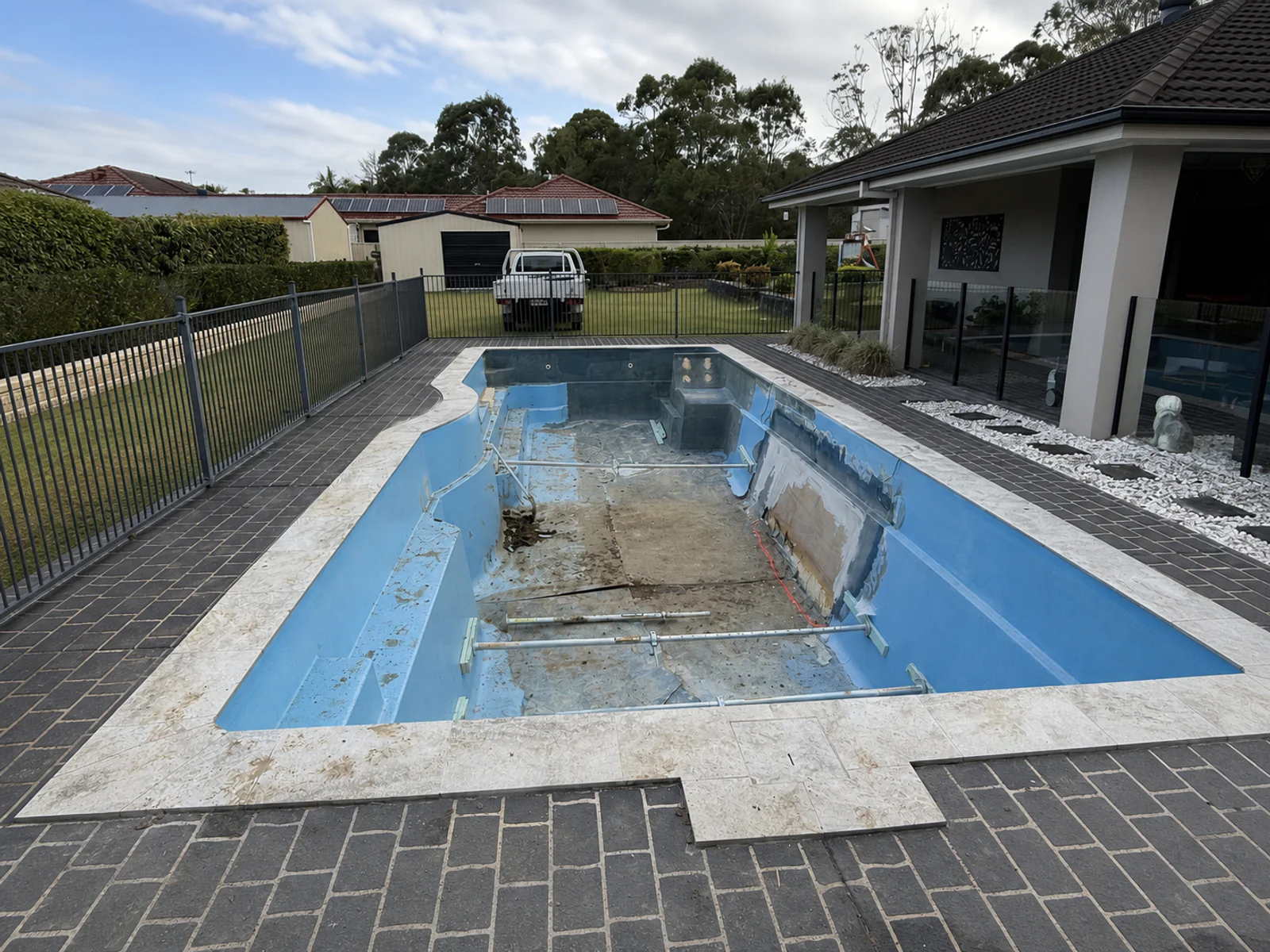
Narangba, QLD · Cracking, deformation and osmosis blistering
A successful repair begins with identifying what is actually failing. Covering a weak, damp, moving or poorly bonded surface can leave the underlying defect active and make the same problem reappear through later work.
Define whether the concern is limited to the finish, extends into the lining or involves the pool shell
Separate surface defects from plumbing, groundwater, support or continuing movement
Remove or expose unsound material far enough to confirm a suitable repair boundary
The assessment may lead to a local repair, broader preparation and resurfacing, conversion to fibreglass or separate specialist work. The recommendation should follow the evidence—not the appearance alone.
The pathway varies with the condition, but it generally follows five stages. Where concealed defects are possible, the final scope may only be confirmed after controlled emptying and exposure.
Send the pool type, location, visible symptoms, when they began and clear photographs. Note known leaks, movement, previous repairs or recent changes.
We compare the signs with the pool construction and decide whether photographs are enough for initial guidance or a site inspection or test is needed.
Where required, the surface, fittings and surrounding clues are checked so plumbing, surface, lining and movement-related causes are not treated as the same problem.
If work proceeds, controlled emptying and exposure may reveal weak, hollow, damp or previously repaired material that changes the final preparation and repair scope.
The findings are used to define a local repair, resurfacing, conversion, monitoring or separate specialist work, together with the limits of the proposed scope.
Explore completed Fibreglaze projects showing the original condition, preparation and finished result across fibreglass and concrete-based pool interiors.
Send us a few photos and our team can help identify the likely issue and the most suitable next step.