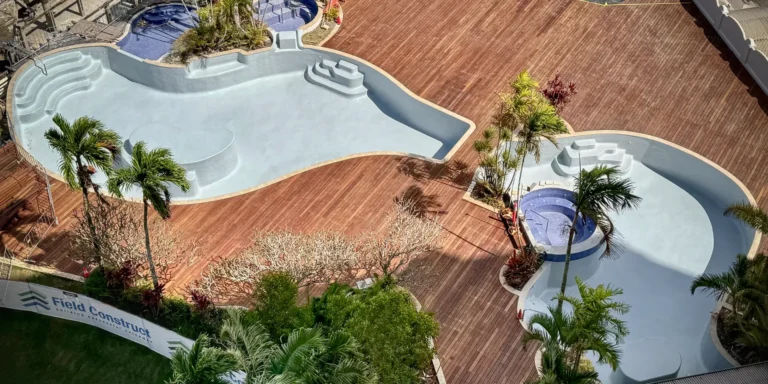
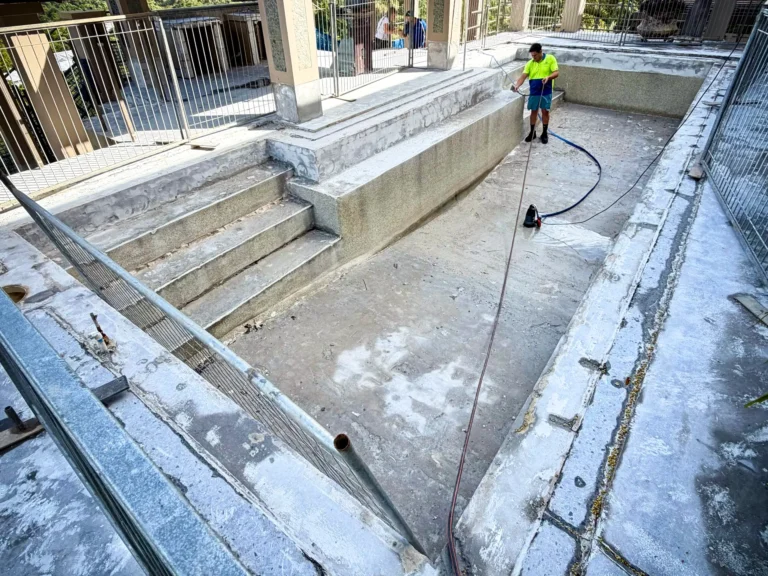
The Santai Palm Cove pool resurfacing formed part of a broader remediation program following an independent assessment of water ingress around the podium pool. The existing saltwater pool combined tiled floors and steps with pebble-finished walls, and multiple areas of delaminated tiling were recorded before work began.
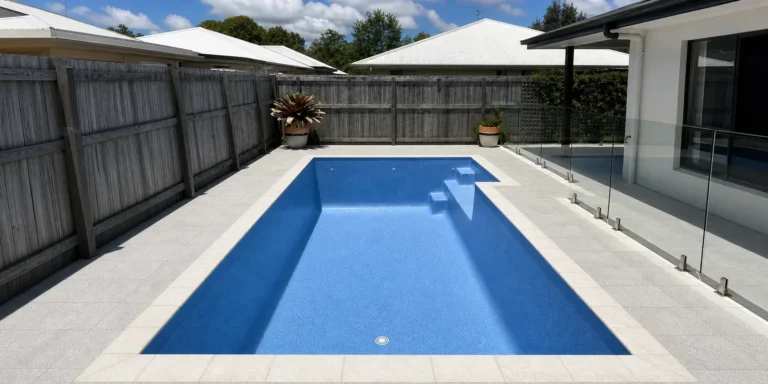
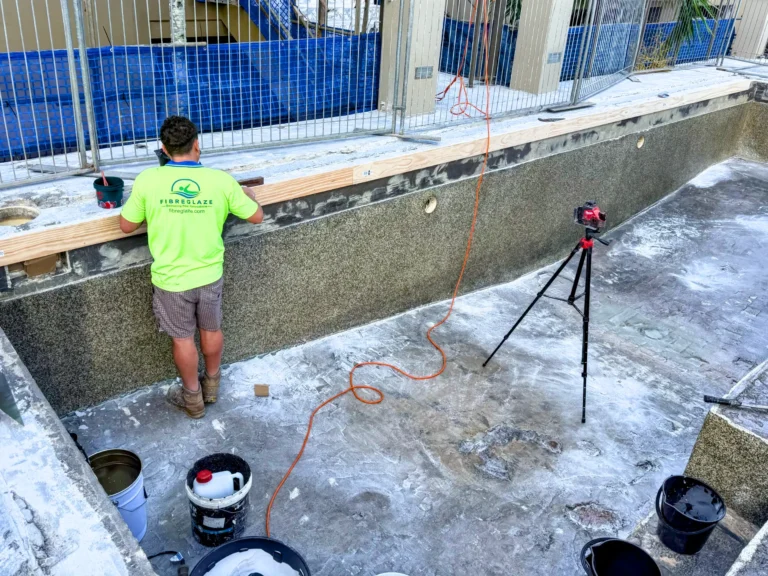
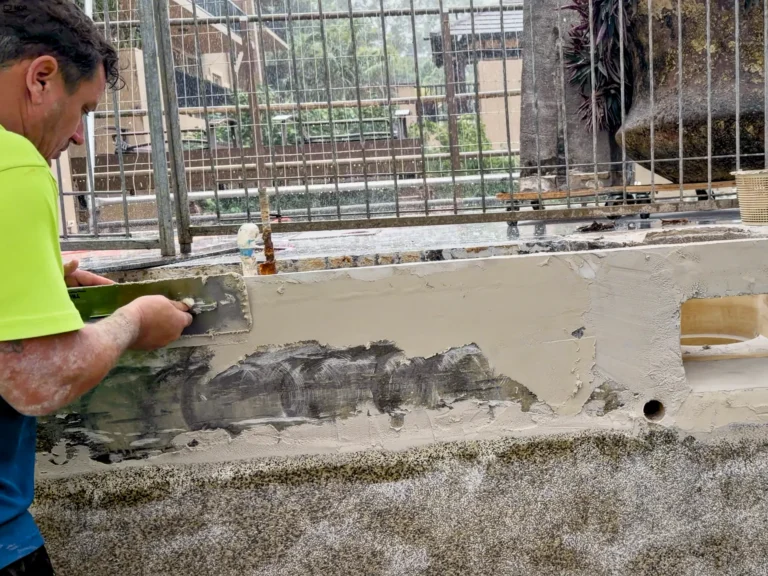
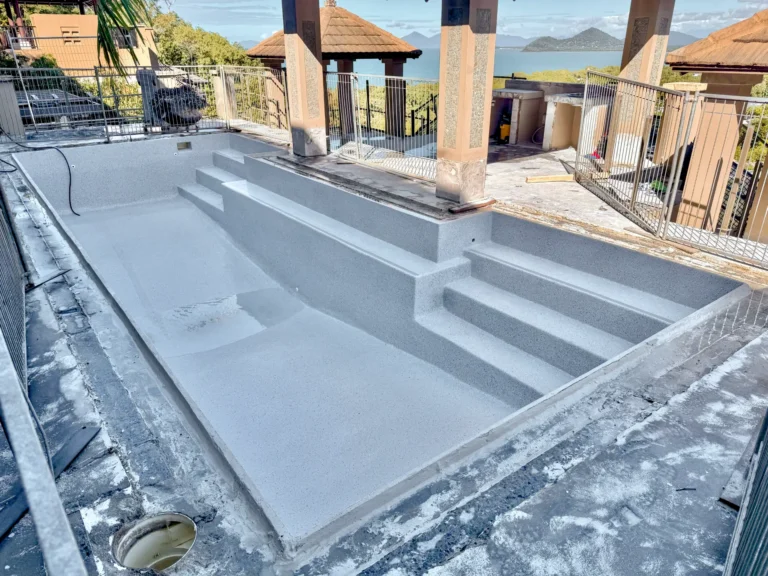
Fibreglaze built up and laser-levelled the top edge to ensure the coping stone finished perfectly. The pool surface was then repairing and resurfaced using the Enduratec system during a five-day work window in June 2026. The mixed substrate was prepared and levelled before a reinforced fibreglass lining and two AquaGuard topcoats were applied in Dove Grey Speckle before the surrounds were completed by specialist contractors.
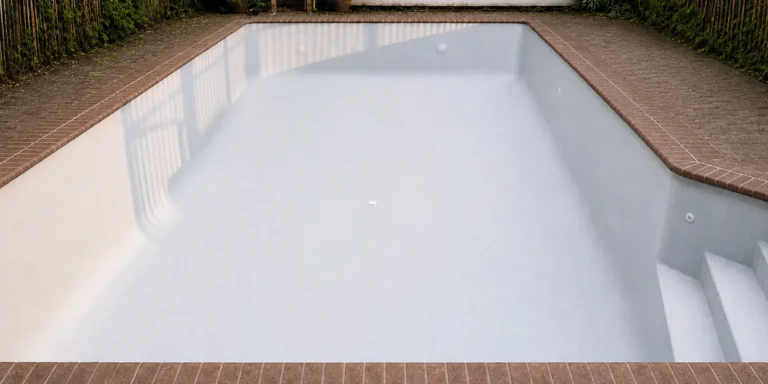
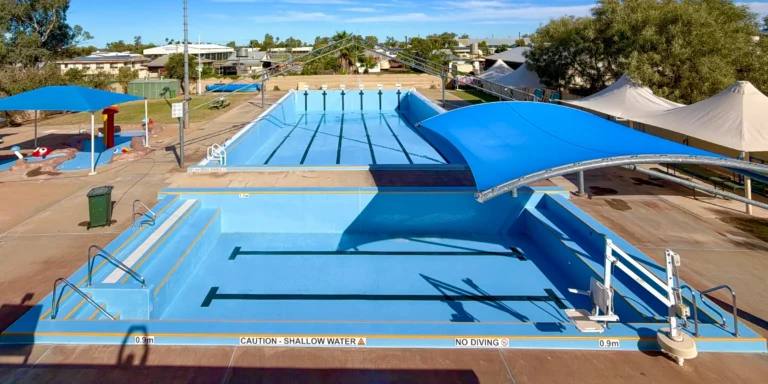
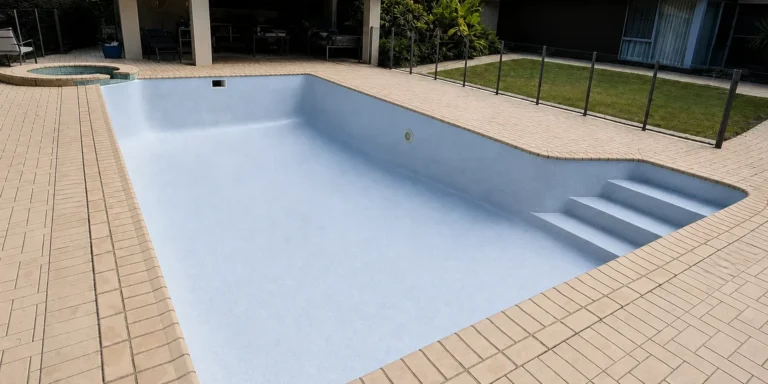
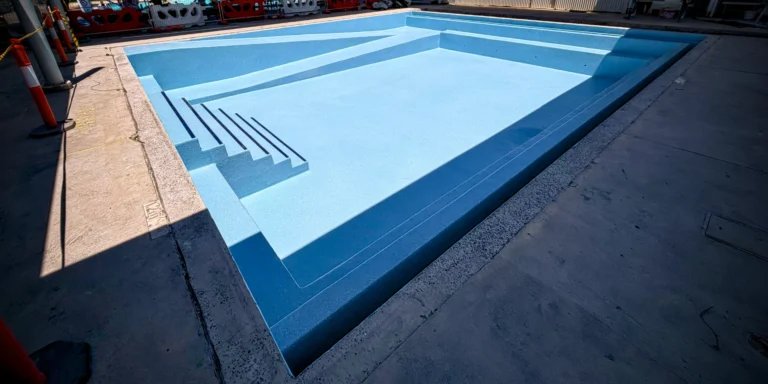
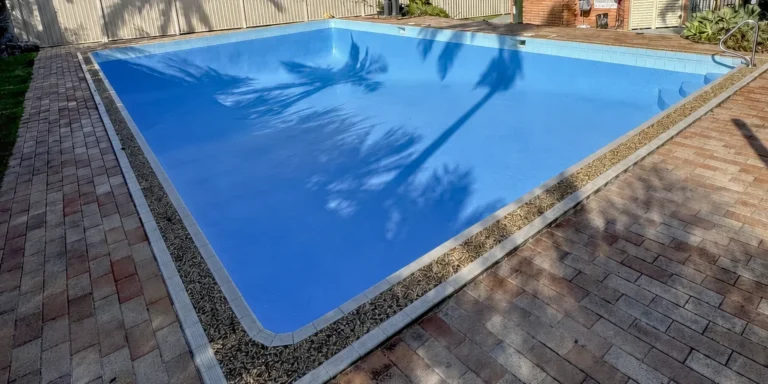
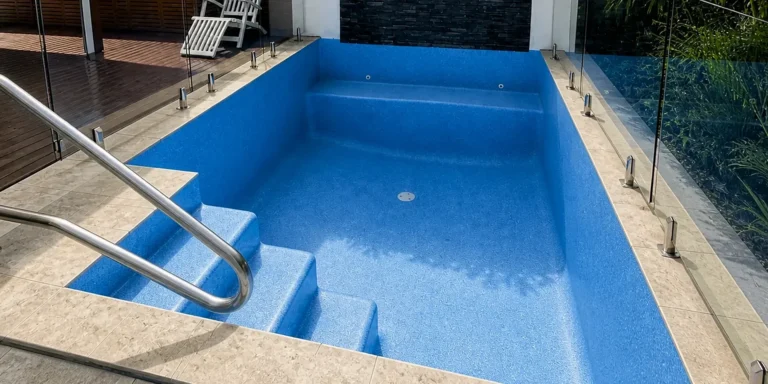
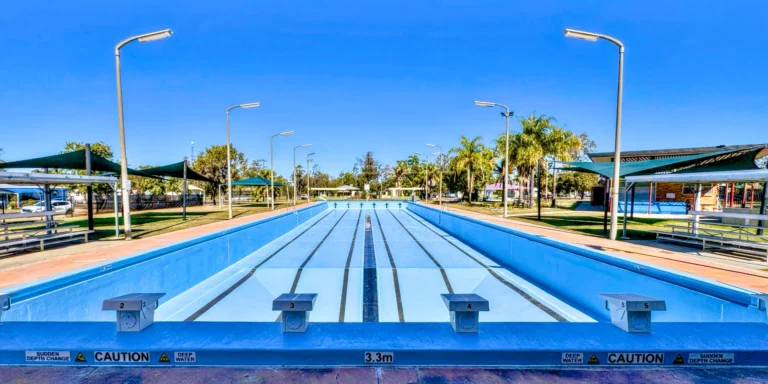
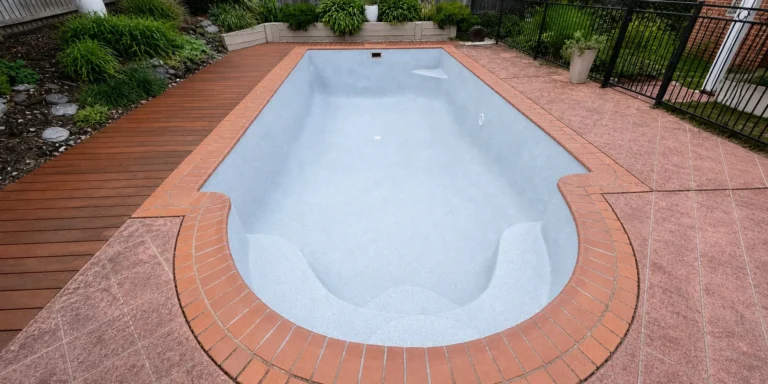
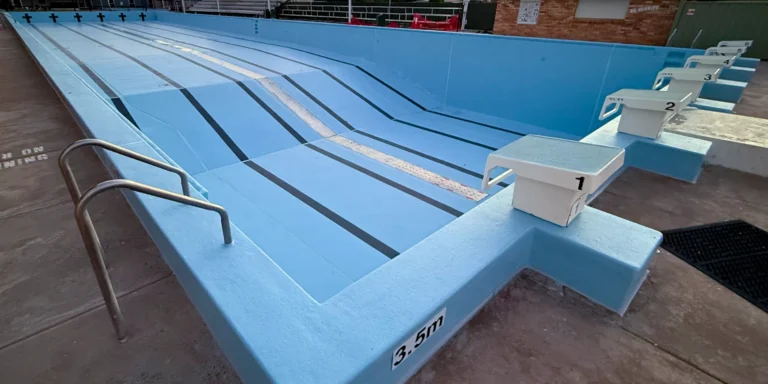
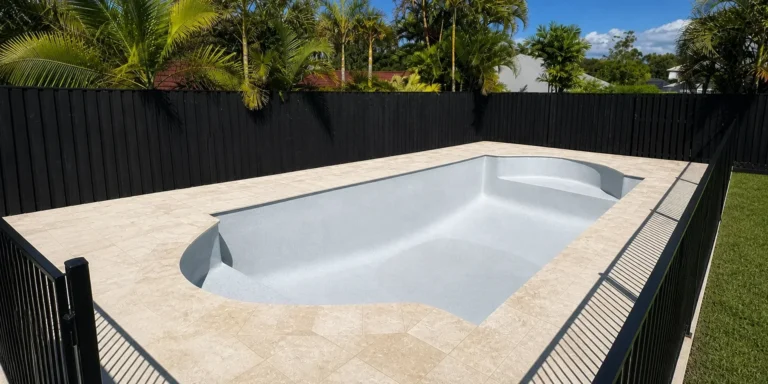
These photographs follow the work from the pool’s original condition through preparation and repair to the completed finish.
These were the main pool conditions recorded for this project. Select an issue to learn more about its common signs, possible causes and repair considerations.
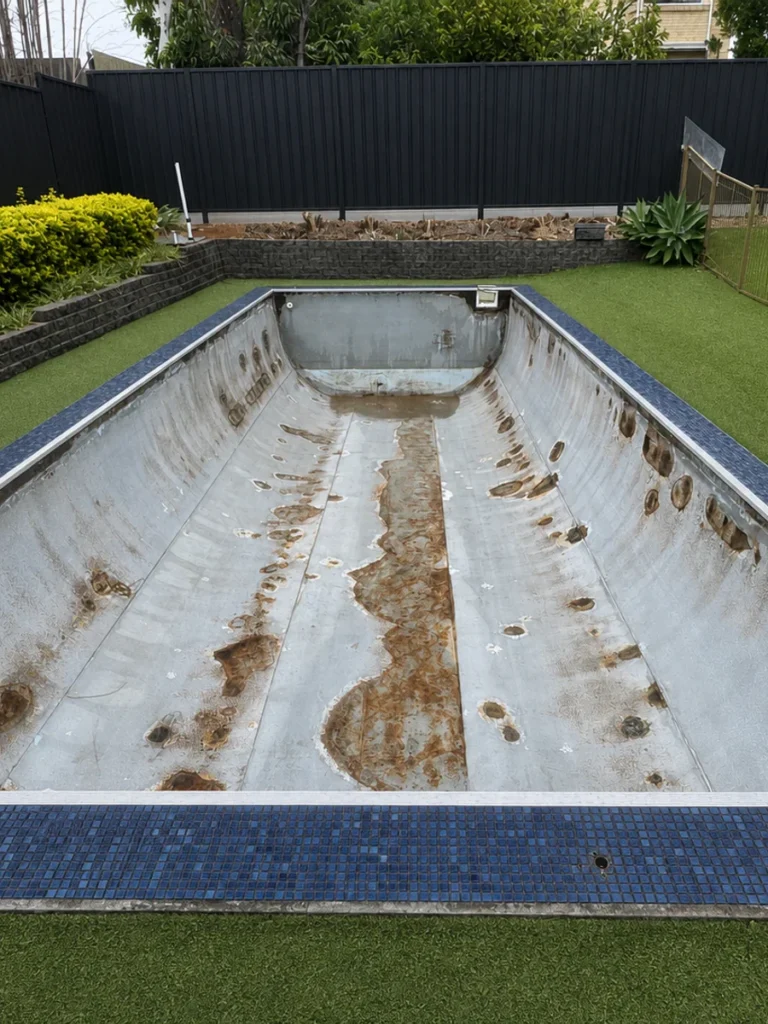
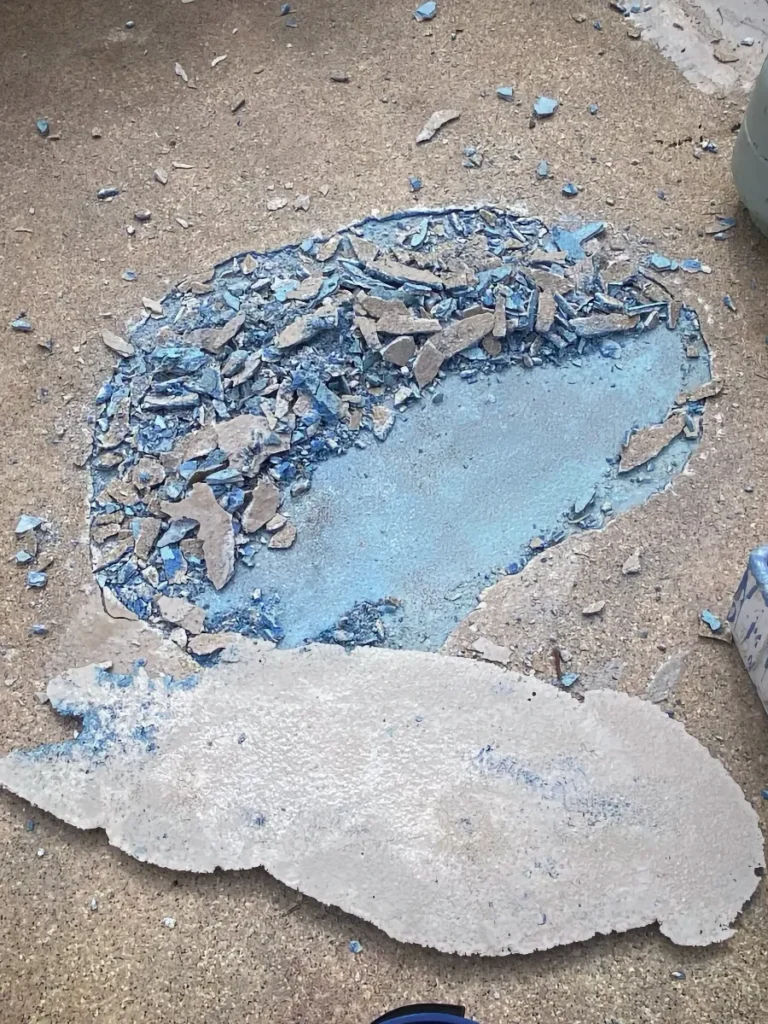
Additional views of the preparation, repair work and completed finish.
They did an amazing job, it looks awesome … It has been a pleasure working with you all, the process has been made quite easy.
Answers to common questions about the pool conditions and restoration work shown in this project.
A 24-hour bucket test can compare pool water loss with normal evaporation. Fill a bucket with pool water, place it securely on a pool step and mark the water level inside the bucket and the pool level outside it. Keep normal circulation running, avoid swimming, backwashing and water features, then compare both levels after 24 hours. If the pool falls noticeably more than the water inside the bucket, a leak is likely. Repeat the test if it rains or the test conditions change.
A pool surface described as hollow or drummy makes a noticeably different sound when lightly tapped because the render, plaster, Pebblecrete, Marblesheen or earlier levelling layer may no longer be fully bonded to the concrete shell. The surface can still look intact, so tapping is only a screening check; it does not show the full boundary or cause. The empty pool should be systematically surveyed, with loose areas opened back to sound material so moisture, cracks, contamination and movement in the substrate can be assessed before resurfacing.
It depends on the source of the leak. If the leak is caused by cracks or deterioration in the pool shell, repairs will form part of the resurfacing work rectifying any associated leaks. Leaks from plumbing, fittings or other components need to be identified separately.
A local repair may be suitable where the hollow area is clearly contained and the surrounding finish remains sound and firmly bonded. If drummy areas are widespread, recurring, soft or connected by cracking, progressive removal may show that a broader section—or the existing finish—needs to be taken back to the concrete shell. The decision is made after the pool is emptied and the surface is tap-tested. Unstable material must not be left beneath a new lining. Where older Marblesheen could contain asbestos, testing and compliant removal planning are required before it is disturbed. The exposed base is then repaired and levelled before resurfacing.
Water loss that increases while the pump is running often points towards the pressure side of the circulation system, such as return plumbing, equipment or a fitting that leaks more under operating pressure. It is a useful diagnostic clue, not a final diagnosis; water can also escape through a waste line or around equipment. Record whether the loss changes with the pump on and off, then have the circulation system and pool shell tested before assuming resurfacing will solve the problem.
Often, provided the existing pebblecrete and the concrete shell beneath it are sound enough to form a stable base. Loose, hollow, deteriorated or contaminated material must be removed, while cracks, previous repairs and uneven areas are treated before the new lining is installed.
Firmly bonded pebblecrete is mechanically prepared, levelled where required and primed before the reinforced fibreglass system is applied. The final scope can only be confirmed after the pool is emptied and the exposed surface is inspected; the new surface is not simply a coating applied over untreated pebblecrete.
Send us a few photos and our team can help identify the likely issue and the most suitable next step.