Finish :
Pool Type :
Location :
Size :
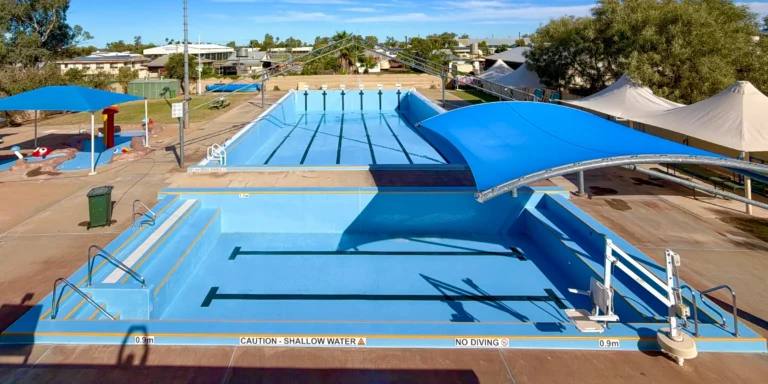
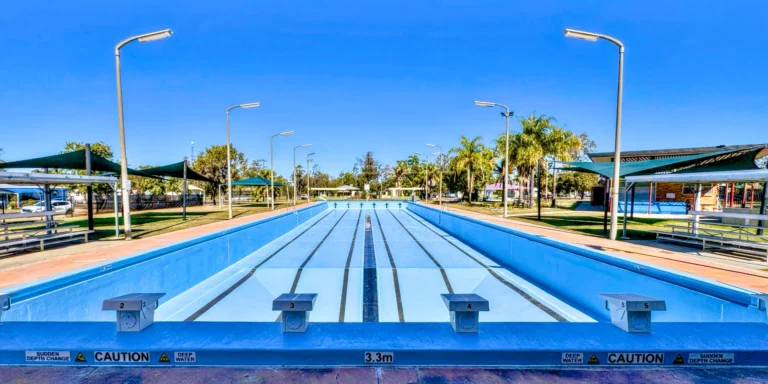
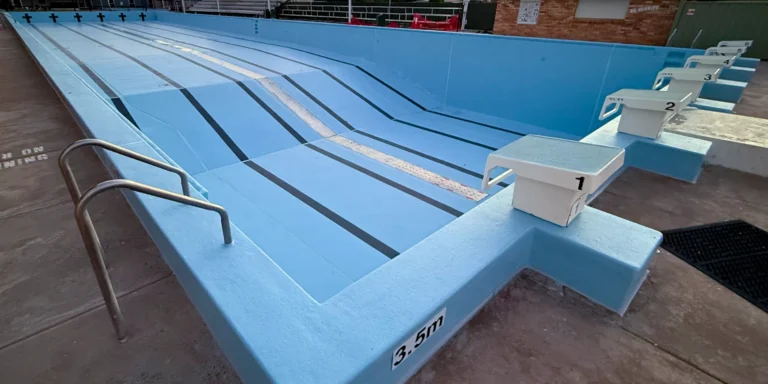
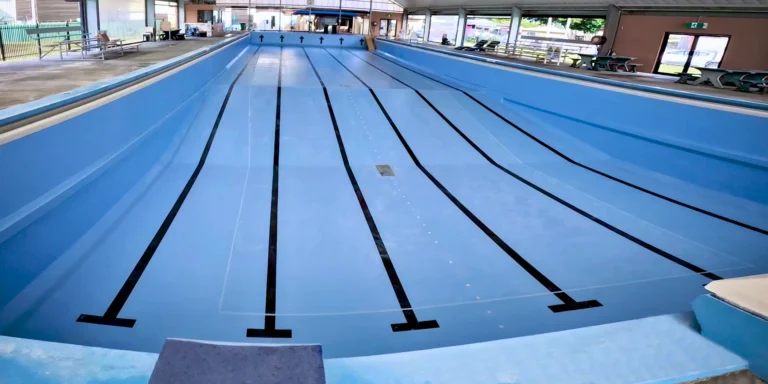
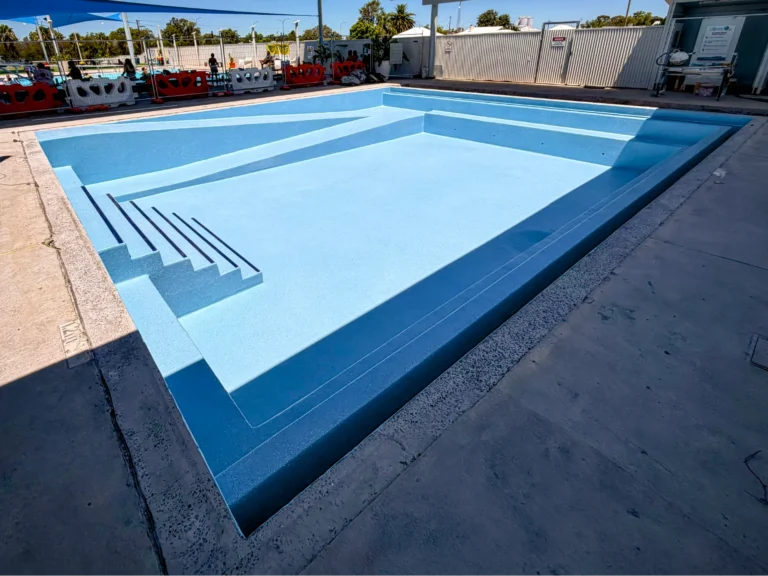
Moree Plains Shire Council engaged Fibreglaze to resurface the active and passive artesian pools at the Moree Artesian Aquatic Centre. Together, the two concrete pools included approximately 415 m² of floors, walls, benches, steps, ramp and perimeter gutters.
The work was staged over separate one-week visits in December 2025 and January 2026. Each substrate was ground and levelled before a fibreglass laminate and two AquaGuard topcoats were applied, finished in Lagoon Blue Speckle with a non-slip treatment and contrasting tread indicator lines.
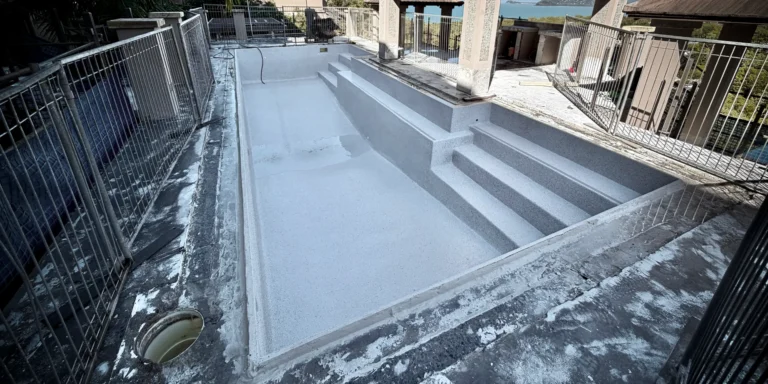
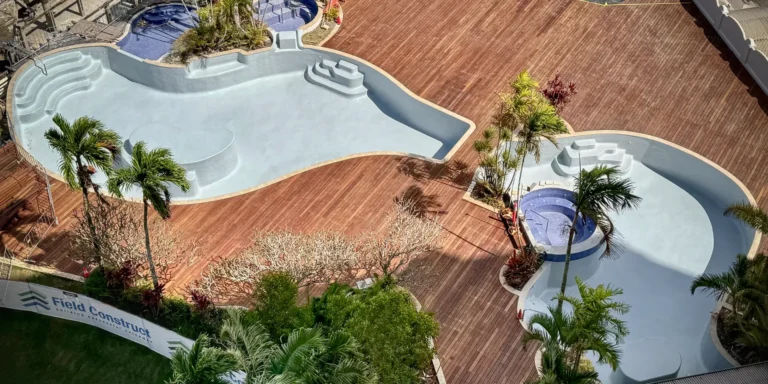
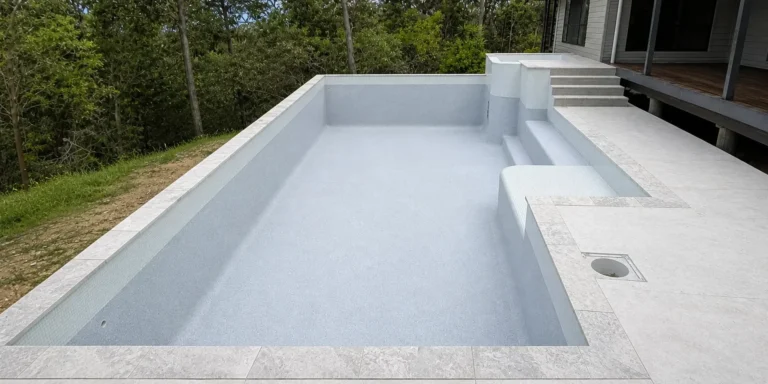
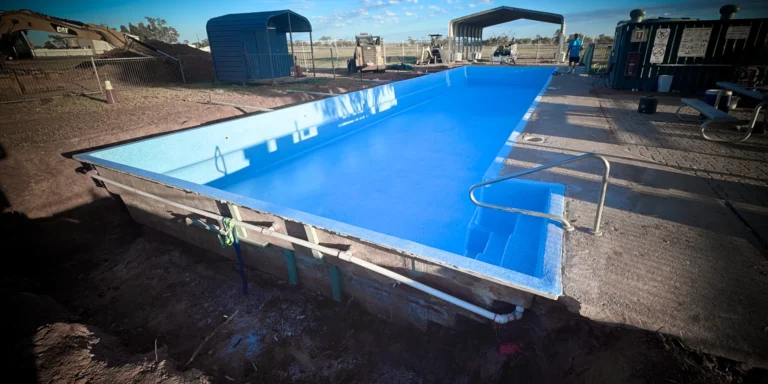
These photographs follow the work from the pool’s original condition through preparation and repair to the completed finish.
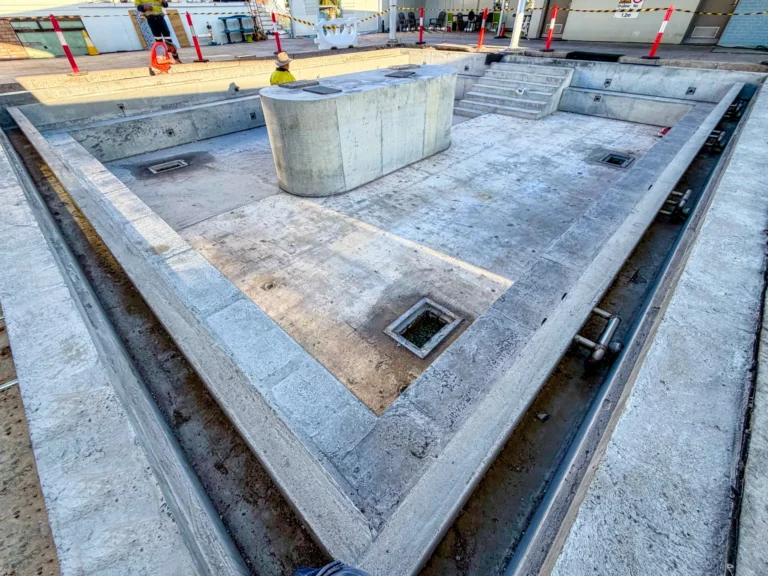
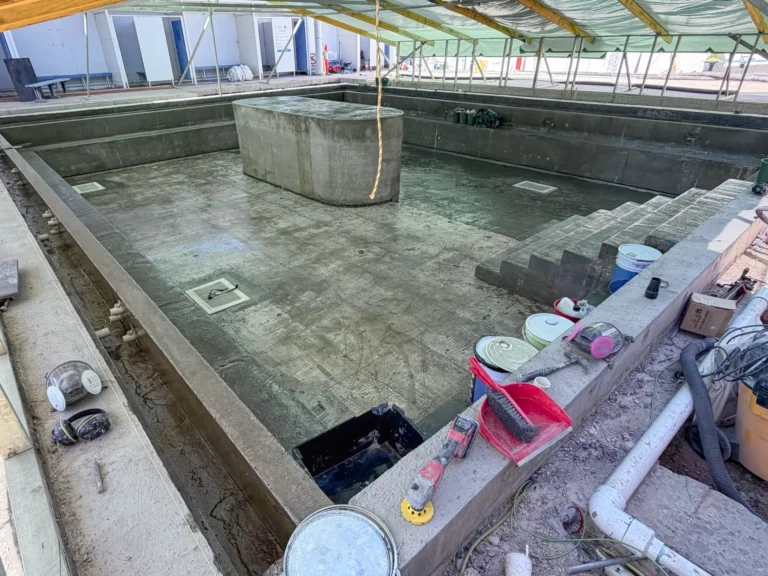
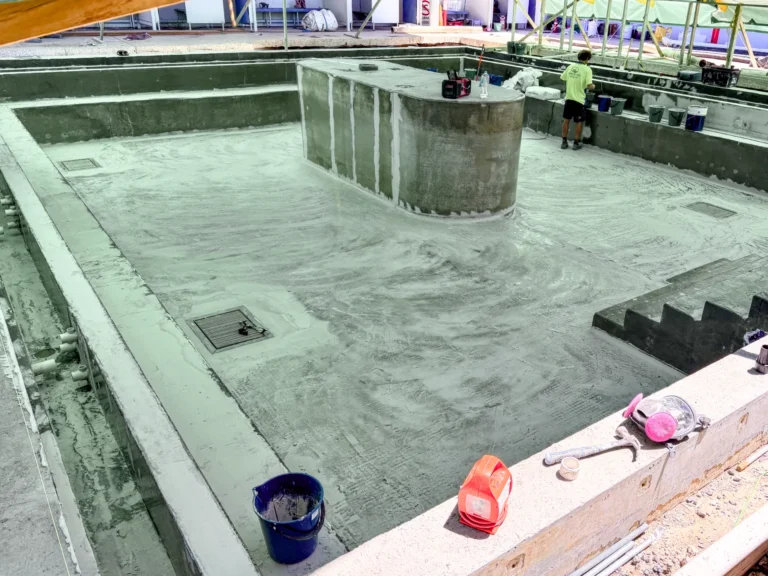
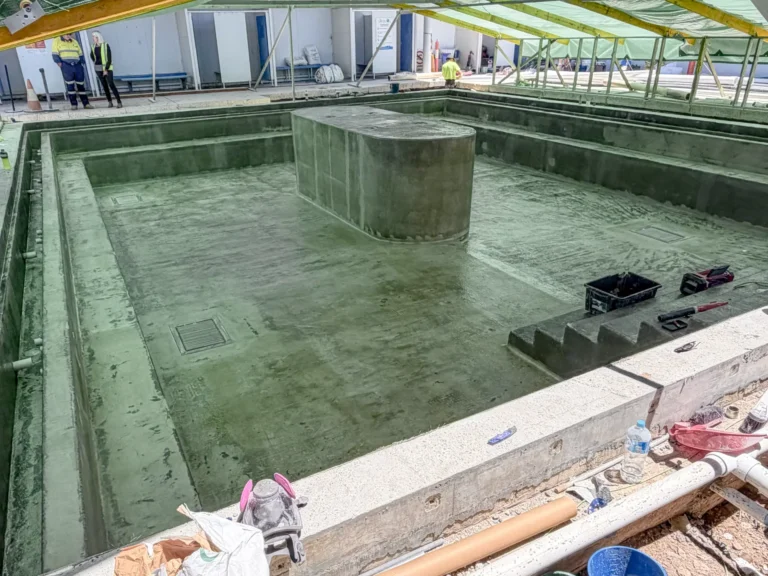
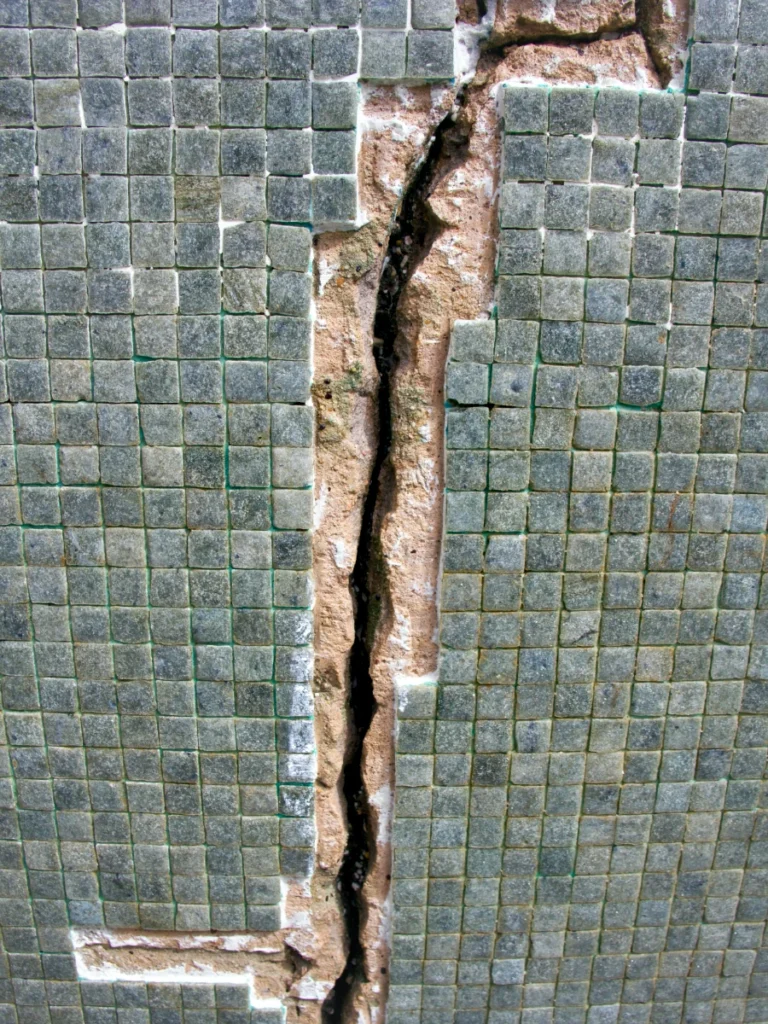
These were the main pool conditions recorded for this project. Select an issue to learn more about its common signs, possible causes and repair considerations.
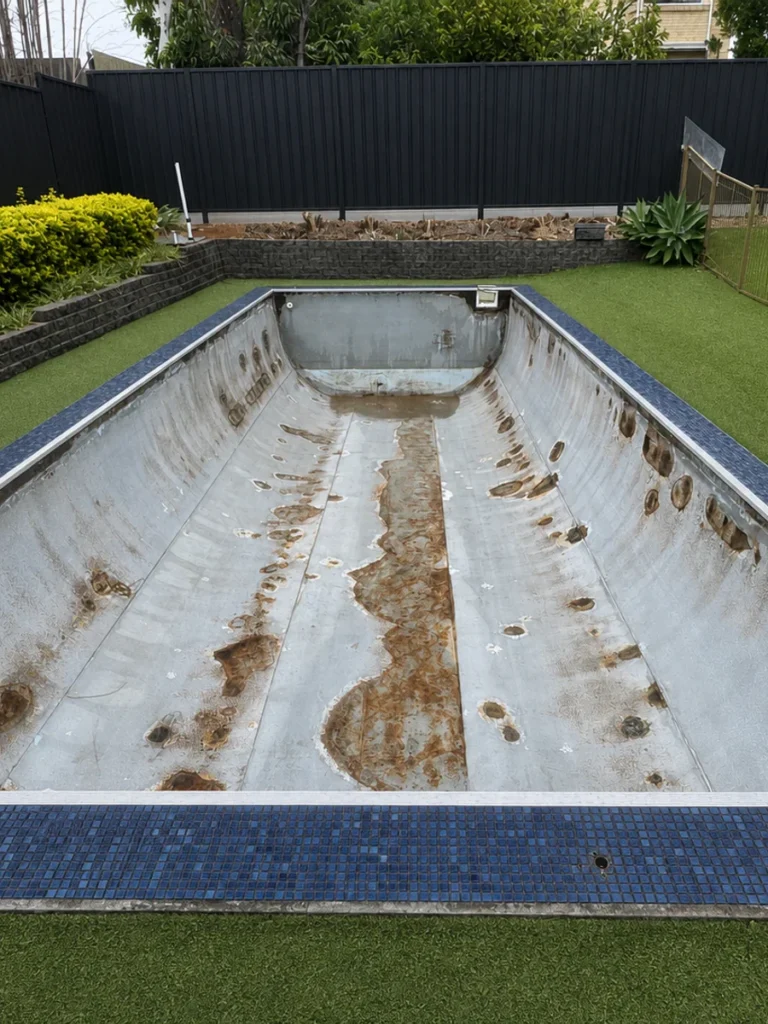
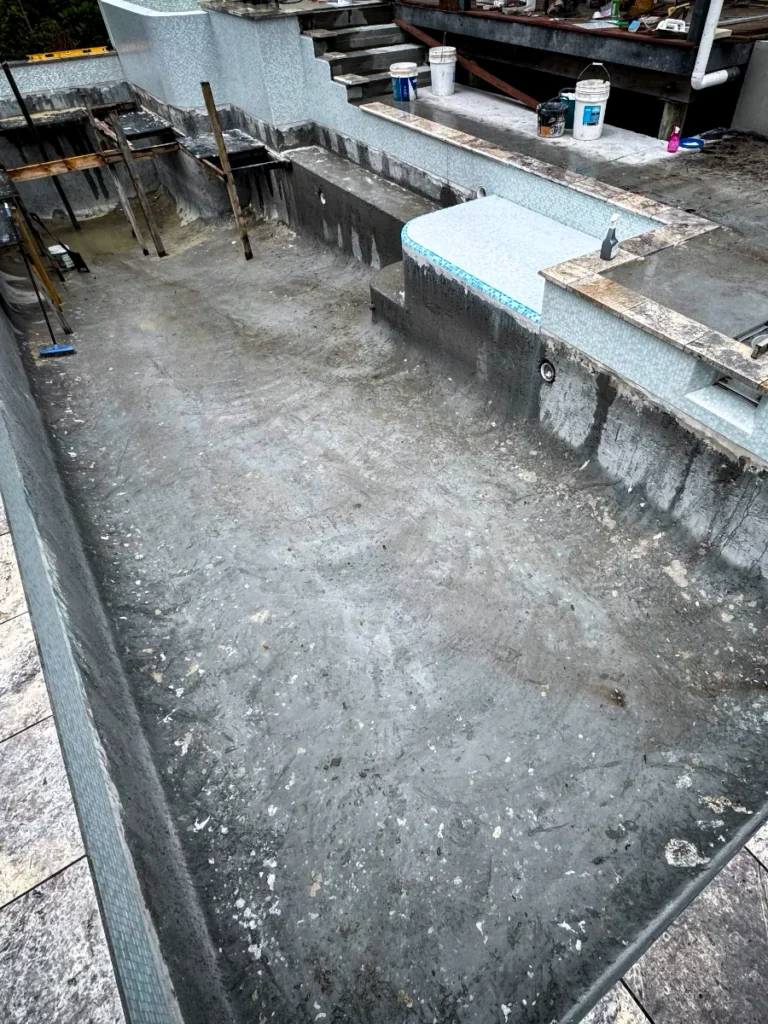
Additional views of the preparation, repair work and completed finish.
Answers to common questions about the pool conditions and restoration work shown in this project.
A 24-hour bucket test can compare pool water loss with normal evaporation. Fill a bucket with pool water, place it securely on a pool step and mark the water level inside the bucket and the pool level outside it. Keep normal circulation running, avoid swimming, backwashing and water features, then compare both levels after 24 hours. If the pool falls noticeably more than the water inside the bucket, a leak is likely. Repeat the test if it rains or the test conditions change.
A fine hairline crack is not automatically structural, but its width alone does not determine the risk. Location, depth, direction, displacement, moisture, surrounding soundness and whether it is growing are all important. Fine crazing may be limited to the surface, while a crack through the shell can admit water or indicate movement. Photograph and mark the crack so changes can be monitored, and arrange an assessment if it is widening, leaking, recurring through repairs or associated with movement.
Age alone does not confirm readiness. The concrete needs to meet the pool design and lining-system requirements, with moisture, curing, laitance, cracks, penetrations, joints and surface tolerances assessed before work begins. Weak, contaminated or excessively damp areas can affect the bond of an applied finish. Fibreglaze should coordinate with the pool builder or designer to confirm the shell is released for surfacing, then mechanically prepare and test the actual substrate rather than relying only on a nominal cure date.
Ongoing water loss, damp ground, staining, water movement at the crack or a bucket test that confirms abnormal loss can indicate leakage, although the actual source may be elsewhere. Structural concern increases where the crack is displaced, widening, repeated through an earlier repair or accompanied by settlement, bowed walls or movement at steps and fittings. Neither condition can be confirmed from a photograph alone. Leak testing and inspection of the surrounding shell are used to determine whether lining repair, plumbing work or structural investigation is required.
It depends on the source of the leak. If the leak is caused by cracks or deterioration in the pool shell, repairs will form part of the resurfacing work rectifying any associated leaks. Leaks from plumbing, fittings or other components need to be identified separately.
Yes. A purpose-built fibreglass lining can be installed over a suitably cured and prepared concrete pool shell. The concrete structure remains in place and the reinforced lining is formed on site to follow its shape, steps and details. The shell must first be assessed for moisture, laitance, cracking, penetrations, construction joints and surface irregularities. Defects and active movement details are treated before the fully bonded lining and selected colour finish are installed.
Send us a few photos and our team can help identify the likely issue and the most suitable next step.