Worn or Faded Pool Surface

Worn or Faded Pool Surface

A faded, chalky or worn pool surface can become rough, porous and harder to keep clean. The condition should be assessed before resurfacing so weak material is removed and underlying defects are repaired.
Wearing & Fading

What this pool problem can look like

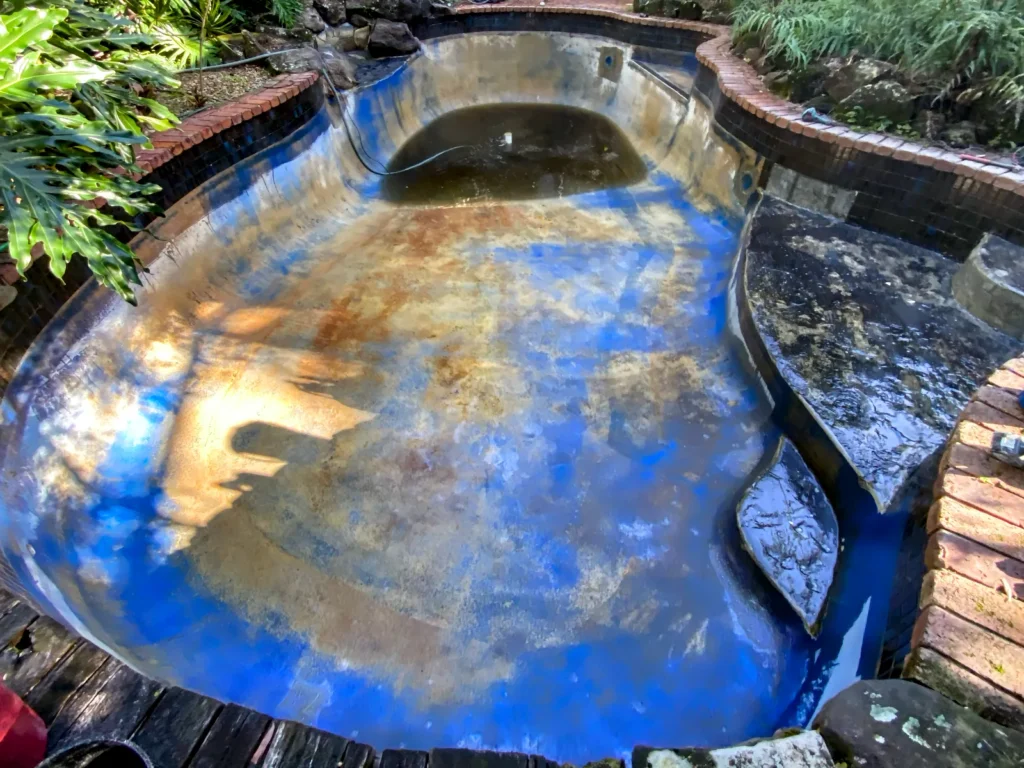
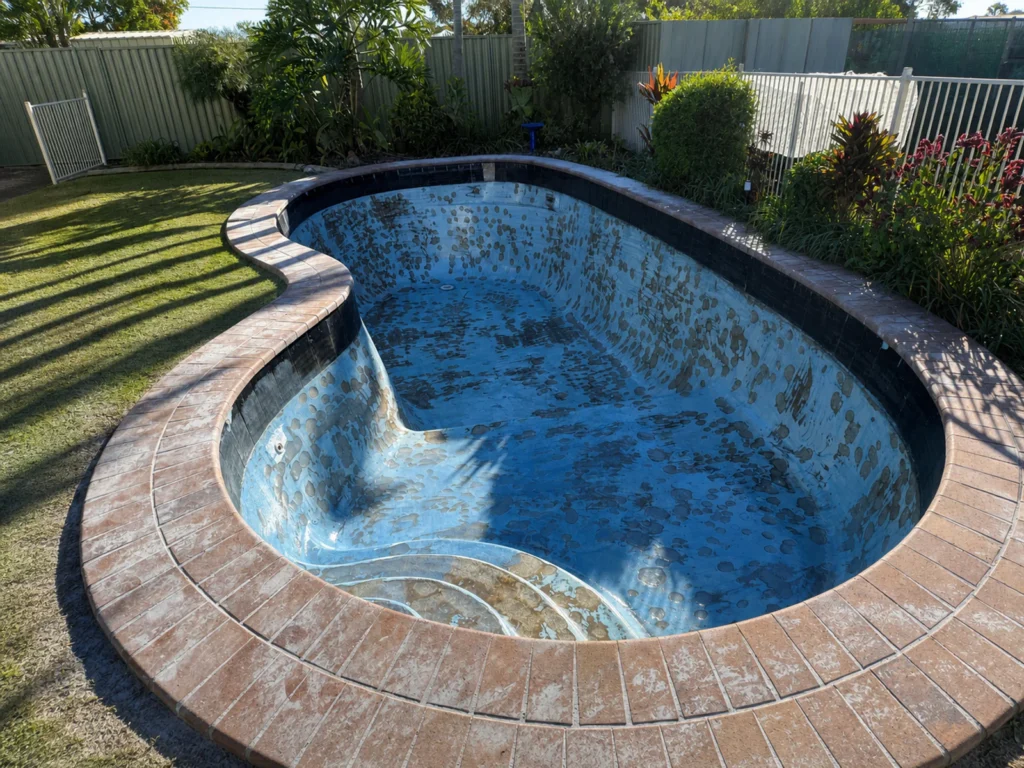
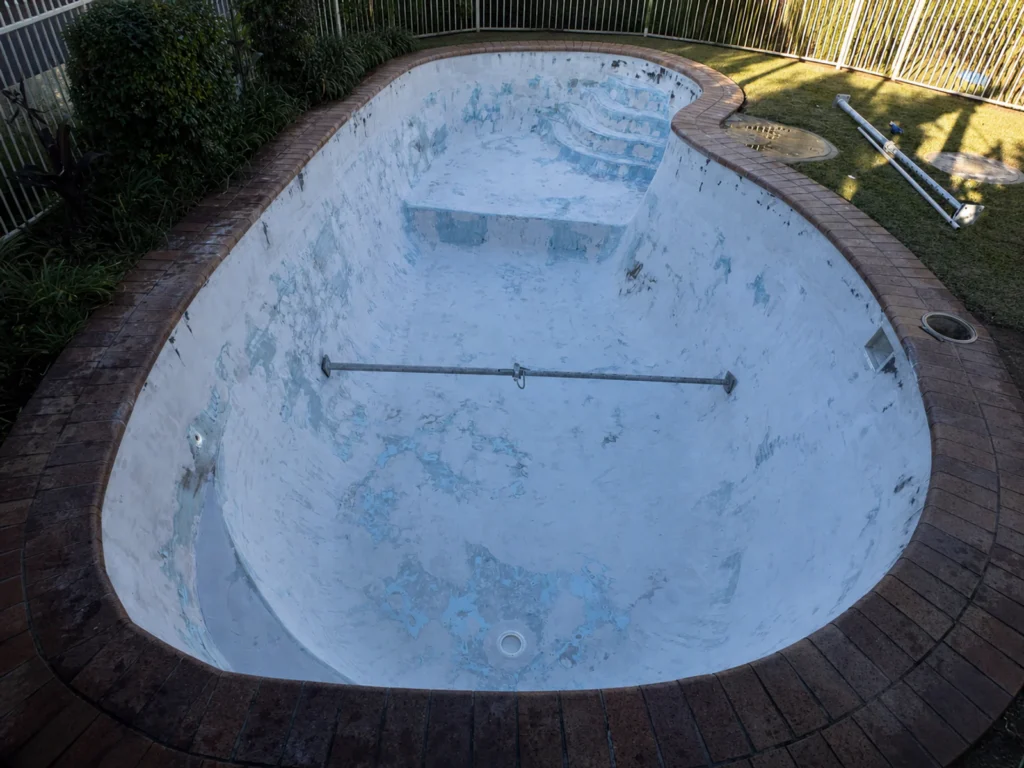
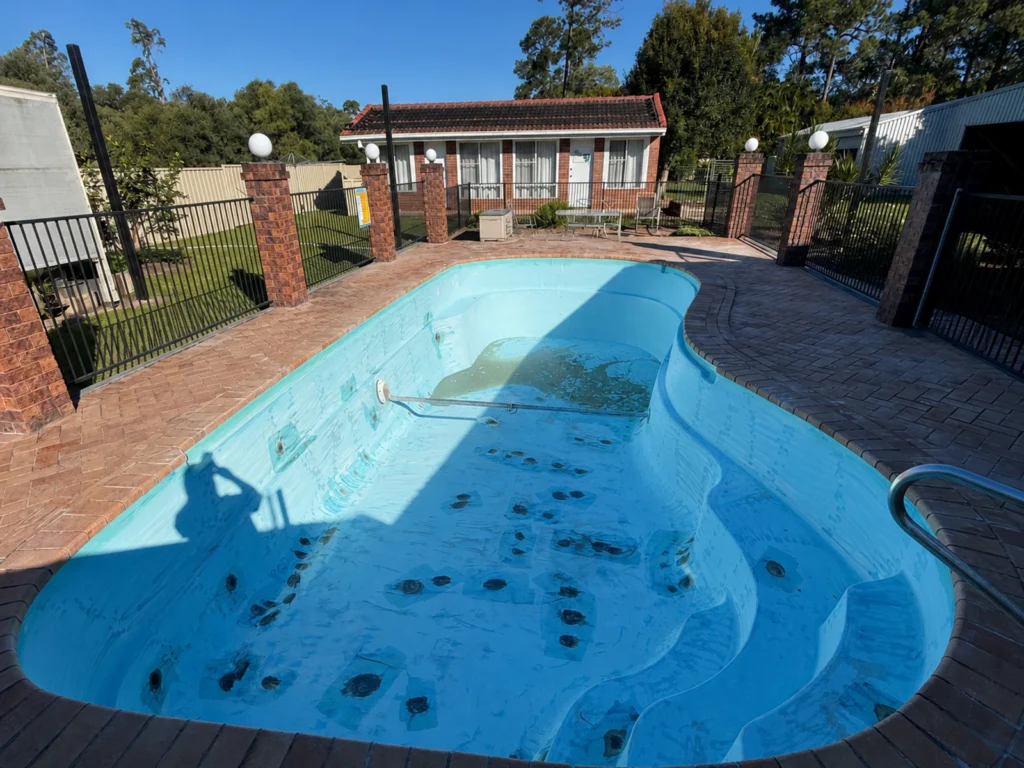
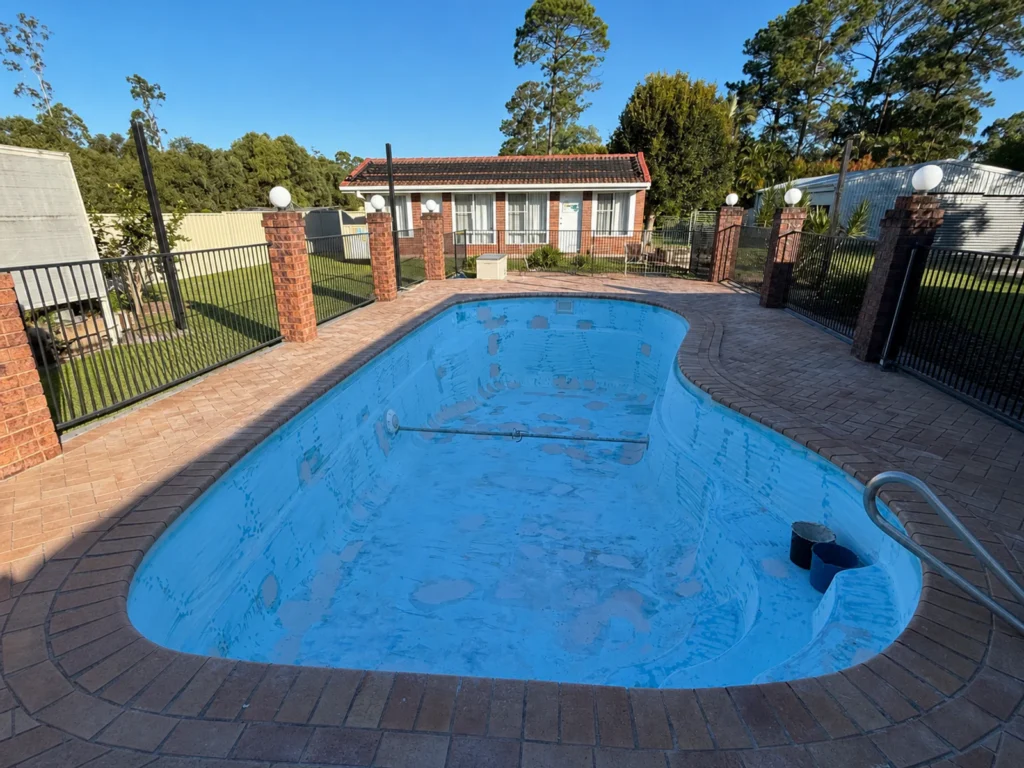
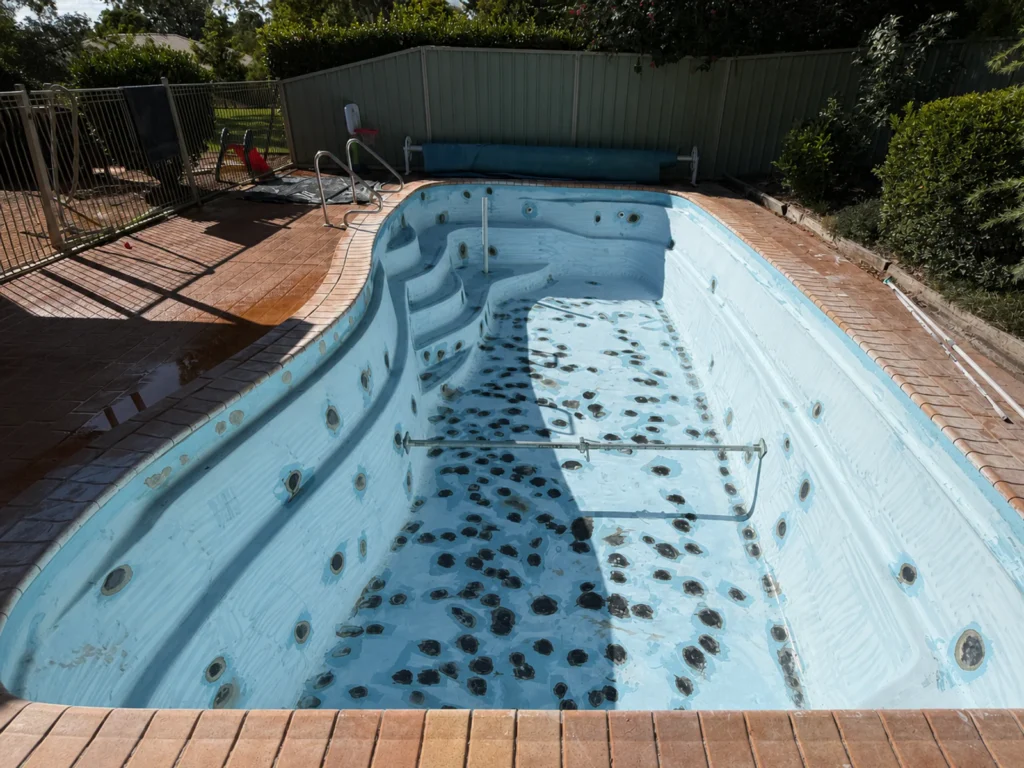
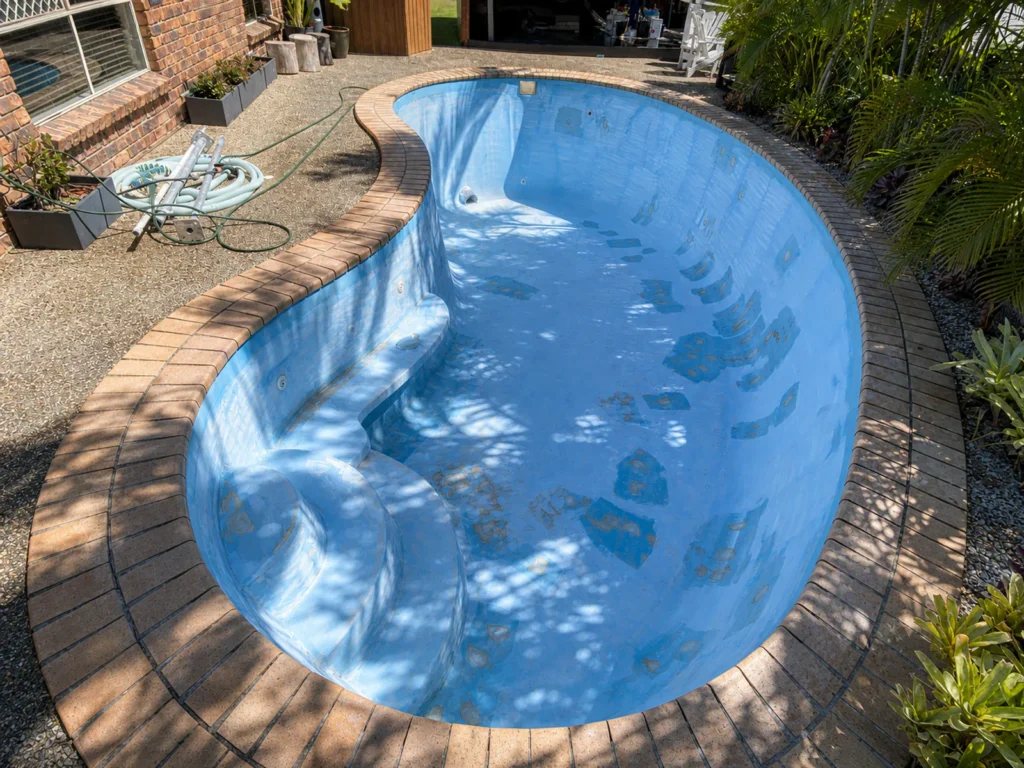
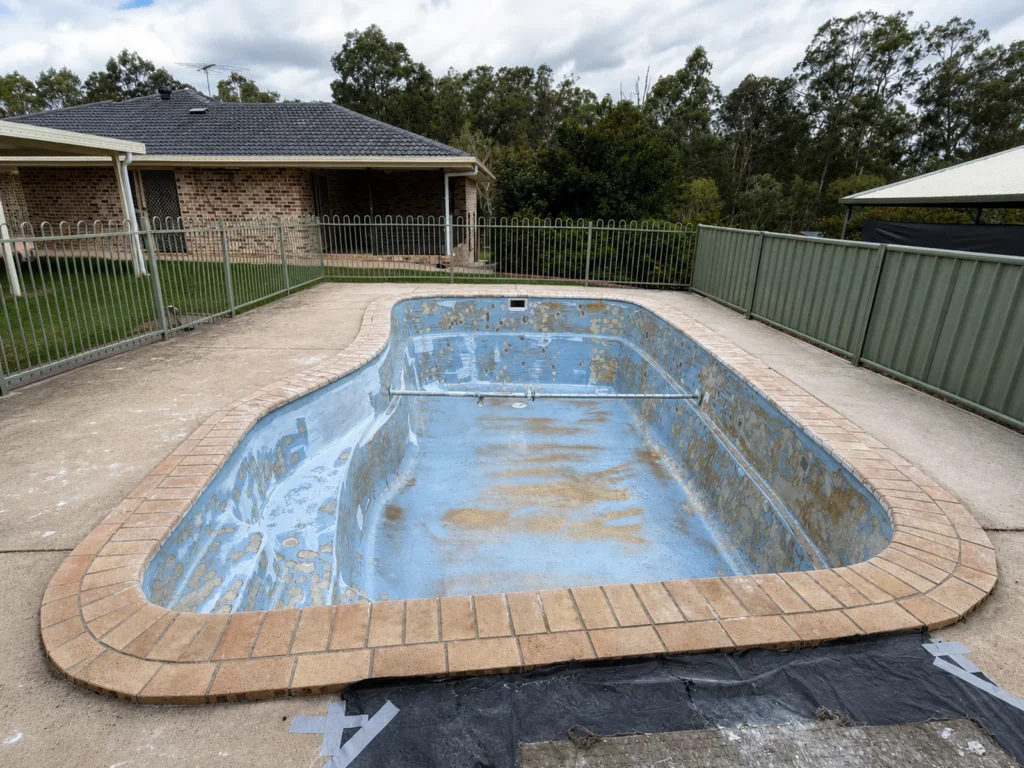
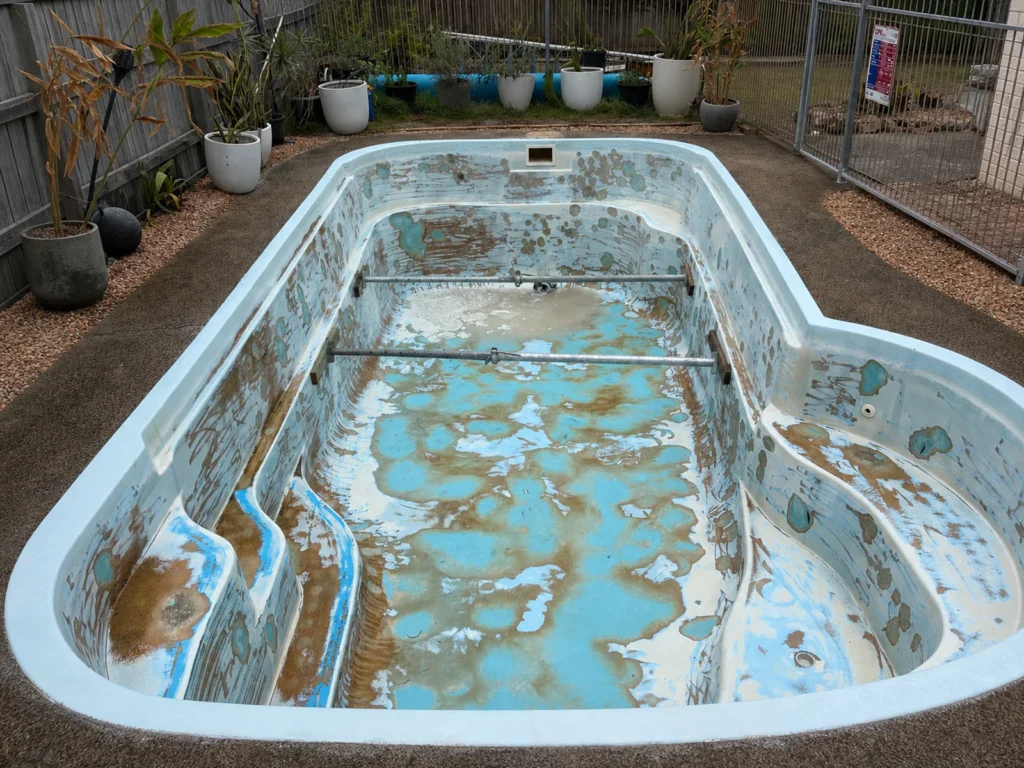
A worn or faded pool may look pale, chalky or uneven in colour, with areas that feel rough underfoot or hold dirt and algae. Older coatings can develop thin spots, peeling edges or visible previous repairs. On fibreglass shells, prolonged surface deterioration may leave the underlying laminate less protected from water and chemicals.

Applying another cosmetic coat over an oxidised or poorly bonded surface does not correct the weak layer beneath it. A lasting restoration depends on removing unsound material, identifying cracks, blisters, soft spots or rust staining, and preparing the complete pool so the new system can bond to a stable substrate.

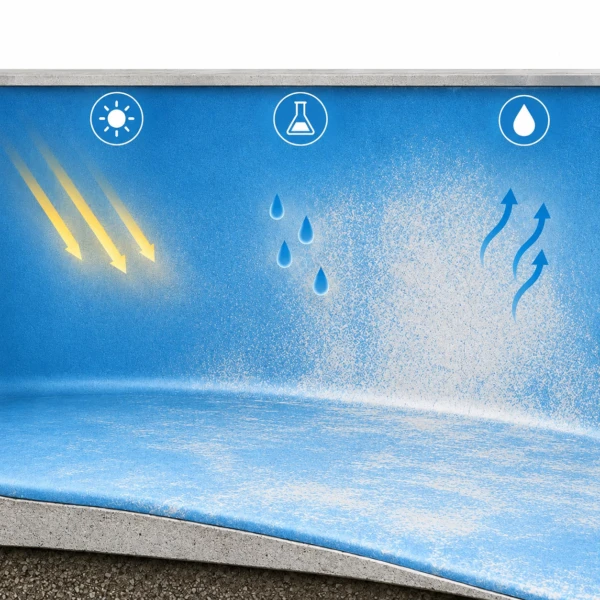
What we assess

The extent and location of the visible problem

The condition of the surrounding pool surface

Likely causes and the most suitable repair approach

CAUSE AND REPAIR

Why this happens and what repair involves

Why does this happen?

Pool surfaces gradually lose colour and gloss through age, ultraviolet exposure, sanitising chemicals and repeated abrasion. Paint can chalk, peel or flake, while an ageing fibreglass gelcoat may oxidise and become powdery or porous. Persistently aggressive or poorly balanced water can accelerate this deterioration.

Fading alone may initially be cosmetic. When the surface is rough, patchy, porous or exposing the laminate beneath, it indicates more significant surface breakdown. Scale and mineral staining can look similar, so the pool should be inspected before the cause and repair approach are confirmed.

Can this be repaired?

Fibreglaze restores the complete pool surface rather than concealing isolated faded areas. Oxidised fibreglass is mechanically ground, while unsuitable paint or weak cement-based material may require more extensive removal and levelling.

Defects are repaired and uneven areas are resin-screeded before the Fibreglaze Enduratec System is applied. This creates a smooth, continuous fibreglass interior with a new colour finish designed for permanent immersion. The final specification is adjusted to the condition and construction of each pool.

During Repair

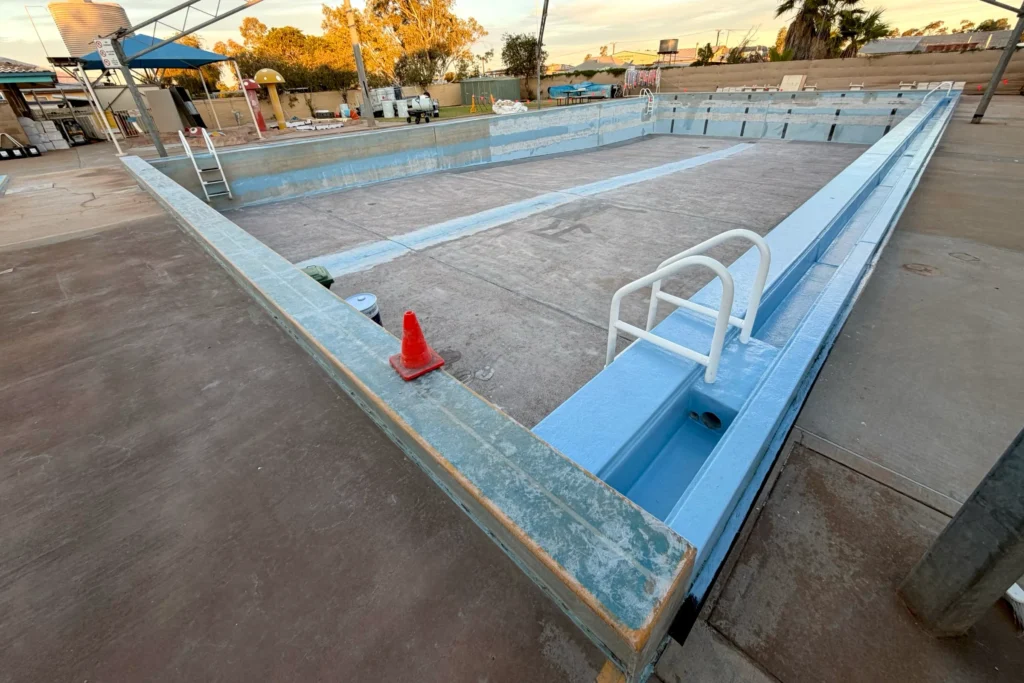
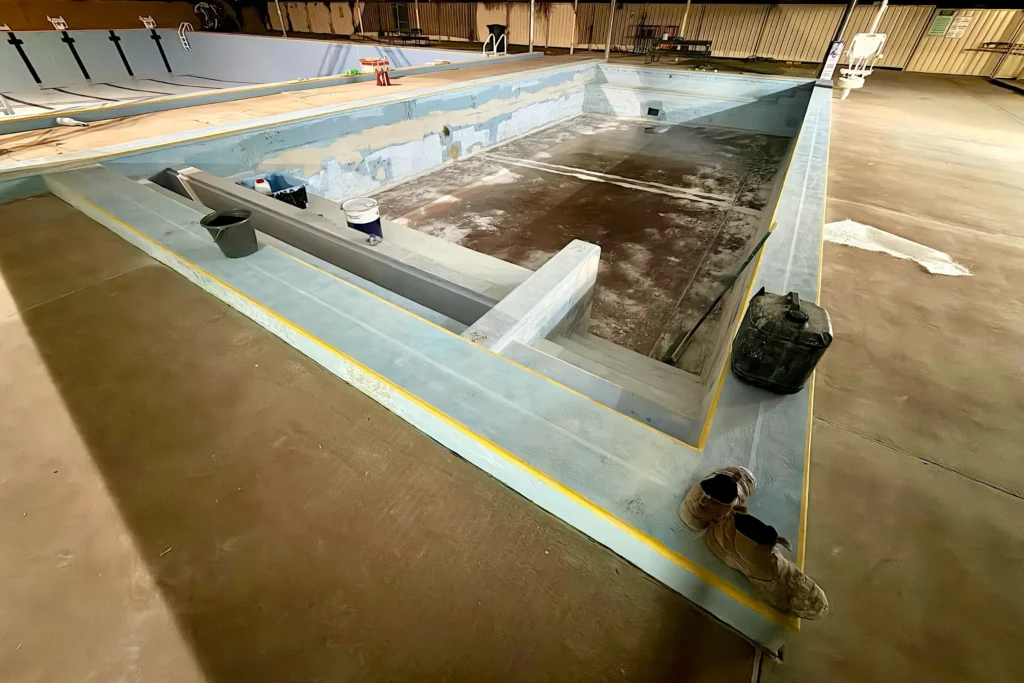
See the repair work in progress

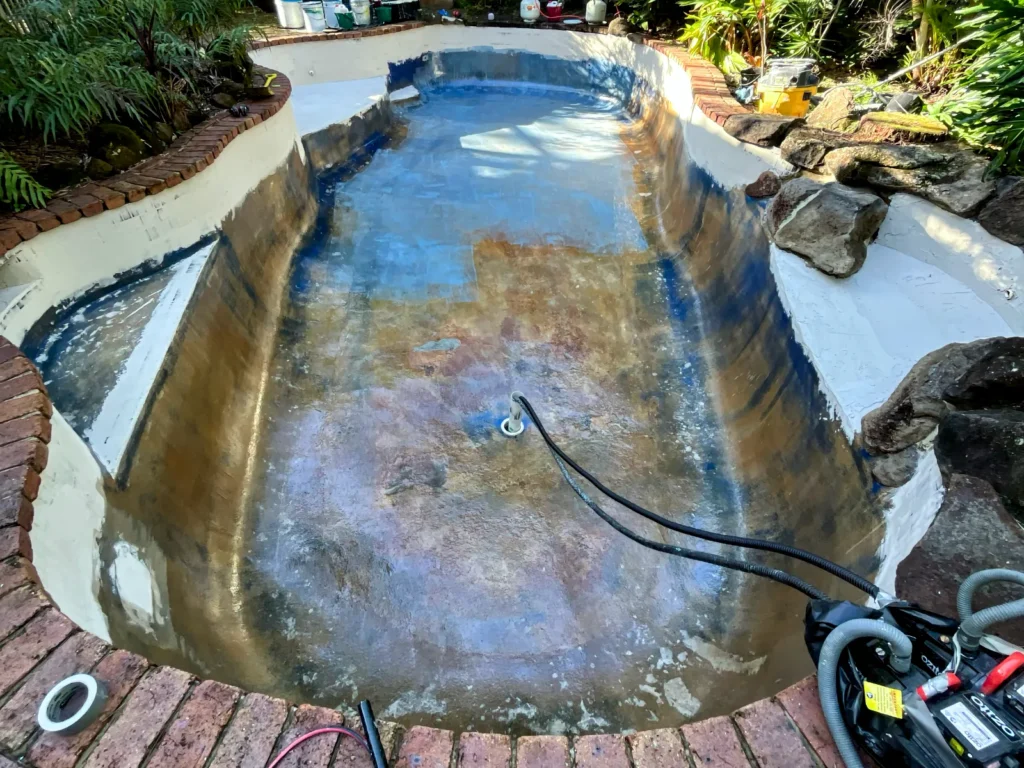
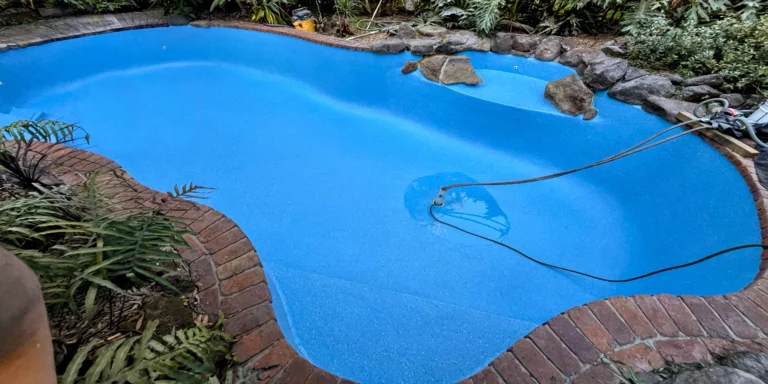
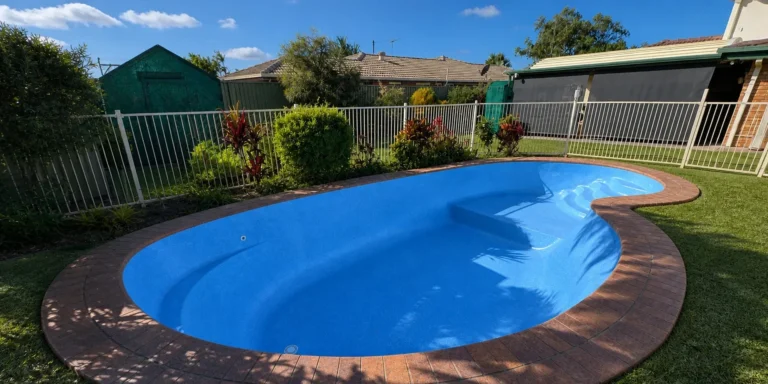
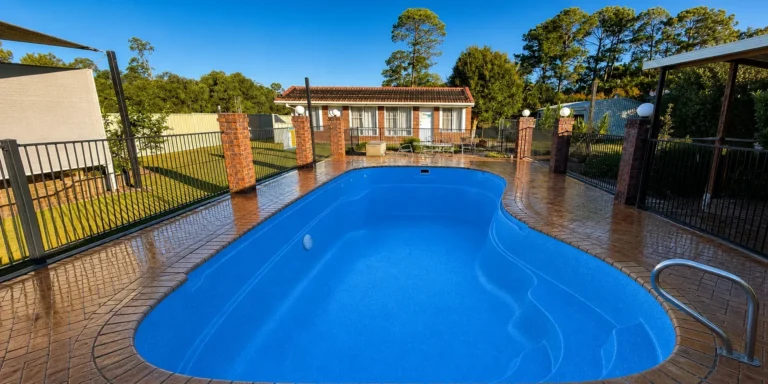
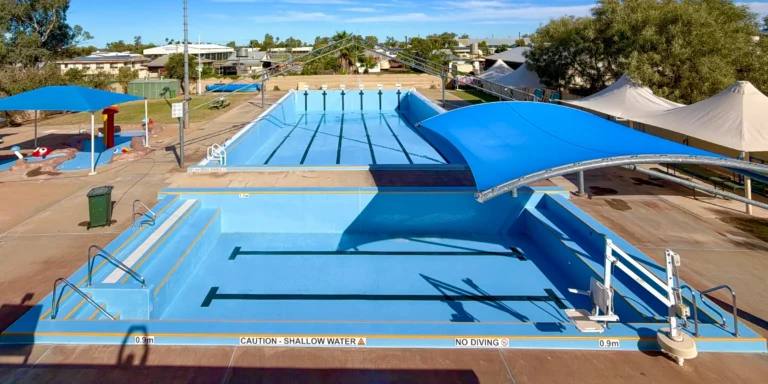
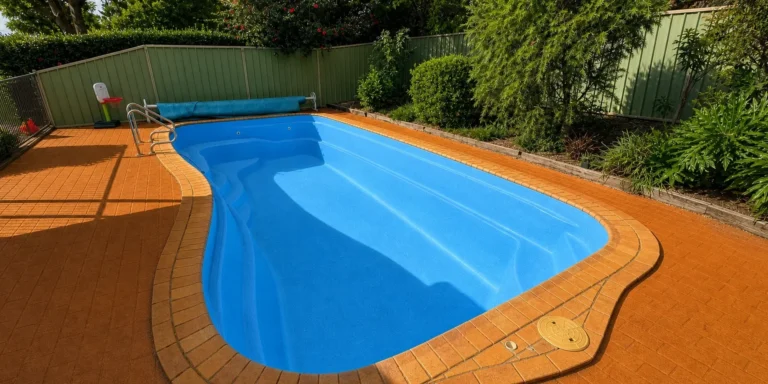
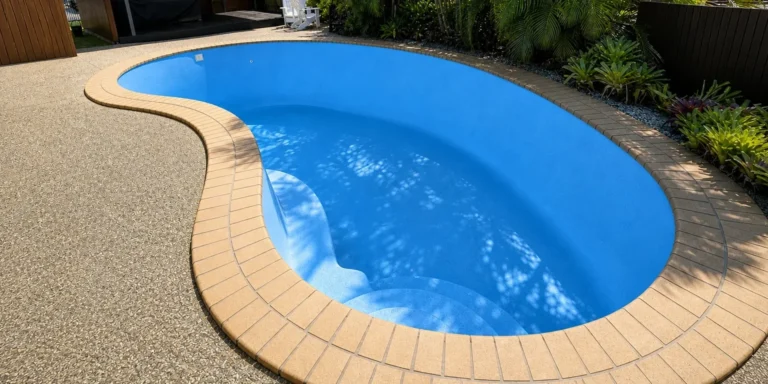
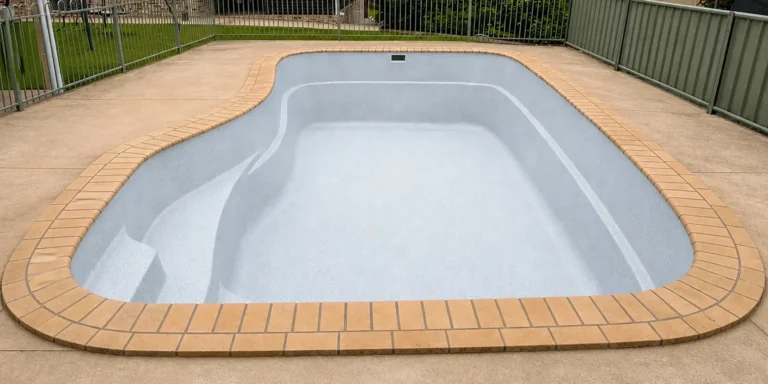
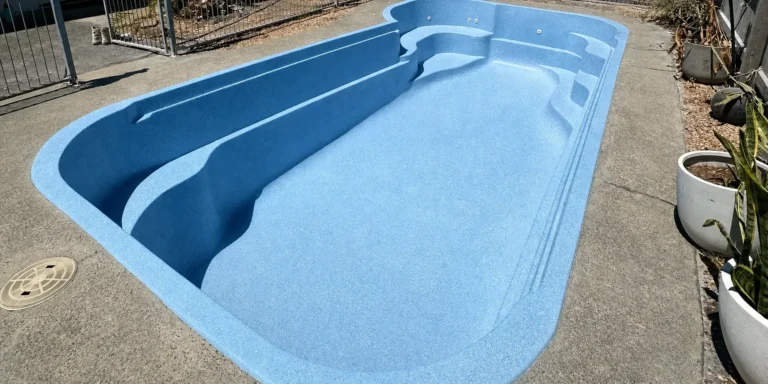
These photographs show preparation and repair stages from projects involving this pool problem. The exact approach is confirmed after inspection and once the pool has been emptied and the shell condition is exposed.

Our Repair Process

How we assess, repair and resurface the pool

Every pool is assessed individually, and the precise repair depends on the shell, substrate and site conditions. Where repair is suitable, the work generally follows five stages—from confirming the scope through to the reinforced lining, finish and handover.

1

Assess and plan

We review the pool details and photographs and arrange a site inspection where required. Fading, oxidation, chalking, roughness and visible coating failure are assessed. Once the pool is empty, the bond and condition of the existing finish and underlying shell can be checked and the final scope confirmed.

2

Prepare the existing surface

The existing finish, shell condition and groundwater risk are assessed before controlled emptying. Loose, oxidised or poorly bonded material is removed, and the pool is cleaned and mechanically prepared. This reveals cracks, soft areas, delamination and previous repairs that require attention before the new lining is installed.

3

Repair and level

Surface defects, low areas and irregular transitions revealed during preparation are repaired and levelled to restore a smooth, consistent profile. Once cured, treated sections are blended into the surrounding substrate, creating a stable base for the complete reinforced fibreglass lining.

4

Install the reinforced lining

A reinforced fibreglass lining is applied across the prepared shell to form one continuous system rather than another surface-only coating. Additional reinforcement is incorporated over repaired or weakened areas where required. The completed lining creates an even foundation for the selected AquaGuard colour and surface coats.

5

Finish and handover

Two UV-stabilised AquaGuard top coats are applied in the selected colour, followed by the chosen speckle finish. Once cured, the completed surface is inspected, applicable fittings are refitted and the hydrostatic valve is replaced where required. Guidance is then provided for refilling, initial water balancing and ongoing care.

REQUEST AN ASSESSMENT

Ready to address a worn or faded pool surface?

Tell us where the finish looks faded, chalky, rough or patchy and whether any coating is peeling or exposing material beneath. Clear photographs help us review the visible condition, but inspection is needed to distinguish wear from scale, staining or other surface problems.

Areas that are faded, chalky, rough, peeling or porous
Pool age, current finish and previous coatings or repairs
Cleaning history plus overall and close-up photographs
YOUR POOL

Tell us about the worn or faded surface

Worn or faded pool surface enquiry

Worn or Faded Pool Surface FAQs

My pool is faded, thin, chalky or rough. Does it need resurfacing?

These are common signs that the existing gelcoat is oxidising or wearing away. If the surface is faded, difficult to clean, rough underfoot or no longer holding its colour, resurfacing will restore a smooth, fresh-looking finish.

How can I tell whether my faded pool has oxidised gelcoat or calcium scale?

Oxidised gelcoat commonly looks faded, patchy or chalky and may leave a powdery residue when rubbed. Calcium scale is a mineral deposit added to the surface, so it is more likely to feel raised, crusted or sandpaper-like, particularly around the waterline and high-evaporation areas. Staining and scale can also sit over a worn finish, making visual diagnosis difficult. Check the water balance and have the surface assessed before using aggressive chemicals, because a treatment suited to scale can further damage ageing gelcoat.

Should a faded fibreglass pool be painted or fully resurfaced?

That depends on what remains beneath the faded surface. A cosmetic coating over oxidised, porous or poorly bonded material may only conceal the weak layer and can fail with it. Proper resurfacing removes unsound material, repairs cracks, blisters and soft areas, levels the pool and applies a continuous system suited to permanent immersion. If the existing shell and finish are still sound, the required preparation may be less extensive, but the decision should follow inspection rather than colour fading alone.

Can my existing fibreglass pool be resurfaced?

Yes, older fibreglass pool shells can be renewed with a new fibreglass surface, including pools affected by fading, osmosis blisters, cracking, roughness or general wear.

Pool Types
Services & Finishes
Common Pool Problems
Commercial Pool Services
Projects & Resources
Need help with your pool?

Send us a few photos and our team can help identify the likely issue and the most suitable next step.

Servicing QLD and NSW