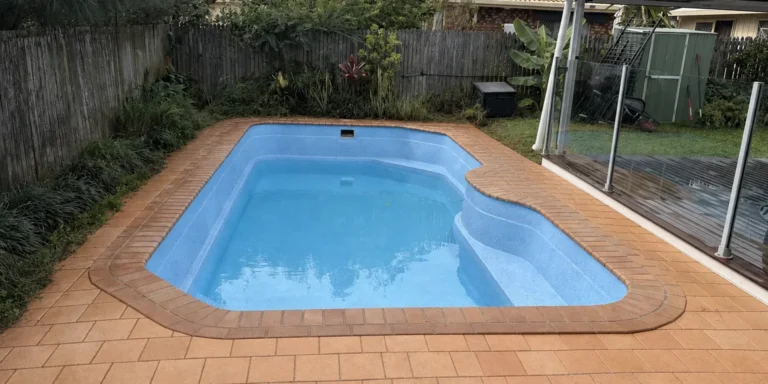
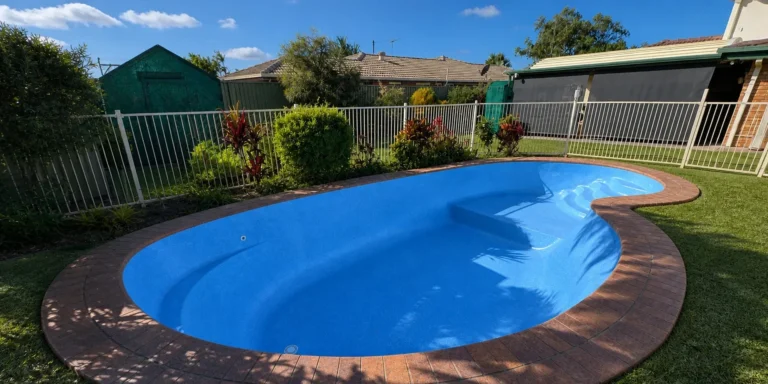
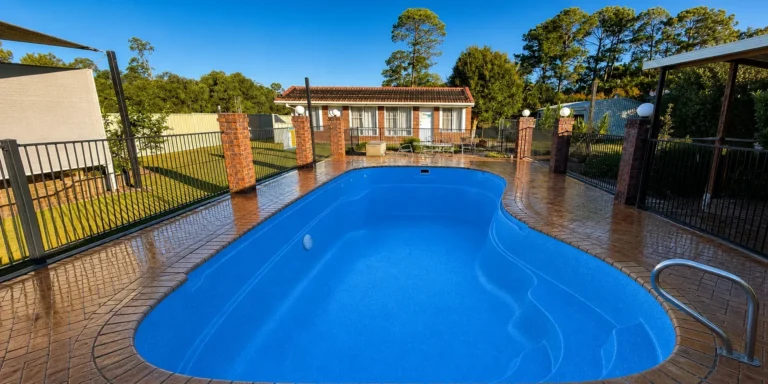
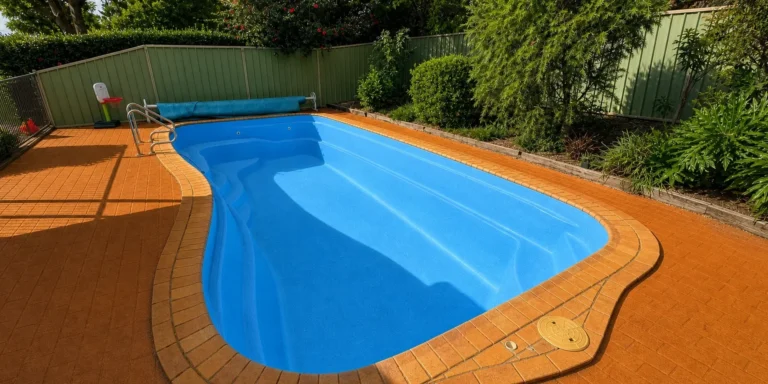
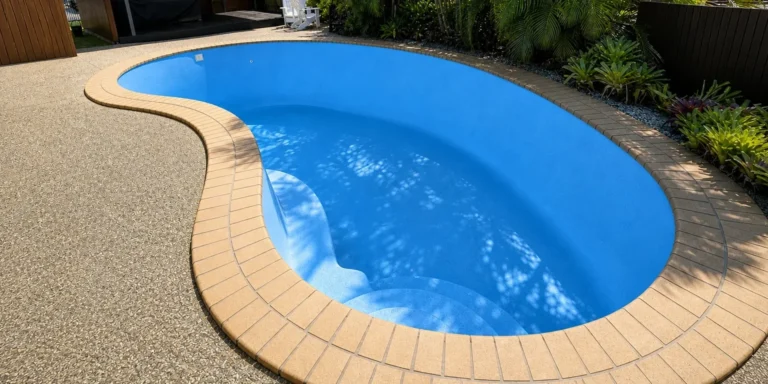
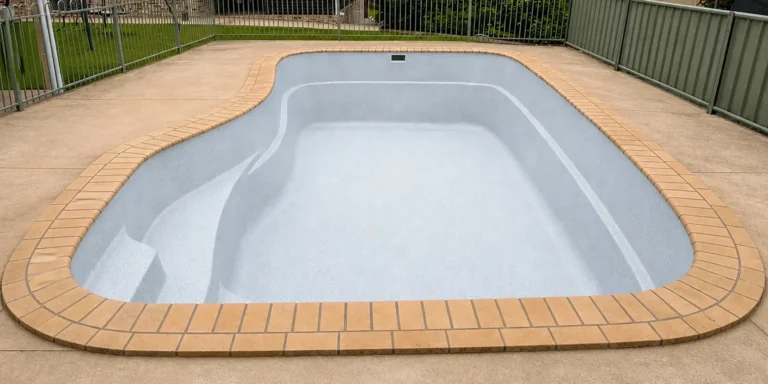
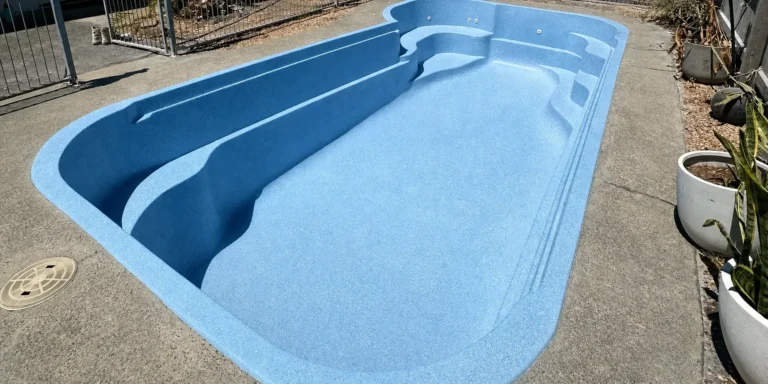
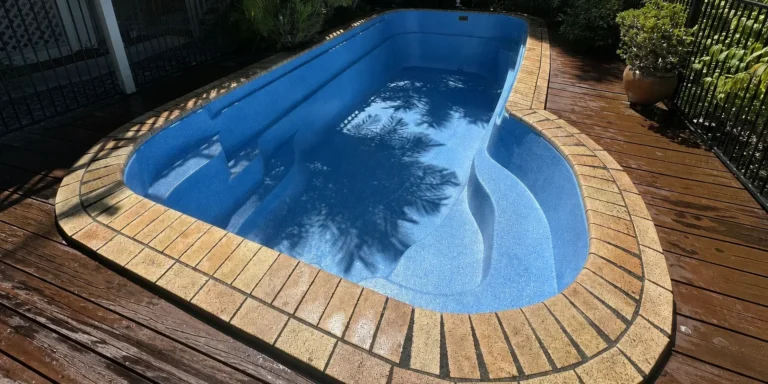
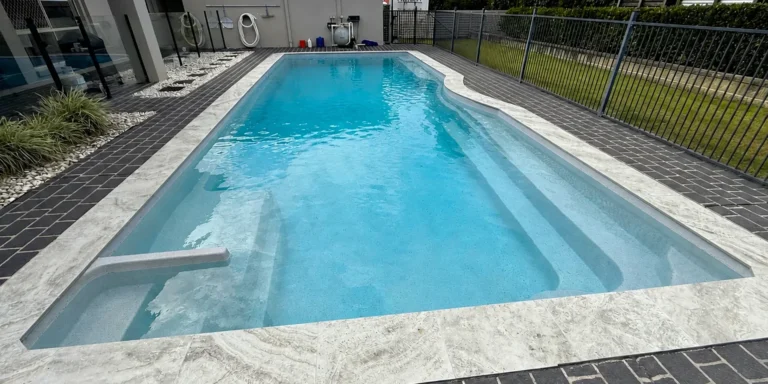
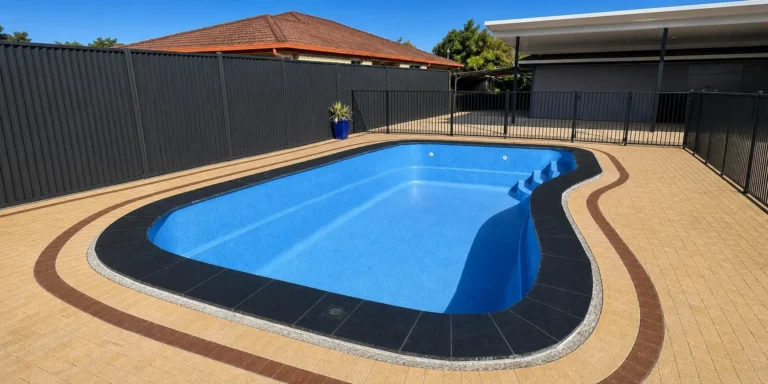
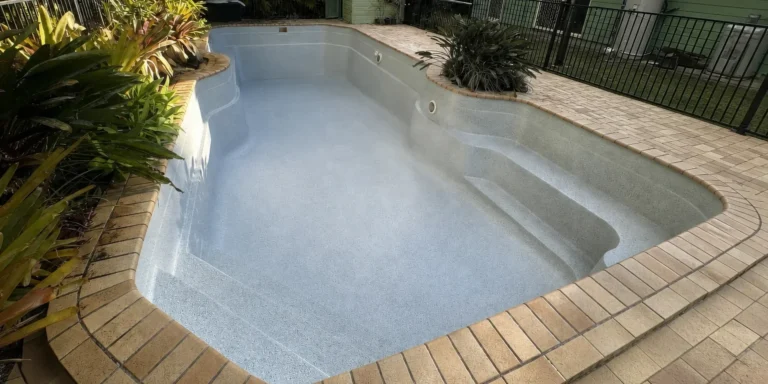
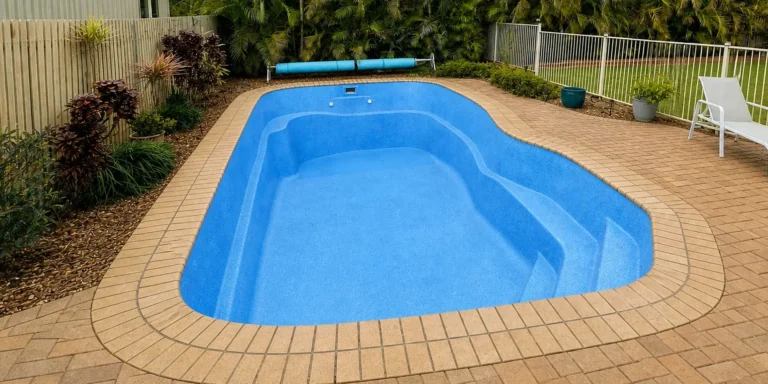
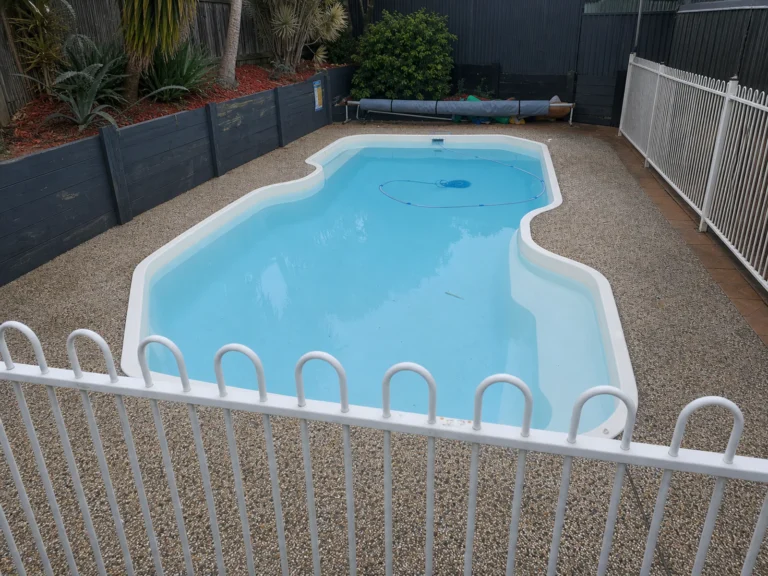
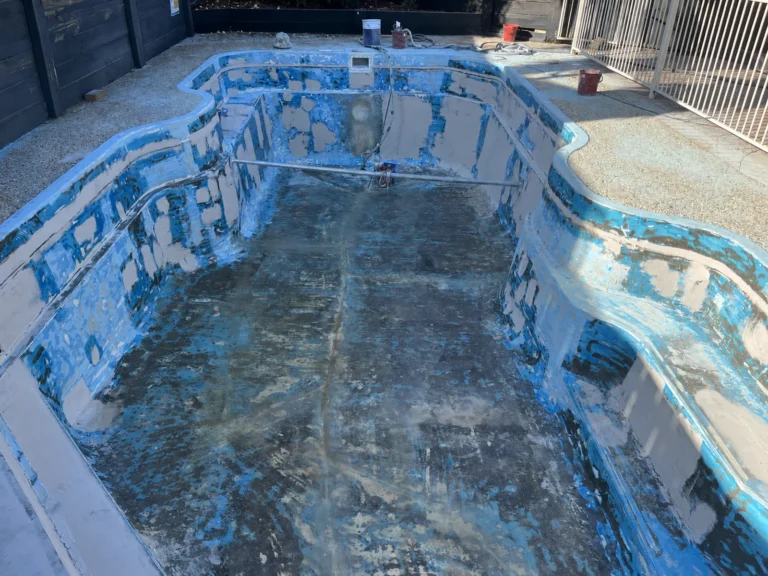
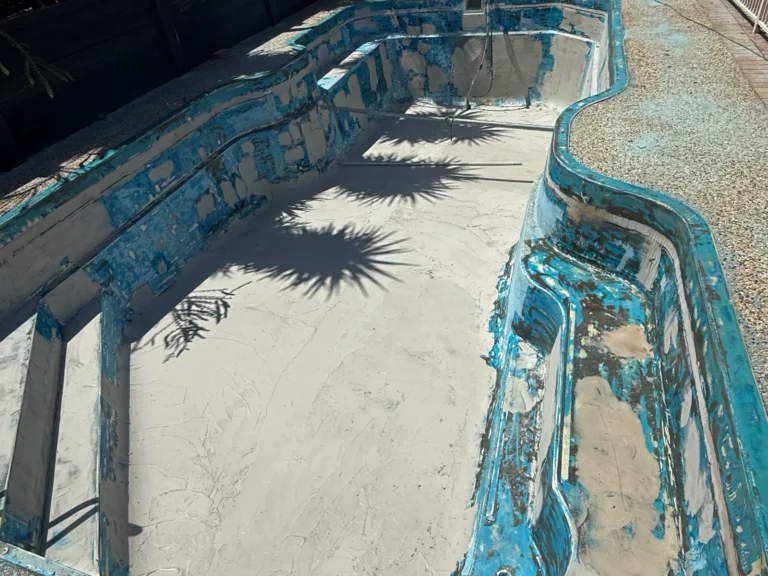
In November 2025, Fibreglaze restored the 8 x 4 m fibreglass pool in Boronia Heights, Queensland. The shell presented with wall and floor deformation together with osmosis blistering, requiring careful assessment and repair before resurfacing.
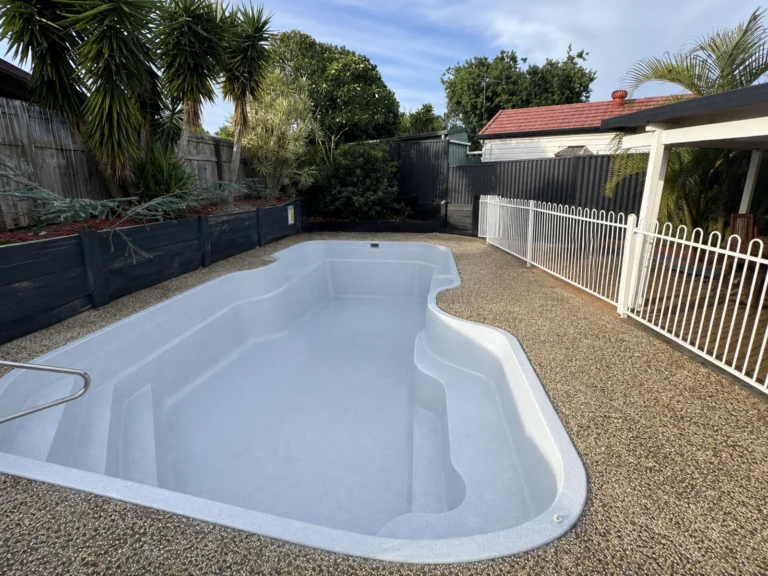
The deformed areas were repaired, osmotic damage and blistering were treated, and surface irregularities were corrected with resin-based screeding and filler. A new structural fibreglass laminate was installed, and the pool was completed in Dove Grey Speckle using the Fibreglaze Enduratec finishing system.
These photographs follow the work from the pool’s original condition through preparation and repair to the completed finish.
These were the main pool conditions recorded for this project. Select an issue to learn more about its common signs, possible causes and repair considerations.
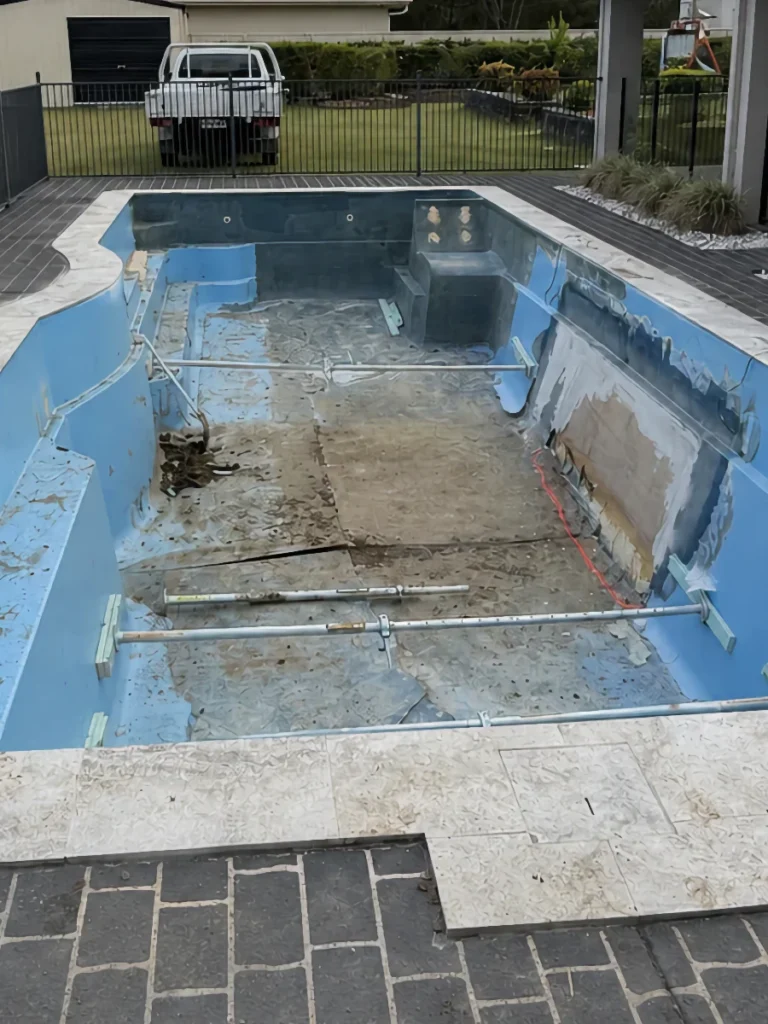
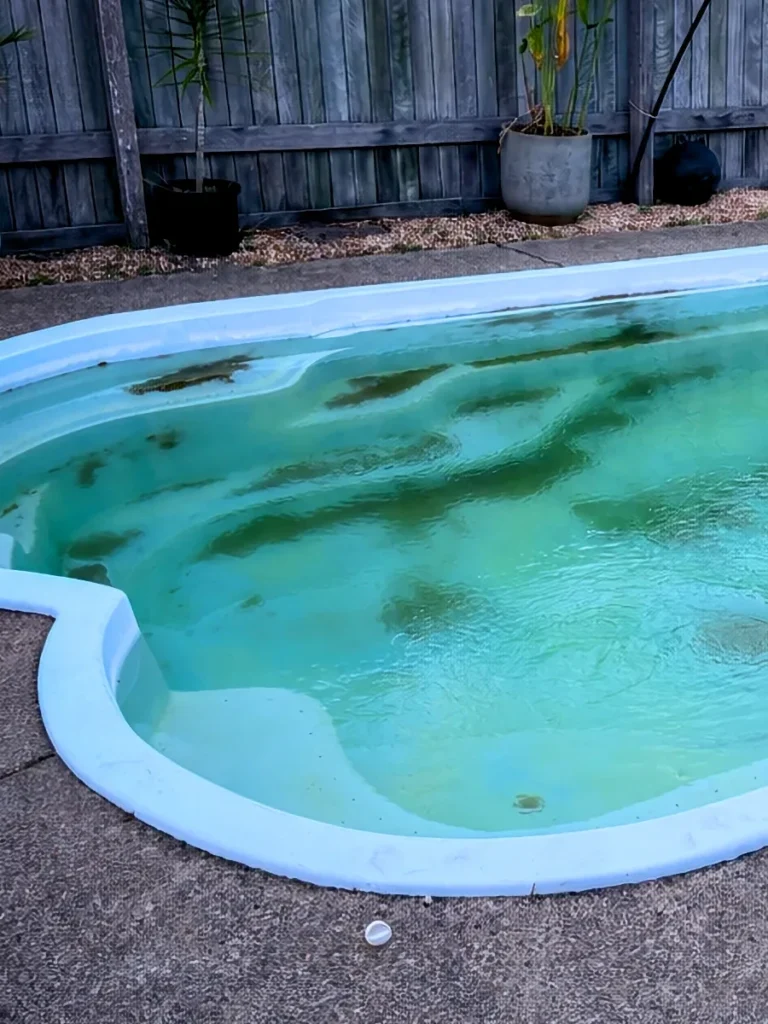
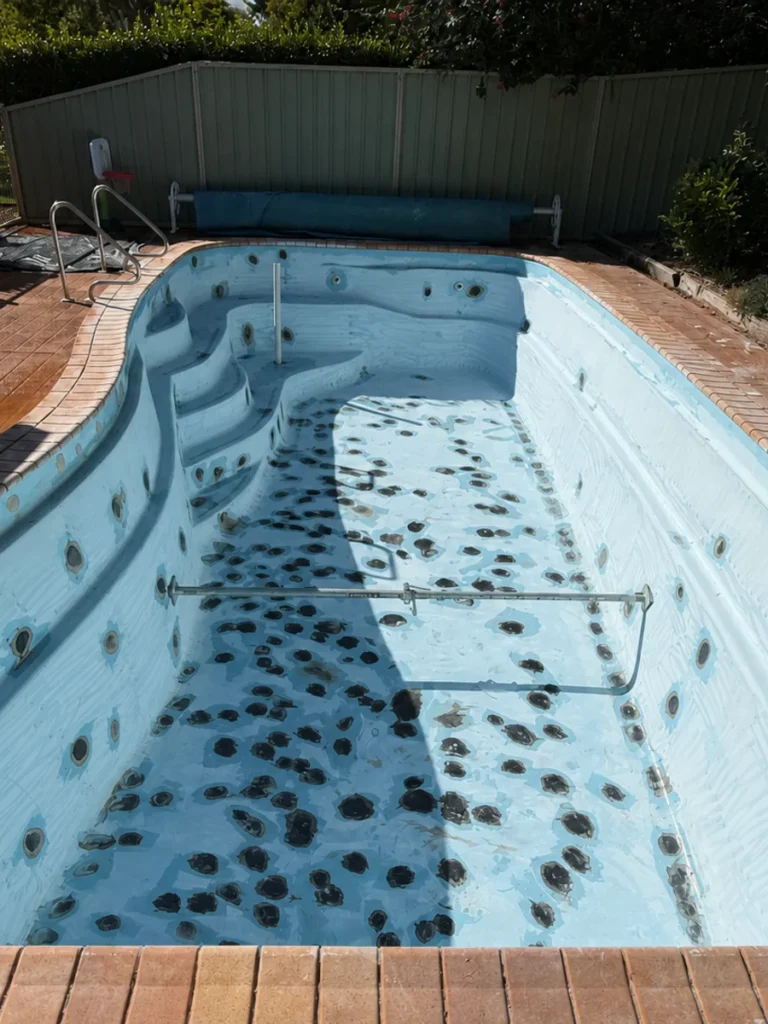
Additional views of the preparation, repair work and completed finish.
Fibreglaze – Outstanding Work and Incredible Results!
Fibreglaze recently restored our old fibreglass swimming pool, and the transformation is unbelievable. The pool looks absolutely amazing—better than we ever imagined it could. The team of workers were fantastic from start to finish. They worked extremely hard, were professional, friendly, and just genuinely awesome guys to have onsite.
We couldn’t be happier with the results. If you’re thinking about restoring your pool, I highly recommend Fibreglaze. Their workmanship and customer service are truly five-star.
Answers to common questions about the pool conditions and restoration work shown in this project.
Osmosis bubbles, also called blisters, can develop when moisture reacts with standard general purpose resins beneath the pool’s gelcoat. They may appear as small raised bubbles on the walls or floor. During resurfacing, affected areas are prepared and repaired before the new more advanced fibreglass Enduratec System is applied.
A raised, domed or springy floor often indicates pressure or lost support beneath the fibreglass shell. Groundwater can push upward when the pool is empty or the internal water level is too low, while washed-out, settled or poorly compacted backfill can leave unsupported areas that flex. The shell, groundwater conditions, drainage and surrounding support should all be assessed before repairs are planned. Avoid repeatedly walking on a springy area because continued flexing can place further stress on an ageing laminate.
These are common signs that the existing gelcoat is oxidising or wearing away. If the surface is faded, difficult to clean, rough underfoot or no longer holding its colour, resurfacing will restore a smooth, fresh-looking finish.
Fibreglass pool walls rely on the surrounding backfill and the water inside the pool for support. Walls can bow inward when groundwater or wet ground presses against the outside of the shell, when backfill has settled or washed away, or when a lifted floor pulls adjoining walls out of shape. Prolonged empty periods can make the imbalance worse. Repairing the visible curve alone is not enough; the source of pressure, drainage and external support must also be considered.
Oxidised gelcoat commonly looks faded, patchy or chalky and may leave a powdery residue when rubbed. Calcium scale is a mineral deposit added to the surface, so it is more likely to feel raised, crusted or sandpaper-like, particularly around the waterline and high-evaporation areas. Staining and scale can also sit over a worn finish, making visual diagnosis difficult. Check the water balance and have the surface assessed before using aggressive chemicals, because a treatment suited to scale can further damage ageing gelcoat.
A few small blisters do not automatically mean the pool is structurally unsafe, but they should not be ignored. Osmosis indicates that moisture and chemical activity are occurring beneath the visible surface. The seriousness depends on how many blisters are present, how deep they extend and whether the surrounding laminate is still sound. Widespread, split or weeping blisters generally require more extensive removal and reconstruction than a small isolated area. An inspection that opens representative blisters is the best way to determine the extent.
Send us a few photos and our team can help identify the likely issue and the most suitable next step.