Resurface your commercial pool with a reinforced, cleanable fibreglass interior
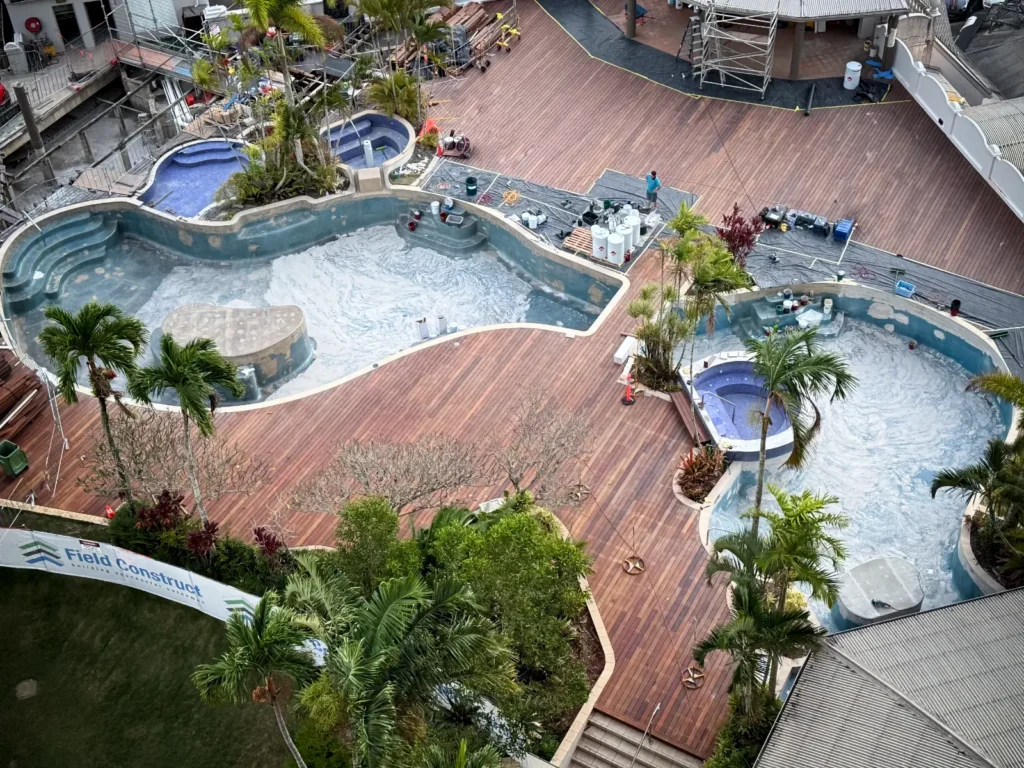
Commercial pools face demanding operating conditions, including high bather loads, frequent cleaning and limited shutdown periods. Fibreglaze works with councils, aquatic centres, schools, resorts, hotels and body corporates, tailoring the resurfacing scope to the existing pool construction, operating environment and project requirements.
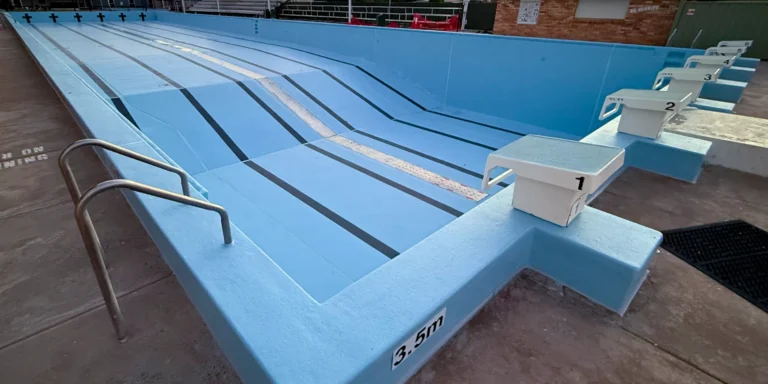
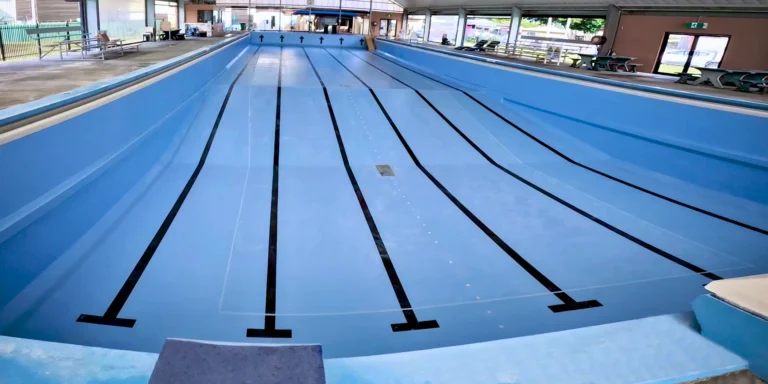
The pool is assessed for coating failure, cracks, deteriorated areas, leaking penetrations, movement joints and other substrate defects. After the required preparation and repairs, a continuous ENDURATEC reinforced lining and selected AquaGuard finish are installed. Fittings, markings, textured areas and joints can be incorporated where specified, providing a cleanable pool interior suited to ongoing commercial service.
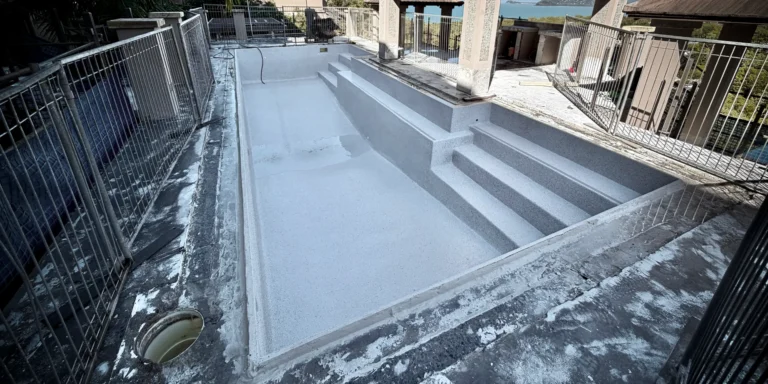
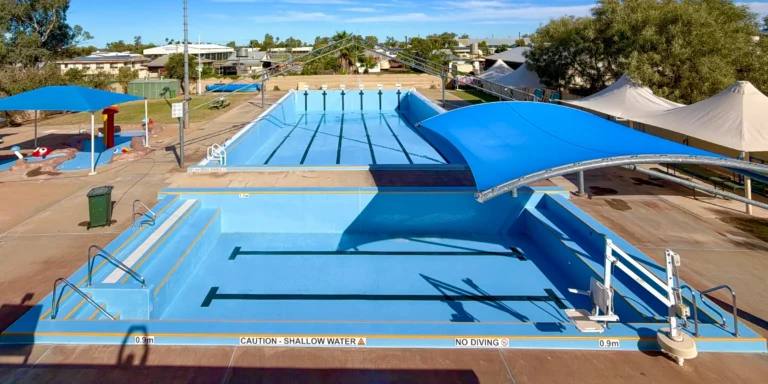
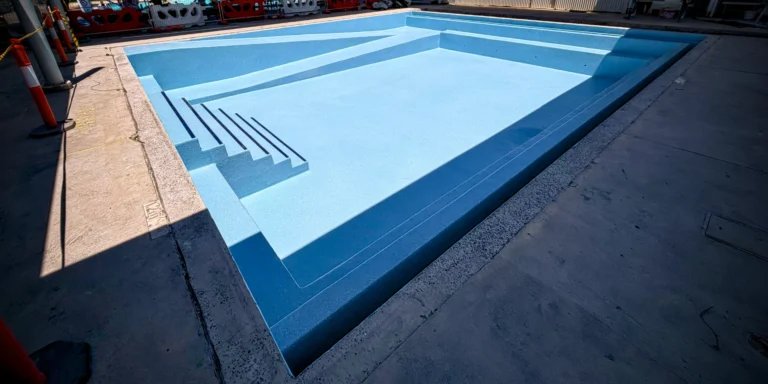
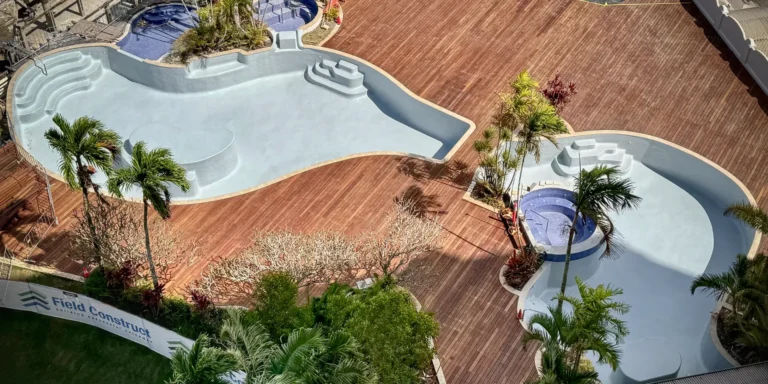
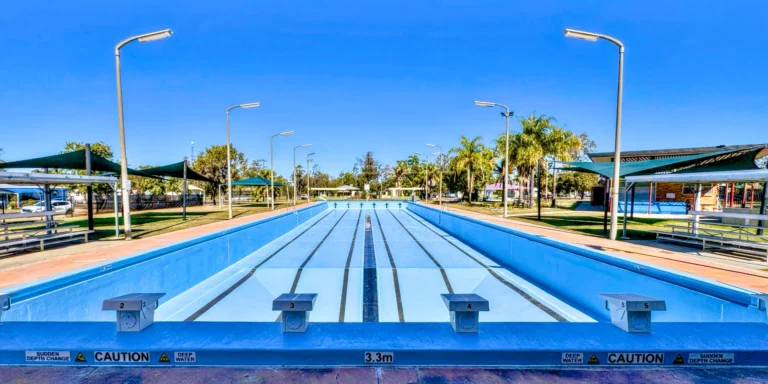
The finished result
Preparation and repairs tailored to the existing pool construction
A continuous, cleanable interior for ongoing commercial use
Fittings, markings and specified textured areas incorporated into the scope
Common signs your Commercial Pool may need resurfacing
An inspection can determine whether local repairs are suitable or whether the pool would benefit from complete resurfacing.
Cracks
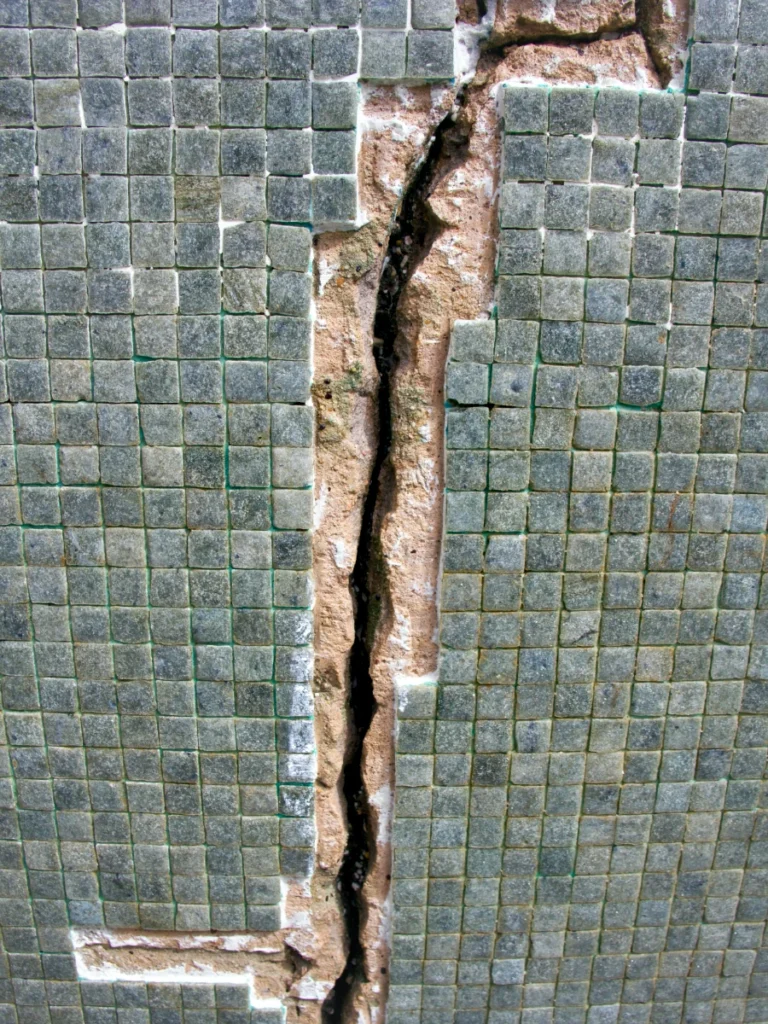
Pool cracks range from fine surface crazing to movement-related shell damage. An inspection is needed to identify the crack type, determine whether movement is continuing and select a repair that addresses more than the visible line.
Unexpected water loss can come from plumbing, fittings, cracks, tile joints, liners or the pool shell. Confirming the source before repair prevents resurfacing from being used where a plumbing or site solution is required.
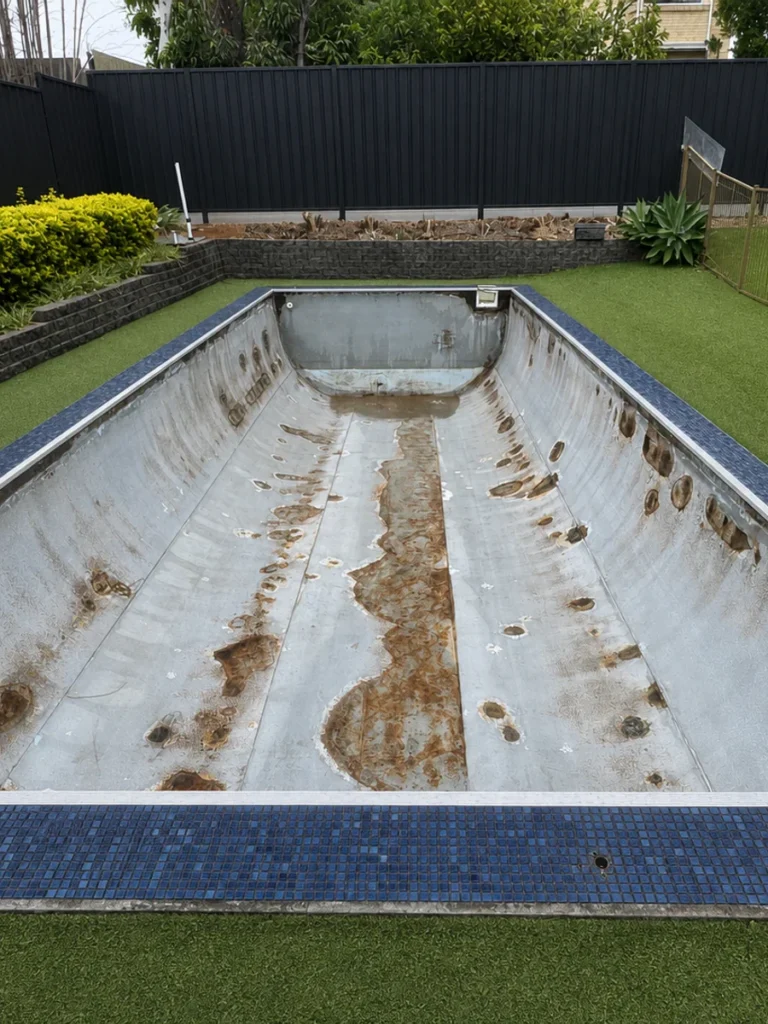
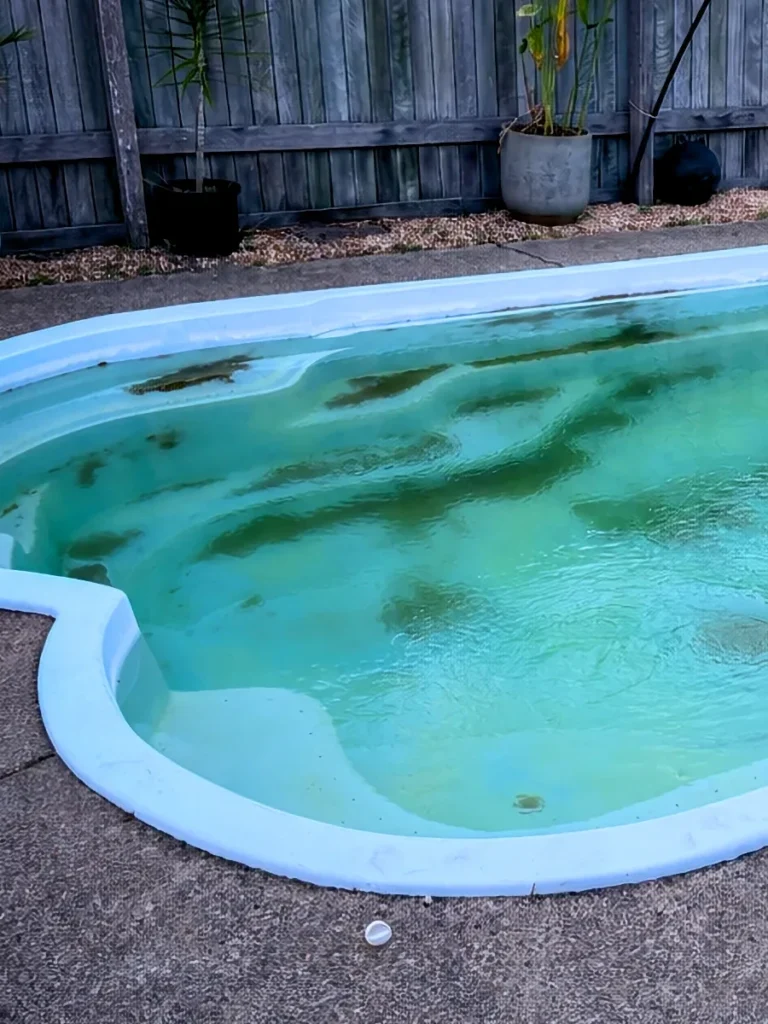
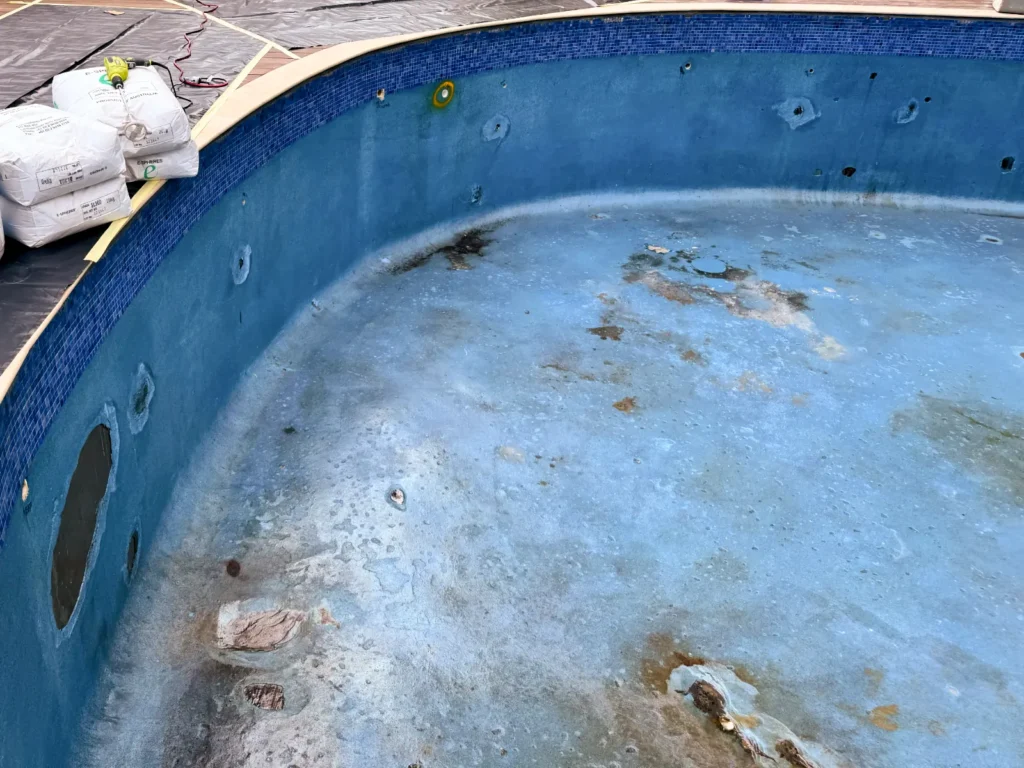
A faded, chalky or worn pool surface can become rough, porous and harder to keep clean. The condition should be assessed before resurfacing so weak material is removed and underlying defects are repaired.
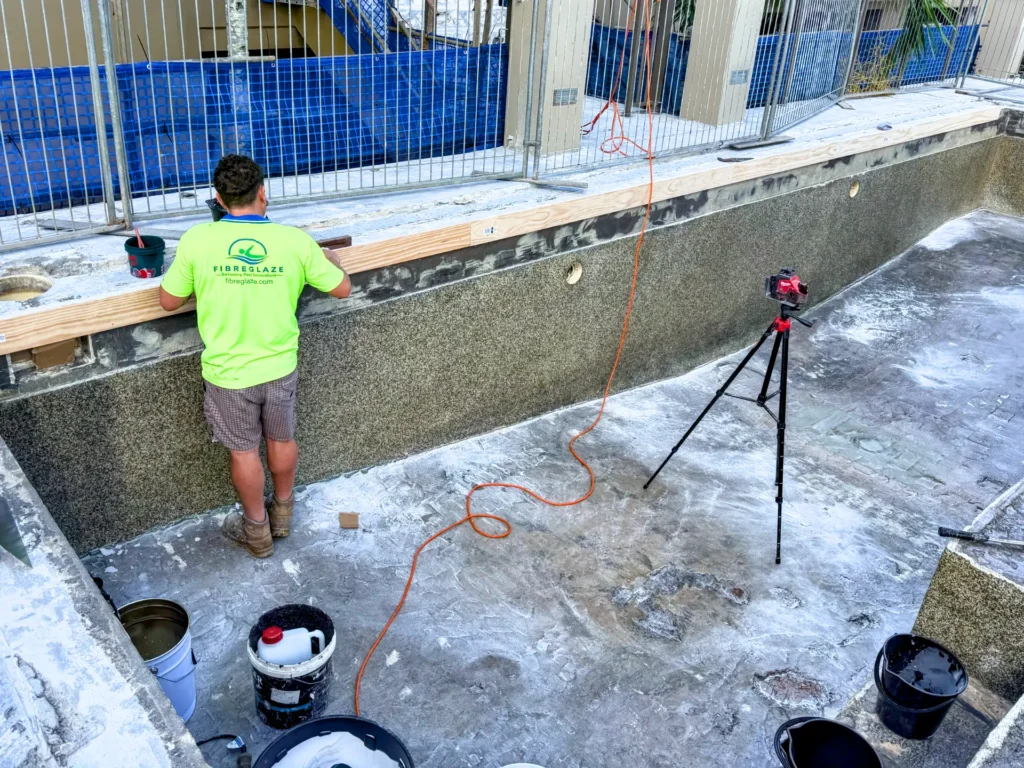
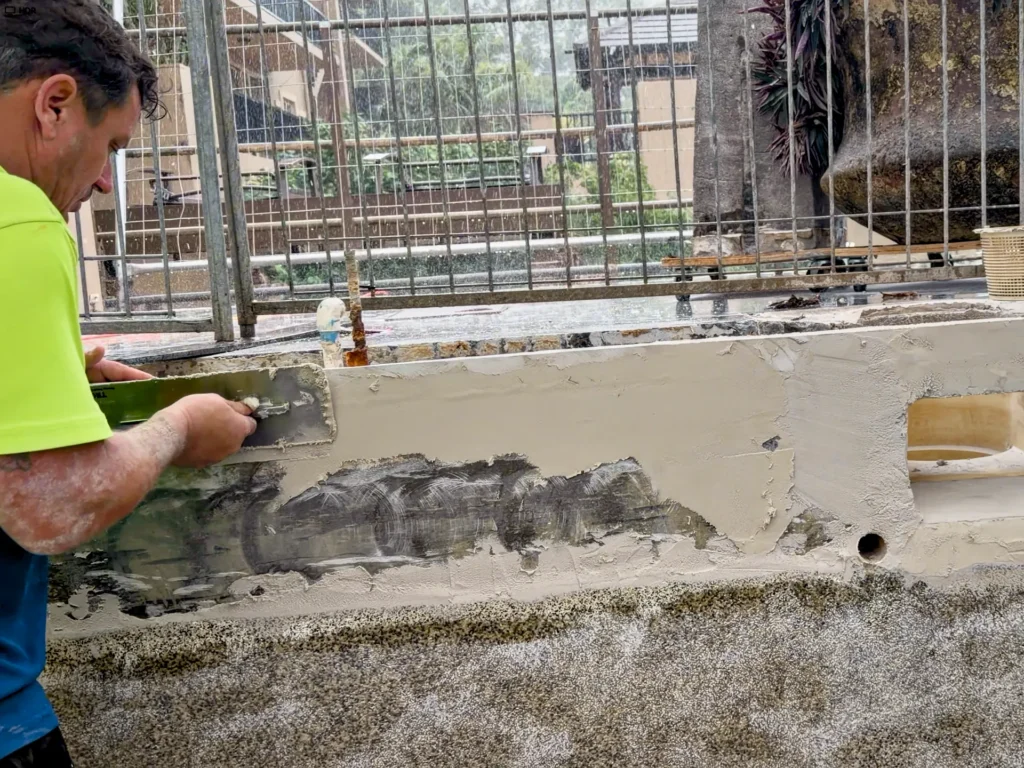
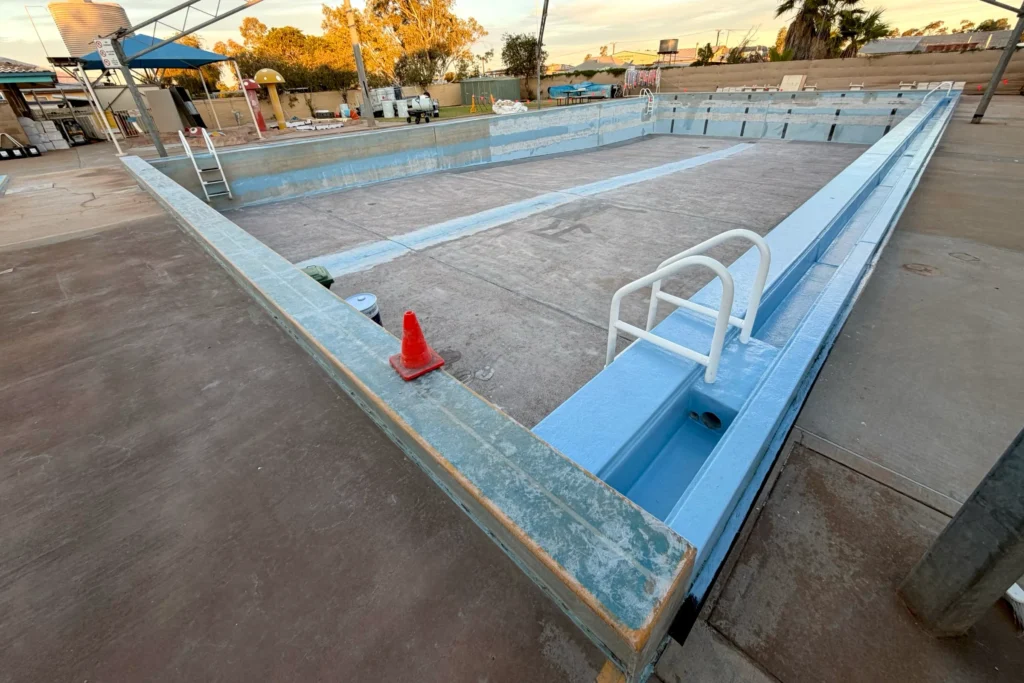
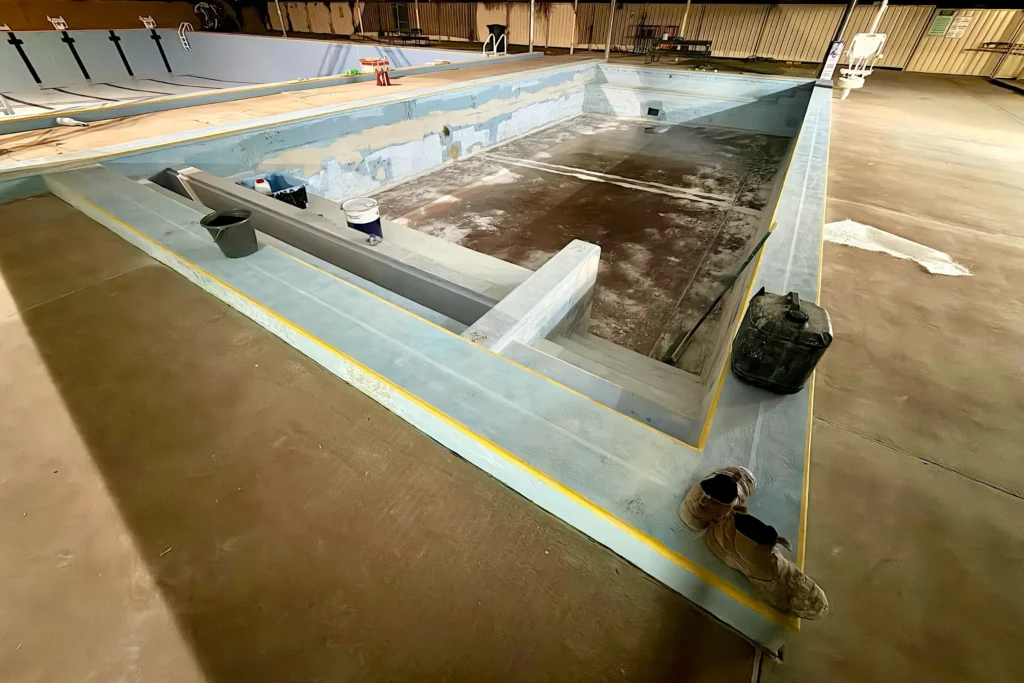
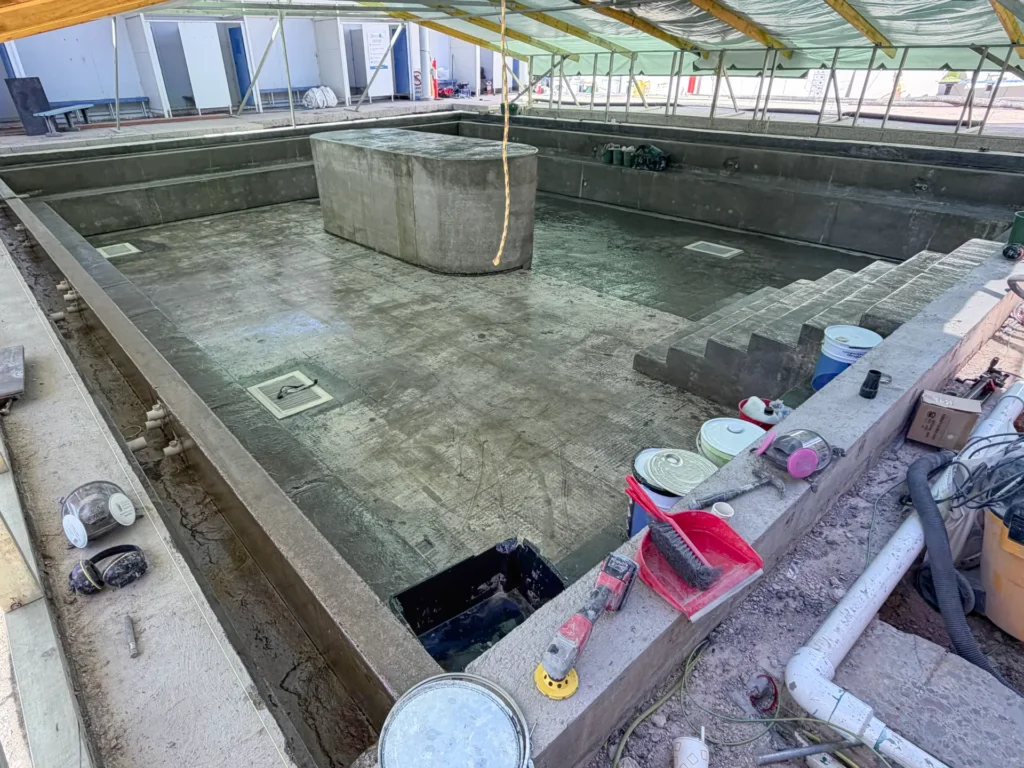
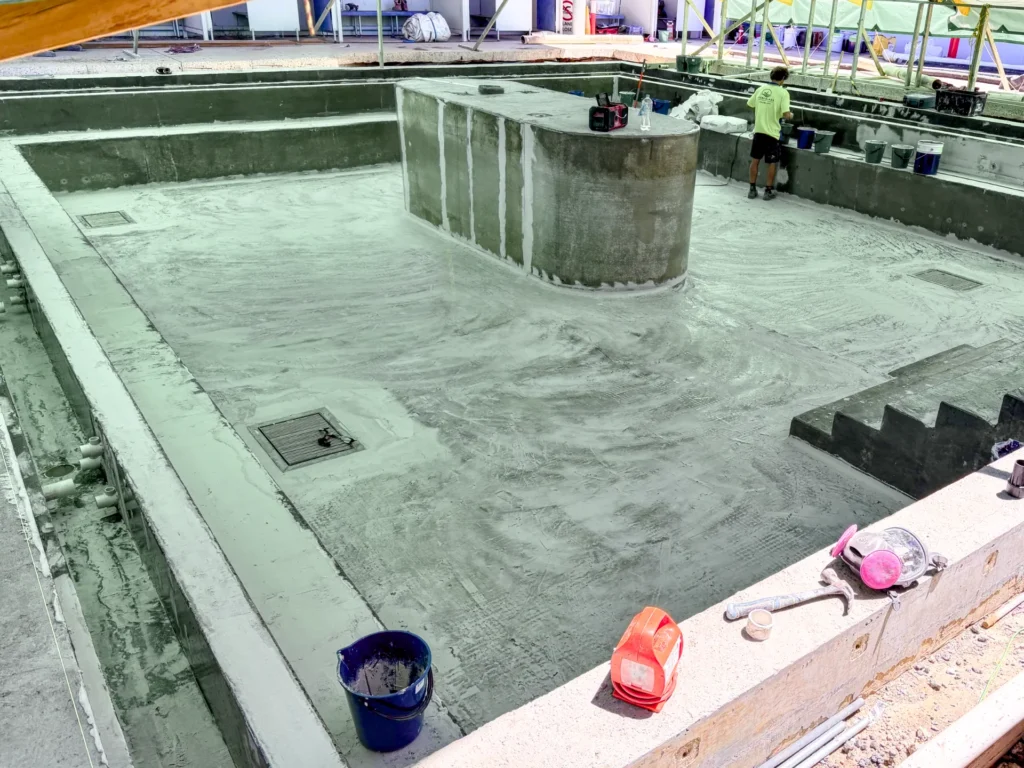
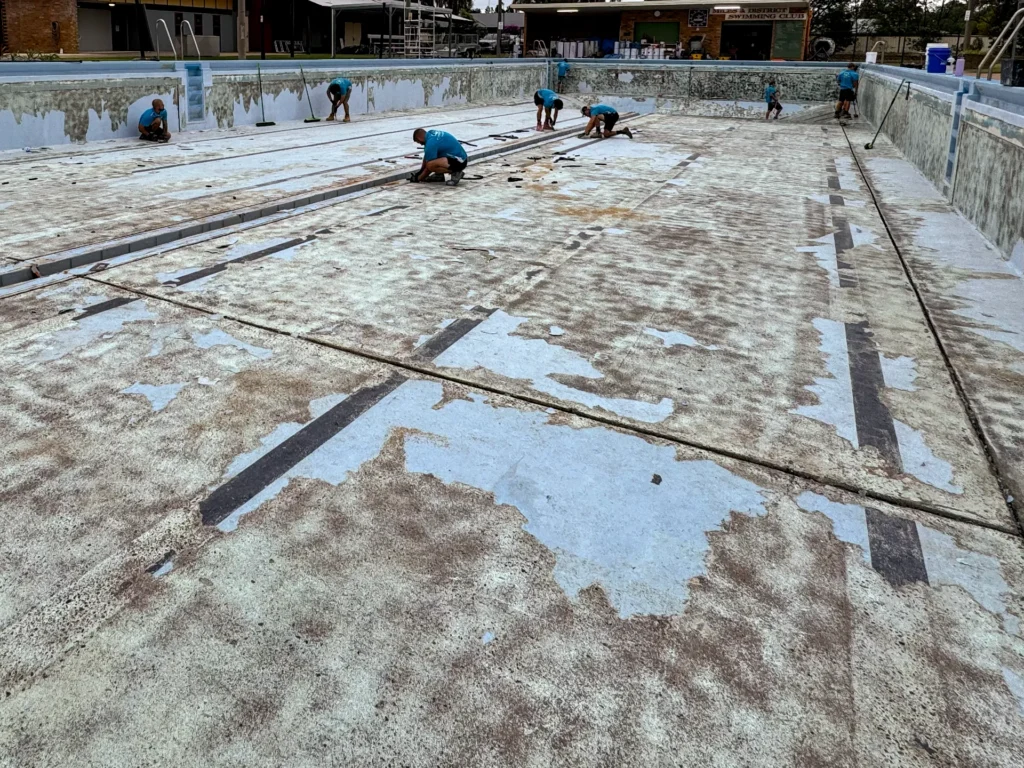
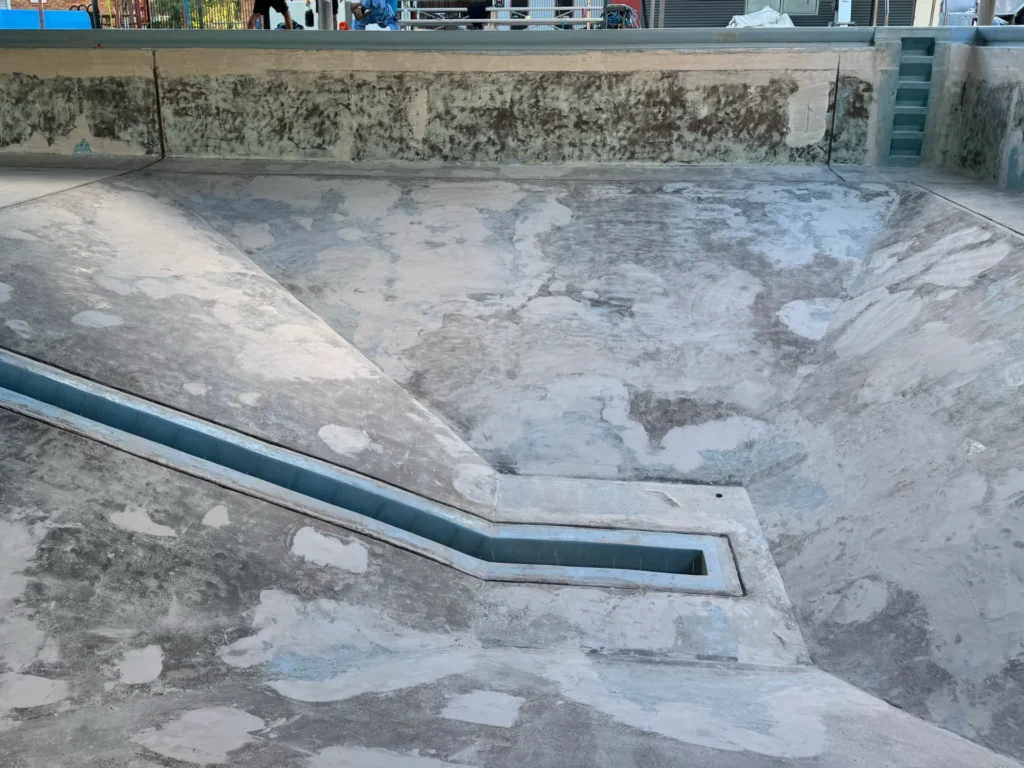
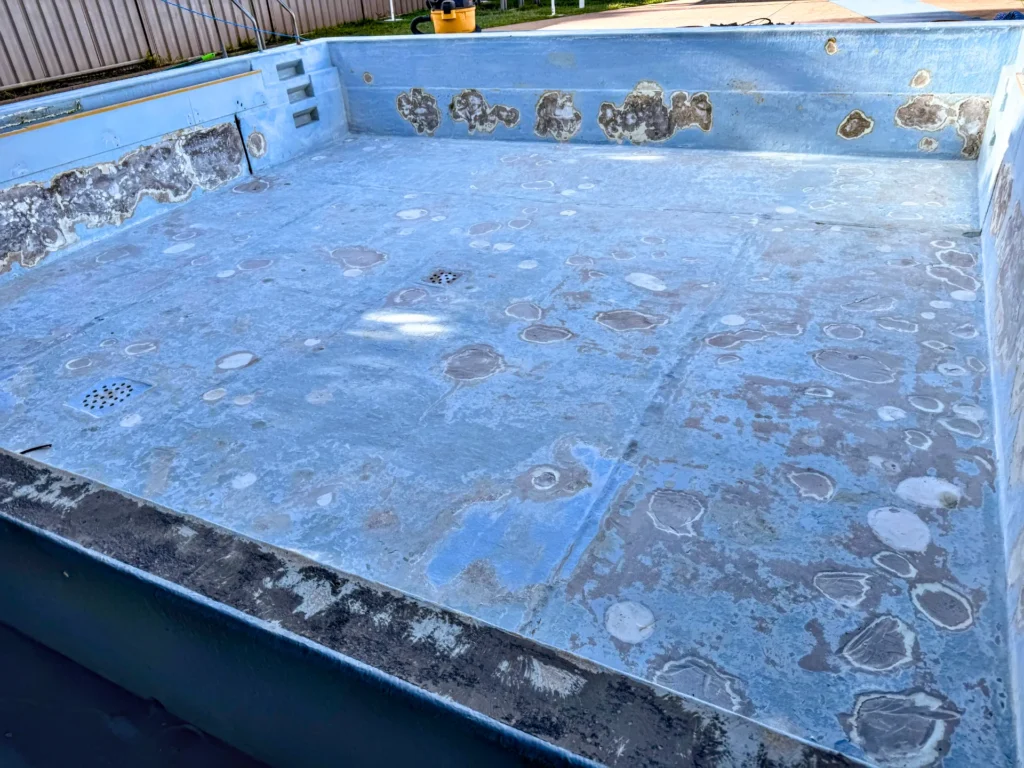
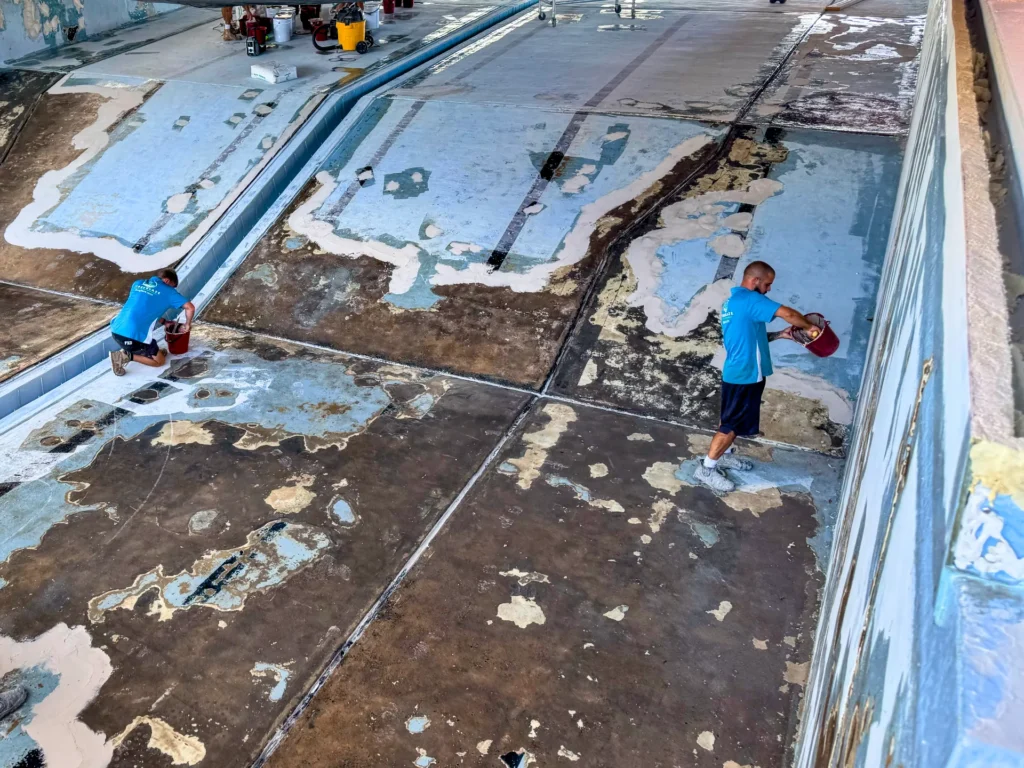
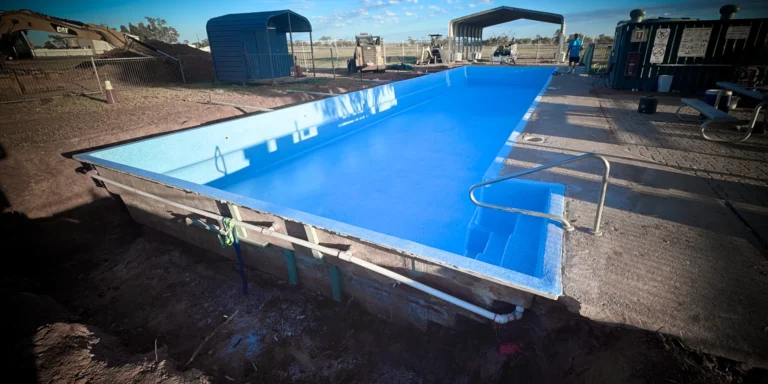
Commercial preparation is planned around the pool construction, defect condition, access and shutdown requirements. Failed coatings, loose materials, cracks, penetrations and movement joints are exposed and treated before the new lining is installed. These photographs show the work completed beneath the finished commercial surface.
Our Resurfacing Process
How we resurface a Commercial Pool
Every pool is assessed individually, but the work generally follows five stages—from confirming the scope and preparing the existing surface to installing the reinforced lining and applying the selected finish.
1
Assess and plan
We review the facility, available drawings, photographs and operating requirements, then arrange a site inspection where required. Access, shutdown constraints, fittings, joints and visible defects are considered before the preliminary scope is prepared. The final repair scope is confirmed after the pool is emptied and inspected.
2
Prepare the existing surface
Loose coatings and unsound material are removed, and the existing pool surface is cleaned and mechanically prepared to suit its construction. Penetrations, movement joints, safety markings and high-wear areas are exposed and checked so the repair and lining stages can be coordinated with the project requirements.
3
Repair and level
Cracks, deteriorated areas, leaking penetrations and other substrate defects are treated according to their condition and the agreed project scope. Joints and details that must remain active are addressed separately, while repaired areas are levelled to provide a stable base for the reinforced lining.
4
Install the reinforced lining
A reinforced fibreglass lining is applied across the prepared pool interior to form a continuous system suited to the existing structure. Additional reinforcement is incorporated where specified or required by the repairs, with fittings, penetrations and movement details integrated into the completed lining.
5
Finish and handover
Two UV-stabilised AquaGuard top coats are applied in the selected colour and finish. Specified safety markings and slip-resistant areas are incorporated where required. After curing, the pool, fittings and detailed areas are inspected, and the facility receives the agreed guidance for refilling, water balancing and return to service.
Tell us about the facility, existing pool construction, visible condition and operational requirements. Available drawings, photographs, access information, shutdown constraints and target dates help us prepare for the first project discussion.
Facility location, pool dimensions and site access
Existing finish, visible defects, leaks and previous repairs
Operating constraints, target shutdown and relevant drawings or photographs
YOUR PROJECT
Tell us about your commercial pool
Commercial pool resurfacing enquiry
Commercial Pool Resurfacing FAQs
How long will a commercial pool need to close for resurfacing?
There is no reliable standard closure period because the programme depends on pool size, access, construction, removal, repairs, cure conditions, refill time and commissioning. Hidden deterioration or work to joints, penetrations and markings can change the sequence. A commercial proposal should include a project-specific programme, hold points and assumptions. Facility managers should identify fixed events, seasonal demand, plant constraints and the latest acceptable reopening date before the scope is finalised.
What information is needed to plan and quote a commercial pool resurfacing project?
Useful information includes pool dimensions and construction, the existing finish, known defects, leaks and previous repairs, drawings, photographs, fittings, markings and movement joints. Access, draining and water-disposal arrangements, plant isolation, working-hour restrictions, fixed events and the required reopening date can materially affect the programme. Identify any designer, certifier, operator or other contractor who must approve details. A site inspection and project-specific scope are still required, and the quotation should state its assumptions and how concealed deterioration will be handled.
Can commercial pool resurfacing be staged to reduce facility downtime?
Sometimes, but staging is not suitable for every pool. It depends on whether pools or hydraulic zones can be isolated, safe access maintained and each stage prepared, cured and commissioned without contaminating adjacent work. Interfaces between stages must remain technically sound. The operator, contractor and designer should review plant operation, public separation, water treatment, access and reopening requirements before promising partial operation. In some facilities, one planned closure is safer and more efficient than several short closures.
Can lane markings, depth markers and slip-resistant areas be included in a commercial pool resurface?
Yes, these elements can be incorporated when identified and specified before installation. Locations, colours, dimensions, surface texture and junction details should be coordinated with the facility operator, designer and project requirements. Slip-resistant treatment is normally targeted to nominated areas so barefoot comfort, cleanability and slip performance can be balanced. Existing markings and fittings should be documented so the quotation states what will be reinstated, replaced or altered.