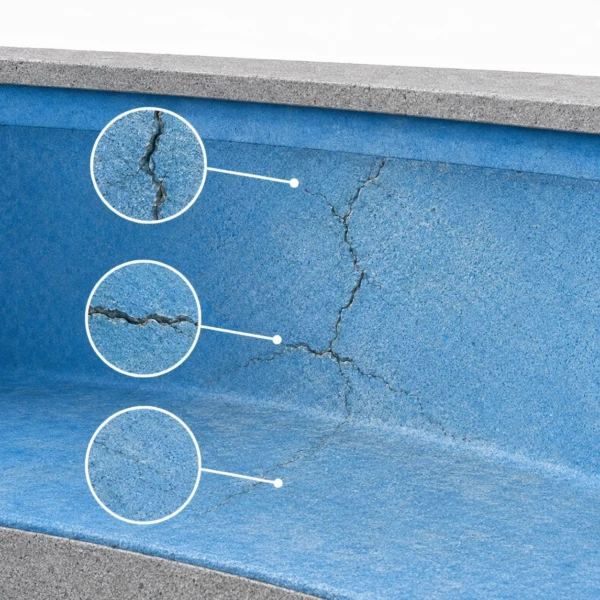
Cracks may appear as fine crazing, a distinct line, an opening at a corner or step, or a recurring split through an earlier patch. They can allow water into the substrate or out of the pool, although not every visible crack is an active leak.
A surface filler is vulnerable if weak material remains below or movement continues. The repair needs to extend into sound material and distribute stresses beyond the crack line. Designed movement joints are different and must be detailed so their intended movement is not simply locked beneath a rigid finish.
The extent and location of the visible problem
The condition of the surrounding pool surface
Likely causes and the most suitable repair approach
Cracks can result from shrinkage, settlement, hydrostatic pressure, thermal movement, impact, weak earlier repairs or movement at joints and changes in construction. In fibreglass pools they may also develop where the laminate has lost support or repeatedly flexed. Concrete pools can show non-structural surface cracks as well as cracks extending through the shell.
Width alone does not reveal significance. Location, direction, depth, displacement, moisture, surrounding soundness and signs of continuing movement must be considered. Structural movement, leaking joints or unstable ground may require engineering or site works in addition to resurfacing.

Fibreglaze investigates the crack and surrounding shell before selecting the repair width and reinforcement. Unsound material is removed, the crack is opened and cleaned, and the area is rebuilt to a stable profile. Where suitable, a reinforced bridging detail is extended across the crack to spread local stresses.
The repair is incorporated into a continuous fibreglass lining and Enduratec finish. This provides a bonded interior rather than a narrow cosmetic patch. Structural cracks, significant settlement or active movement may need further corrective work before resurfacing.

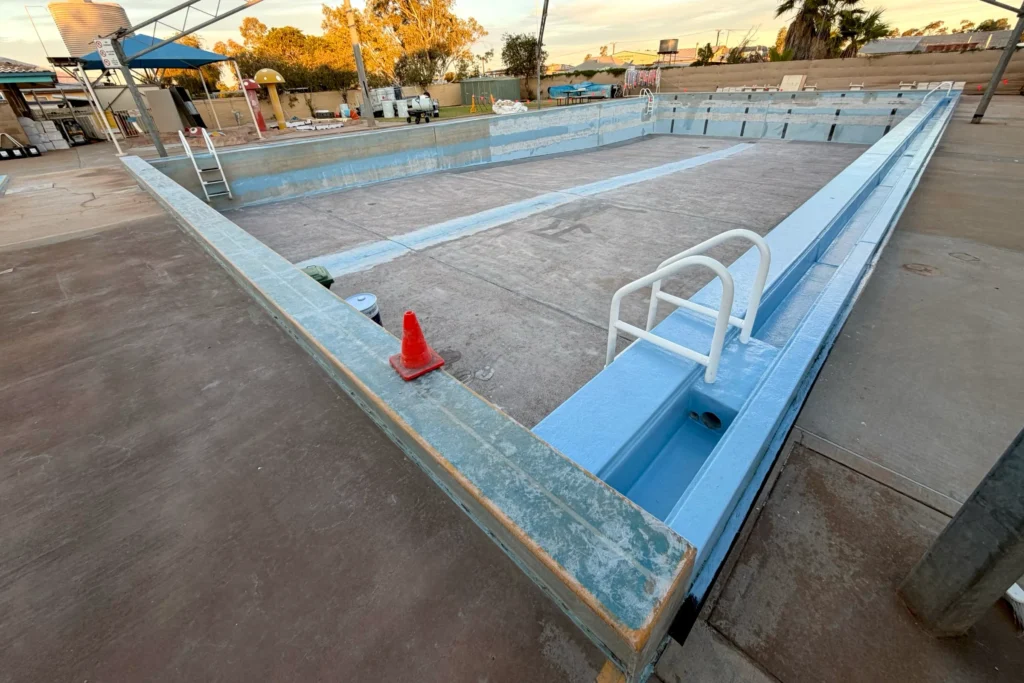
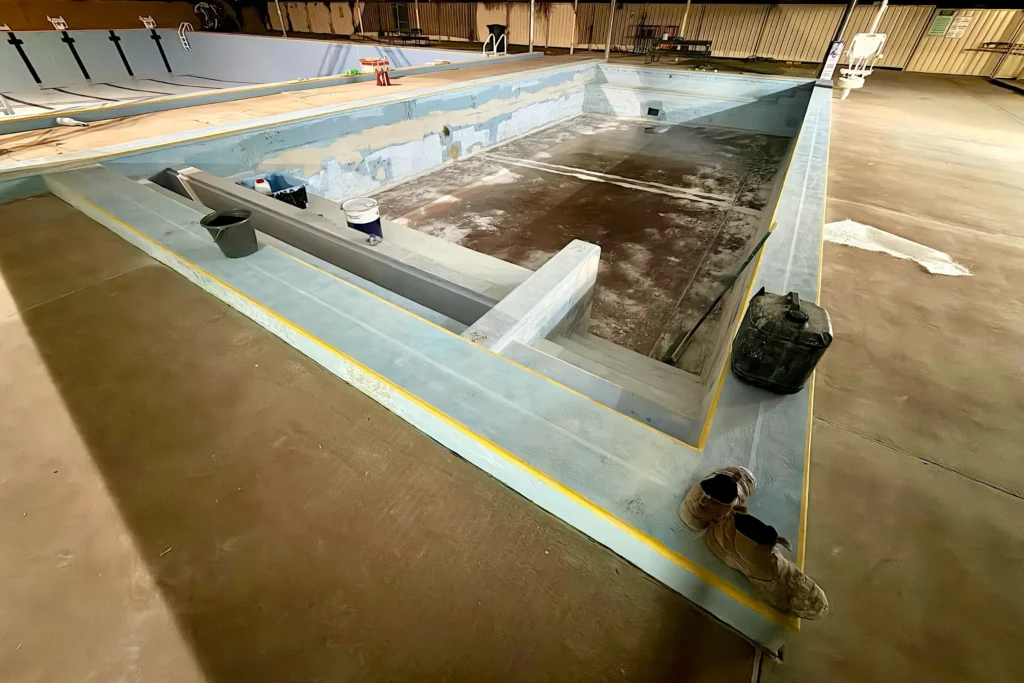
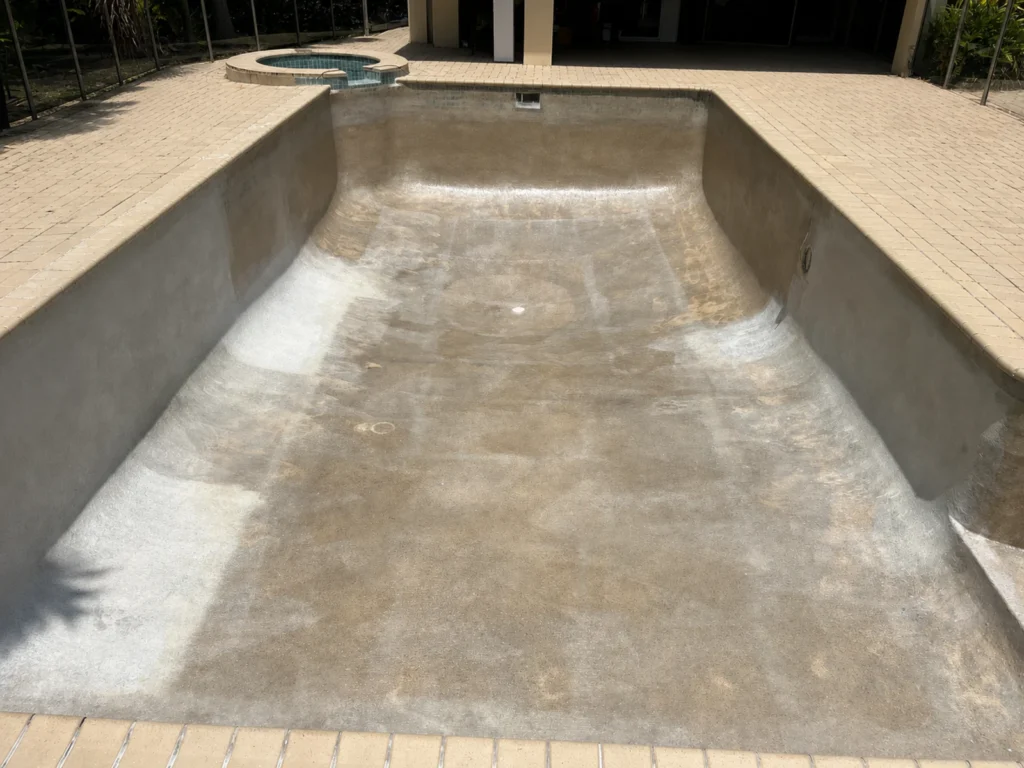
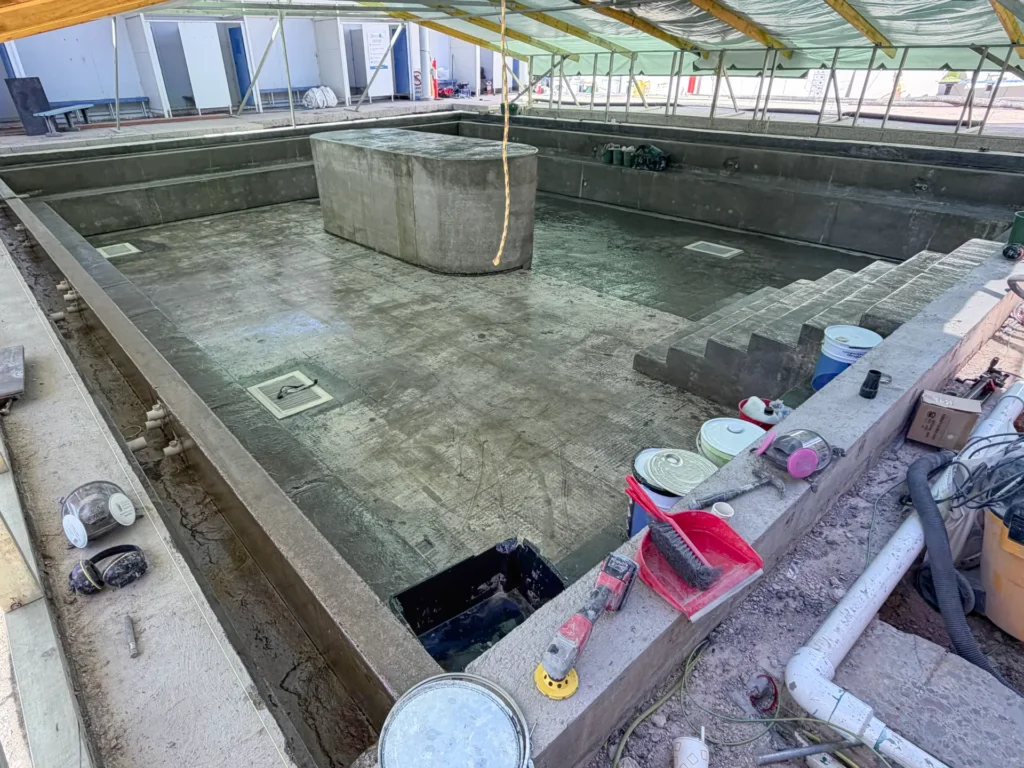
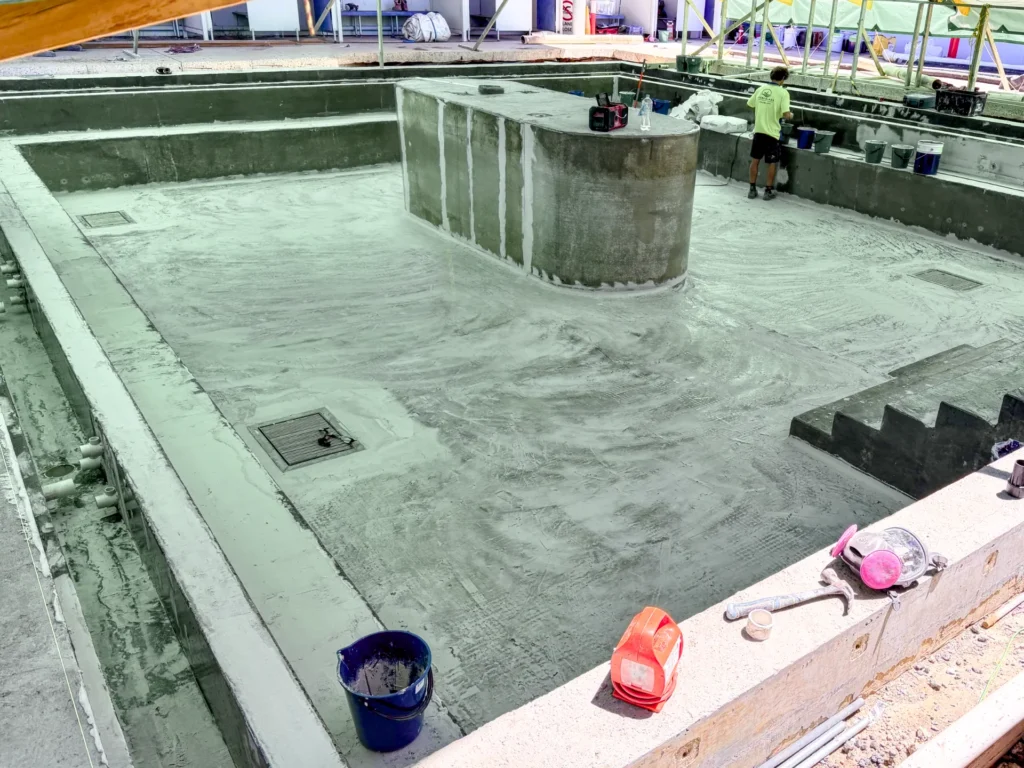
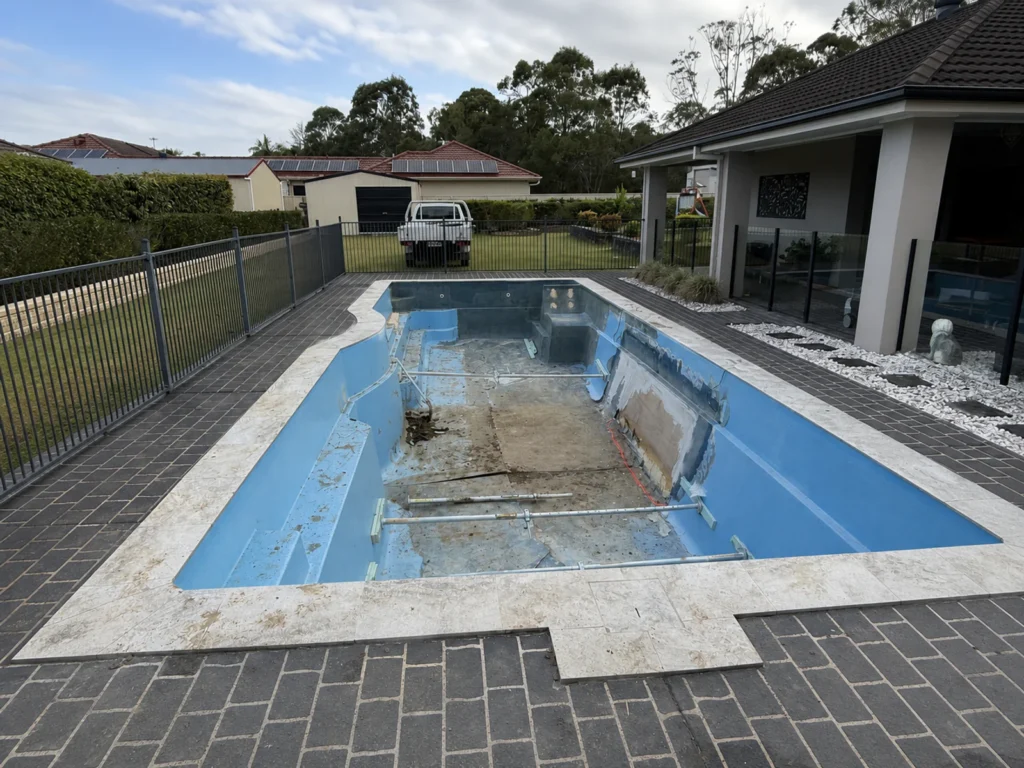
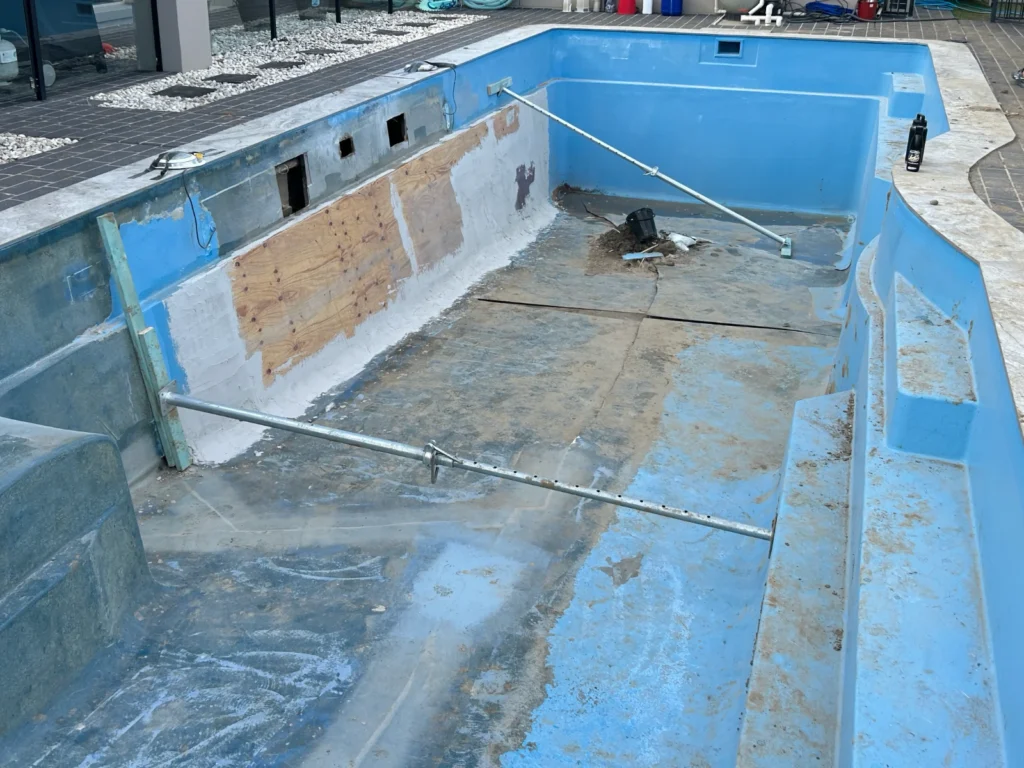
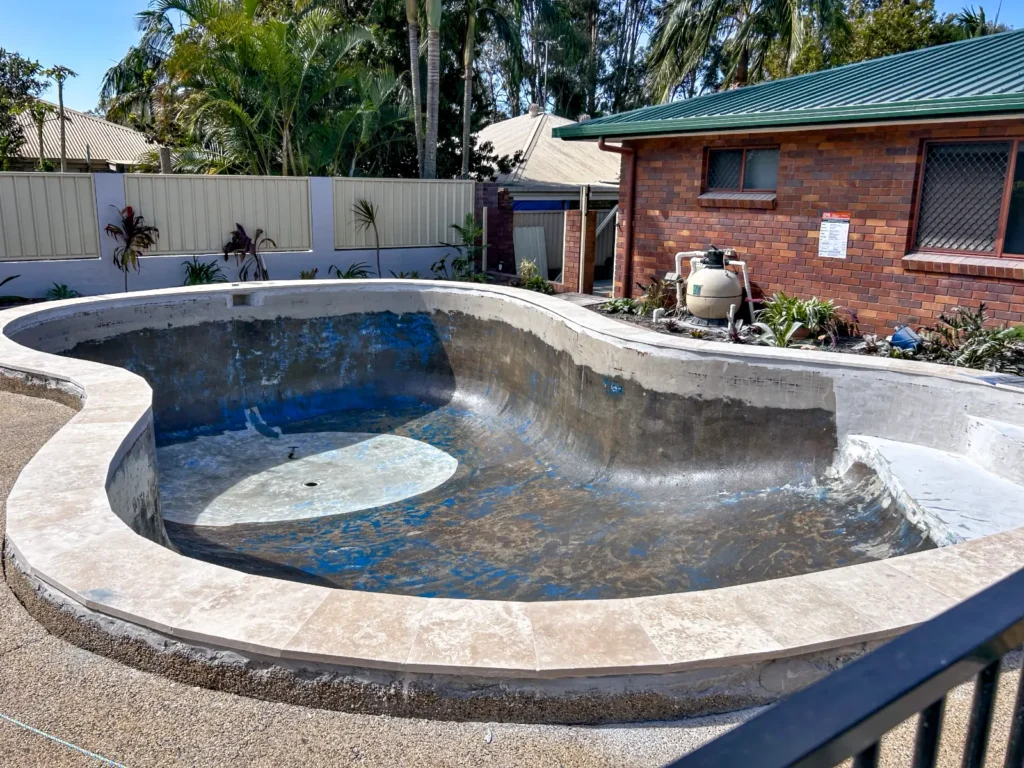
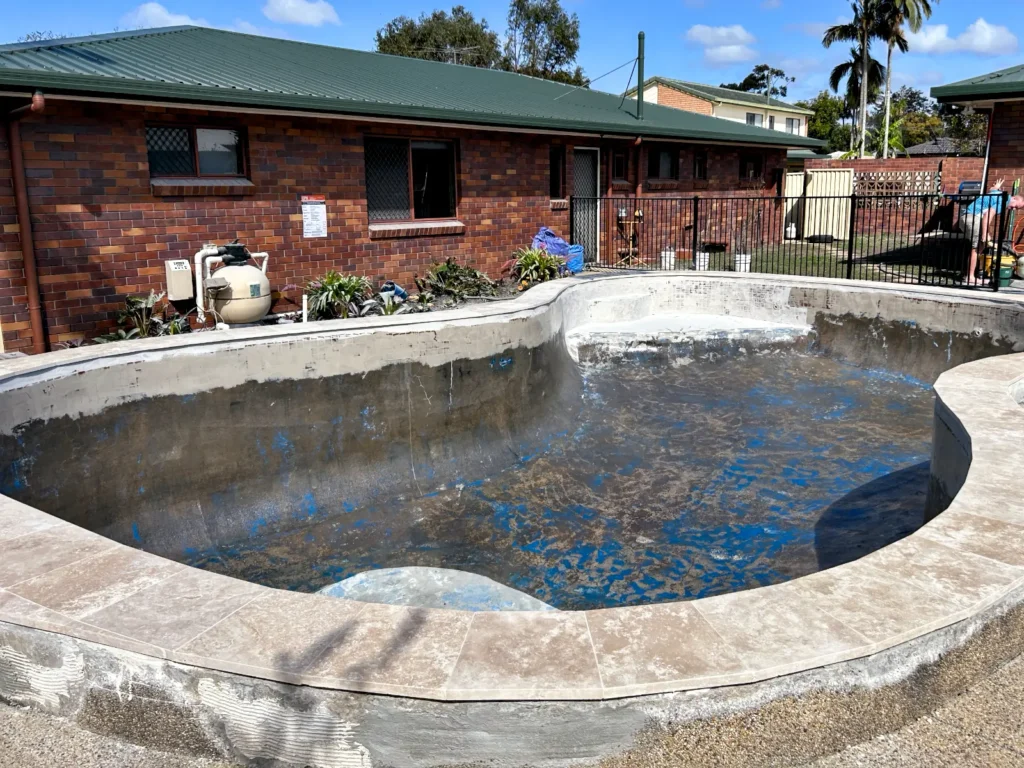
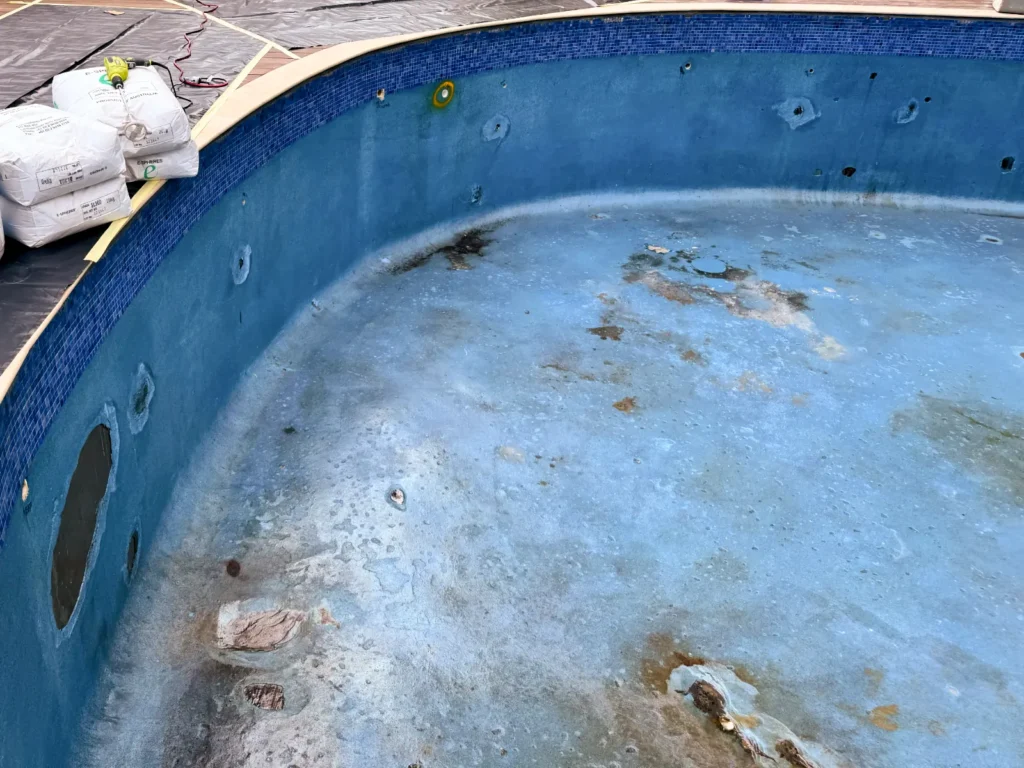
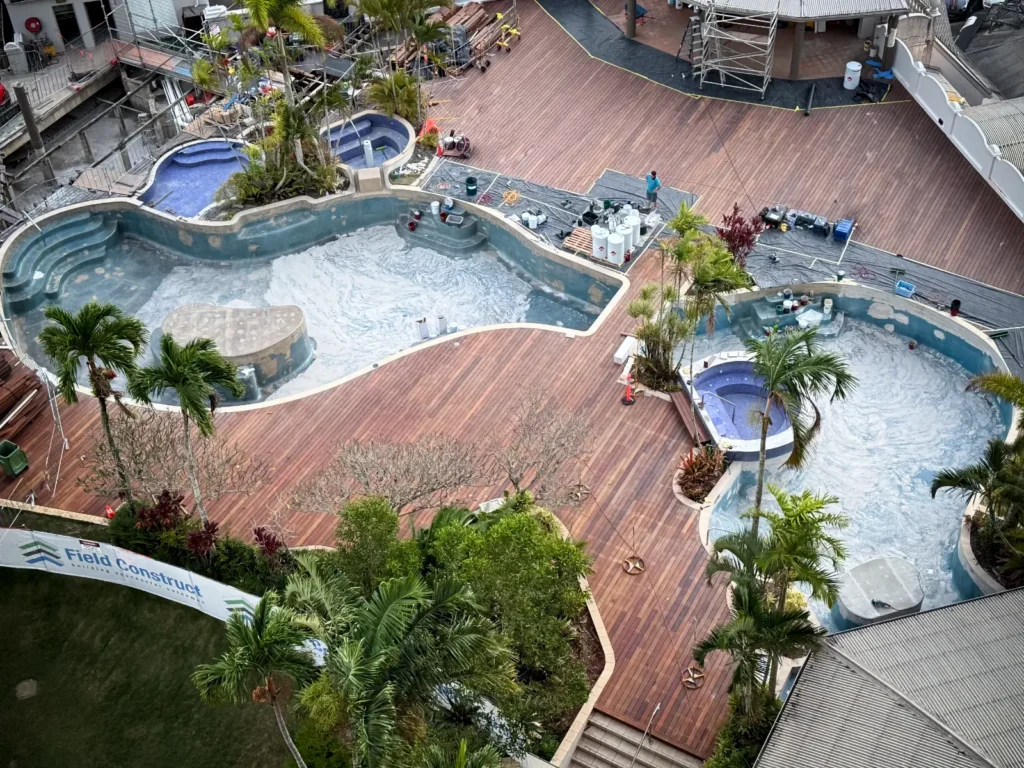
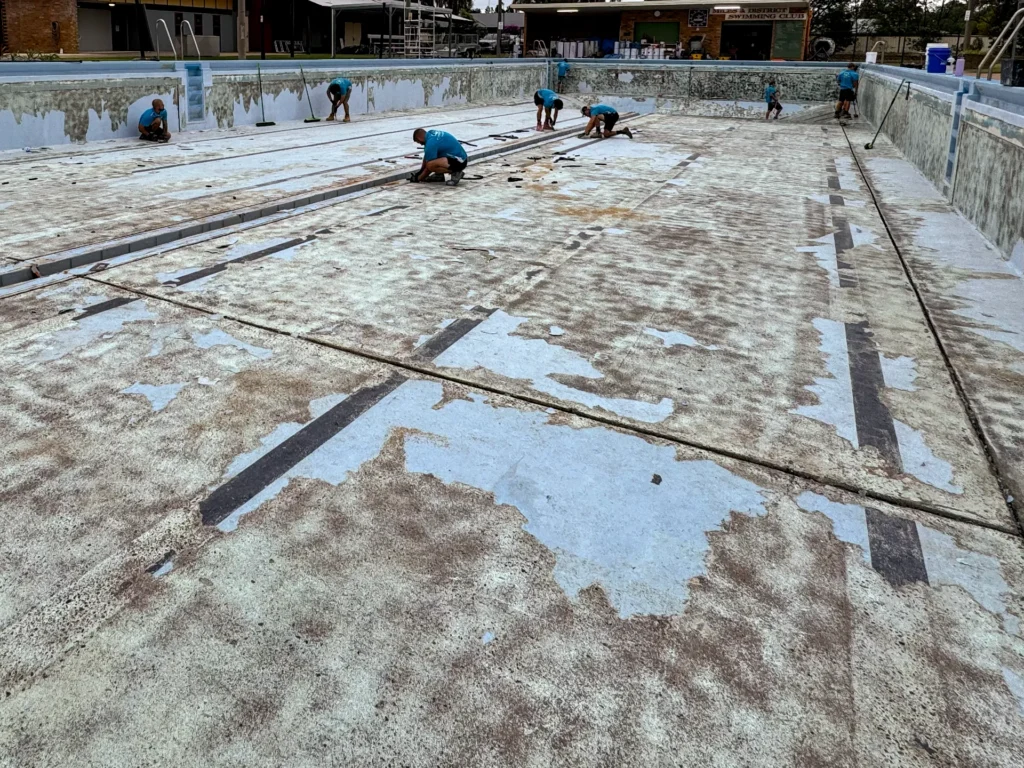
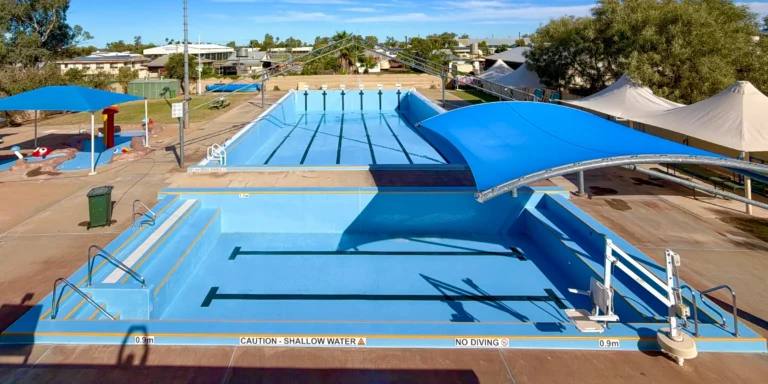
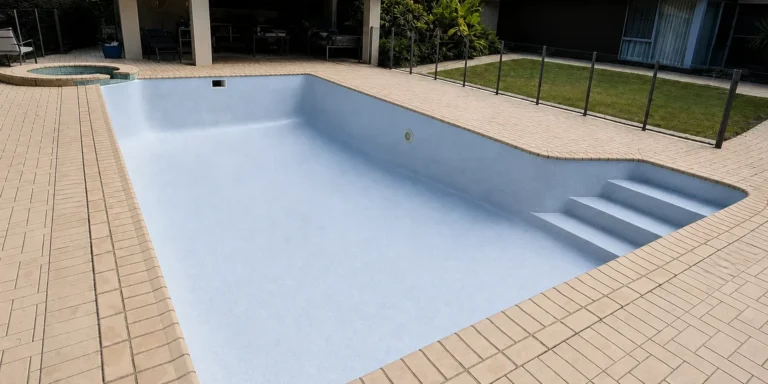
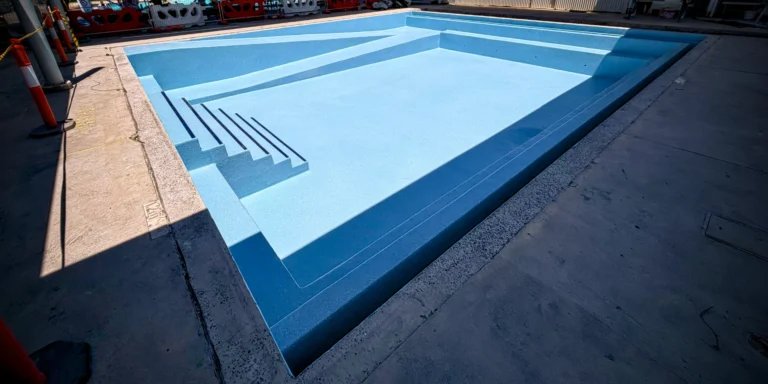
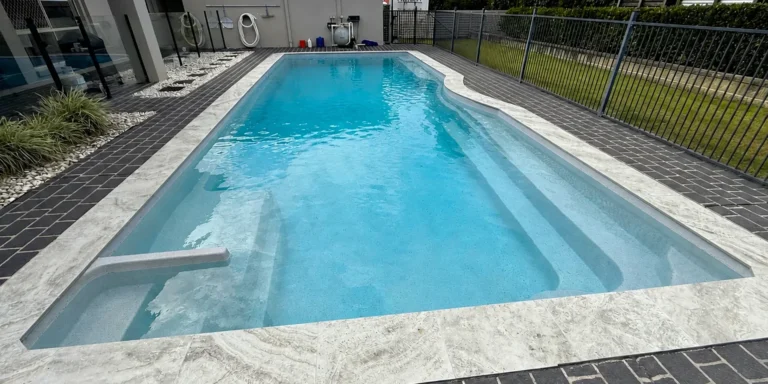
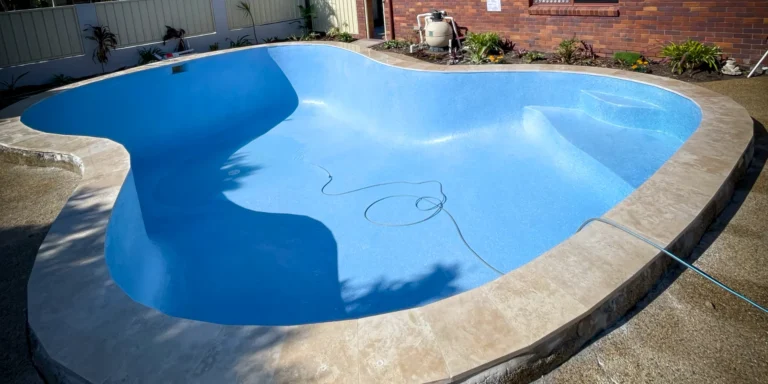
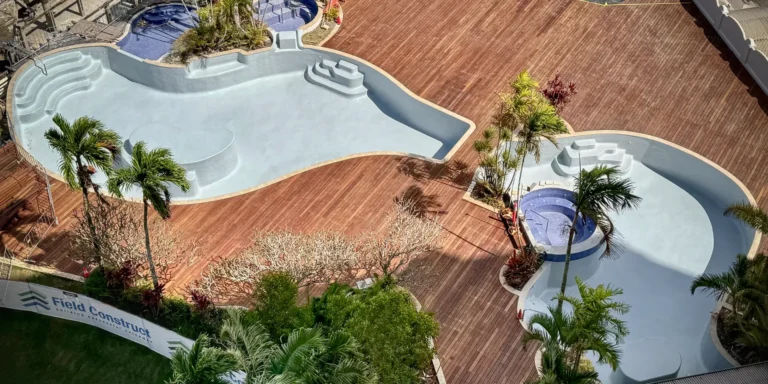
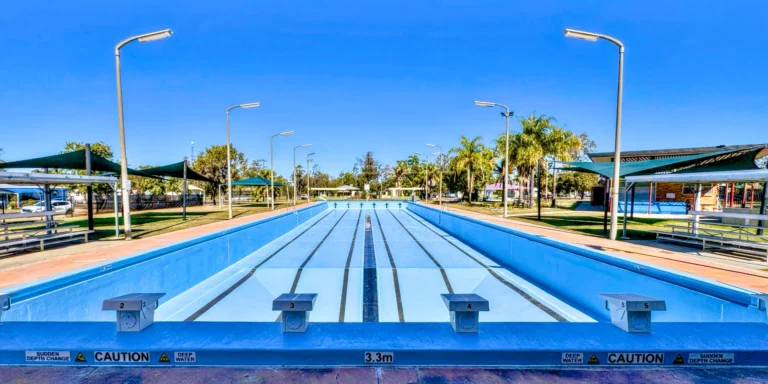
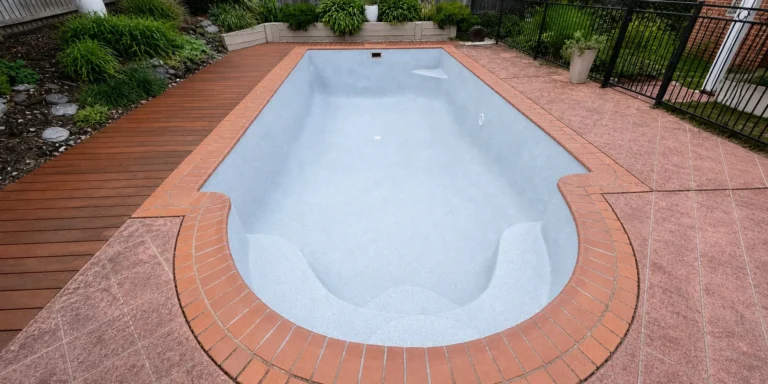
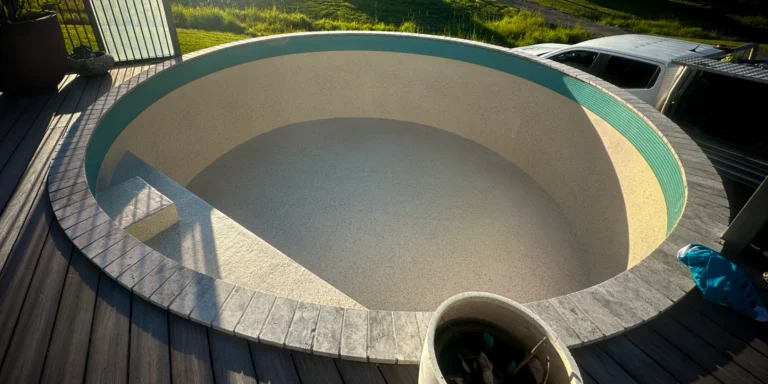
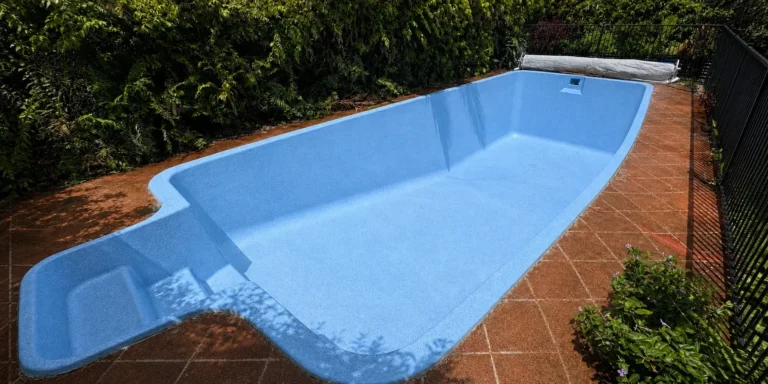
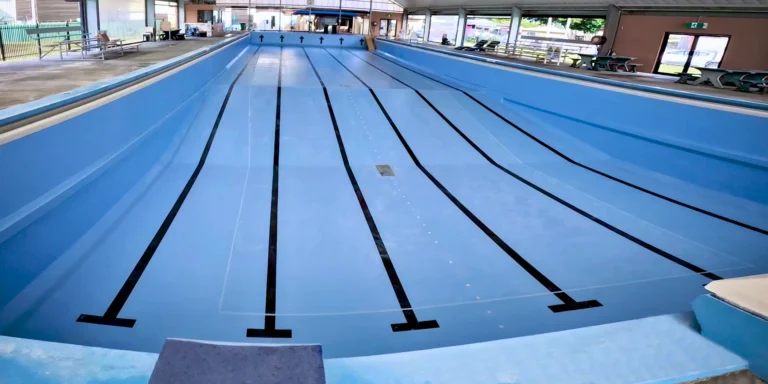
These photographs show preparation and repair stages from projects involving this pool problem. The exact approach is confirmed after inspection and once the pool has been emptied and the shell condition is exposed.
Every pool is assessed individually, and the precise repair depends on the shell, substrate and site conditions. Where repair is suitable, the work generally follows five stages—from confirming the scope through to the reinforced lining, finish and handover.
We review the pool details and photographs and arrange a site inspection where required. Crack patterns, displacement, water loss, hollow areas and signs of movement are assessed. Once the pool is empty, the exposed shell can be inspected more closely and the appropriate repair scope confirmed.
Crack patterns are assessed for displacement, water entry and signs of ongoing movement. The surrounding surface and affected areas are opened and prepared back to sound material, exposing the extent of each defect. Significant or potentially active structural cracking may require assessment by a structural engineer before treatment is confirmed.
Prepared cracks are treated according to their width, depth and likely movement, then filled and levelled to restore the pool profile. Additional reinforcement or a movement-accommodating detail may be required where limited movement is expected. Significant or potentially active structural cracking may require assessment by a structural engineer.
A reinforced fibreglass lining is applied across the prepared pool interior to form one continuous system. Additional layers are incorporated over repaired cracks and adjacent sound areas where required. The completed lining integrates the local repairs and creates an even foundation for the selected AquaGuard finish.
Two UV-stabilised AquaGuard top coats are applied in the selected colour, followed by the chosen speckle finish. Once cured, the completed surface is inspected, applicable fittings are refitted and the hydrostatic valve is replaced where required. Guidance is then provided for refilling, initial water balancing and ongoing care.
Tell us where the cracking is visible, when you first noticed it and whether the pool appears to be losing water. Clear overall and close-up photographs help us understand the visible condition before we contact you.
Pool crack assessment enquiry
A fine hairline crack is not automatically structural, but its width alone does not determine the risk. Location, depth, direction, displacement, moisture, surrounding soundness and whether it is growing are all important. Fine crazing may be limited to the surface, while a crack through the shell can admit water or indicate movement. Photograph and mark the crack so changes can be monitored, and arrange an assessment if it is widening, leaking, recurring through repairs or associated with movement.
Ongoing water loss, damp ground, staining, water movement at the crack or a bucket test that confirms abnormal loss can indicate leakage, although the actual source may be elsewhere. Structural concern increases where the crack is displaced, widening, repeated through an earlier repair or accompanied by settlement, bowed walls or movement at steps and fittings. Neither condition can be confirmed from a photograph alone. Leak testing and inspection of the surrounding shell are used to determine whether lining repair, plumbing work or structural investigation is required.
Yes, cracks and areas of crazing can be repaired as part of the resurfacing process. We assess the crack first, prepare the area, make the repair and reinforce it where required before applying the new finish.
Resurfacing can incorporate a reinforced repair into a continuous lining, but the underlying cause must be stable. If settlement, hydrostatic pressure, an active movement joint or lost support continues, a repaired crack can reopen or appear nearby. The crack and surrounding shell should be opened to sound material and assessed before the reinforcement and lining are specified. Significant movement may require drainage, support, plumbing or engineering work before resurfacing can provide a reliable finished surface.
Send us a few photos and our team can help identify the likely issue and the most suitable next step.