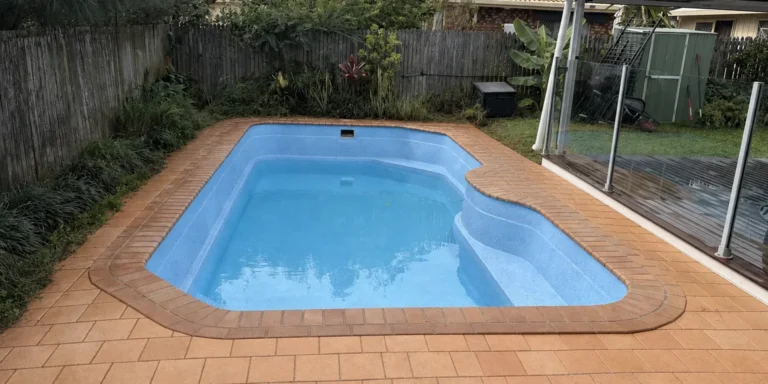
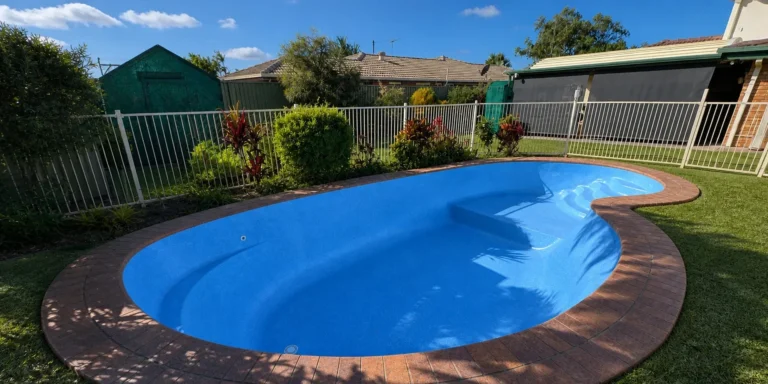
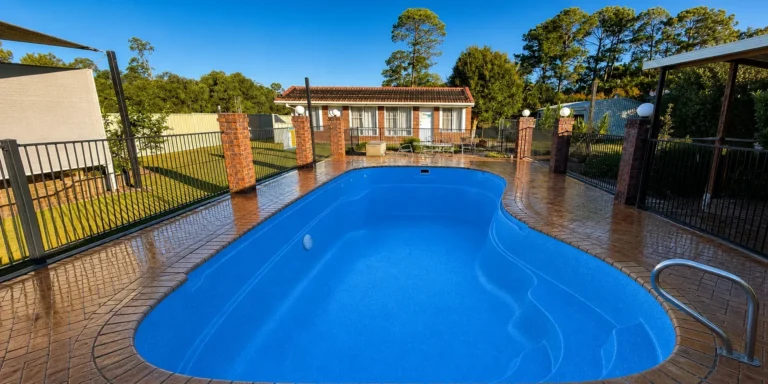
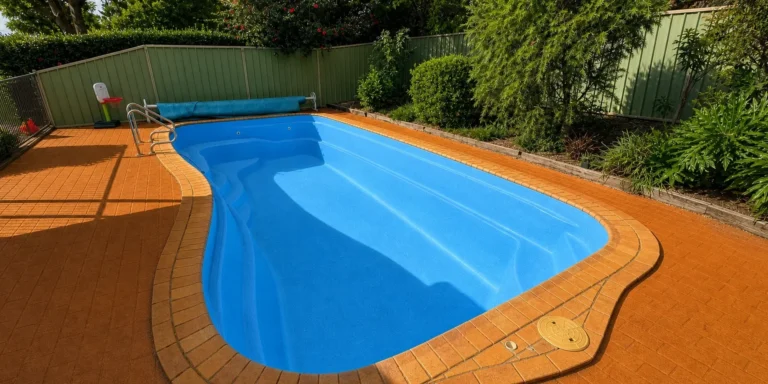
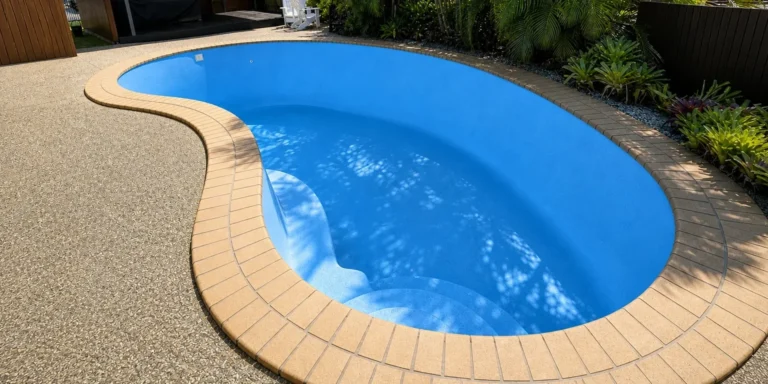
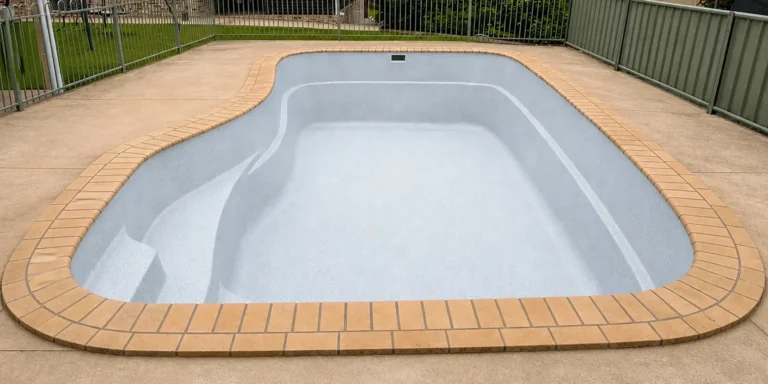
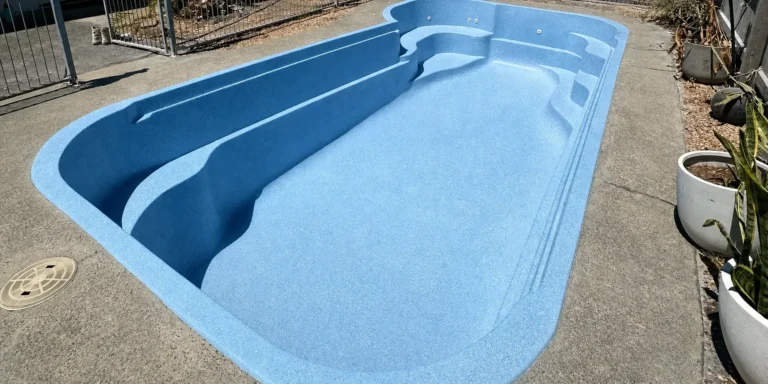
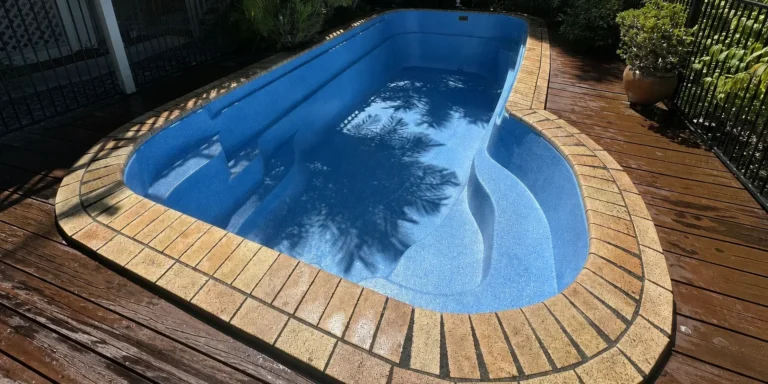
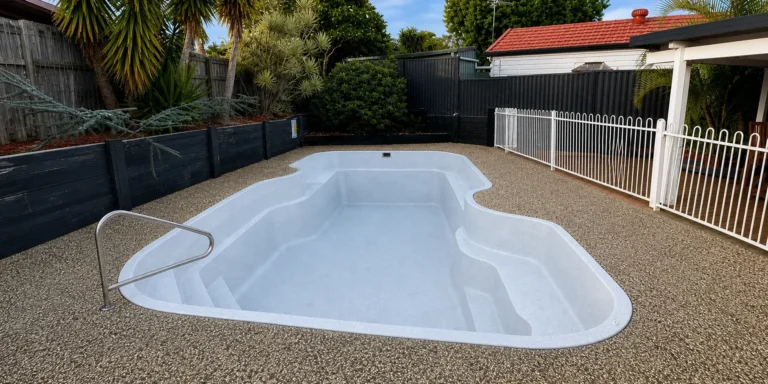
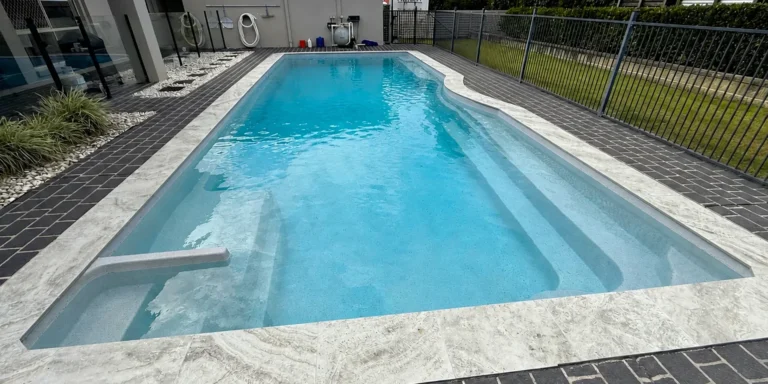
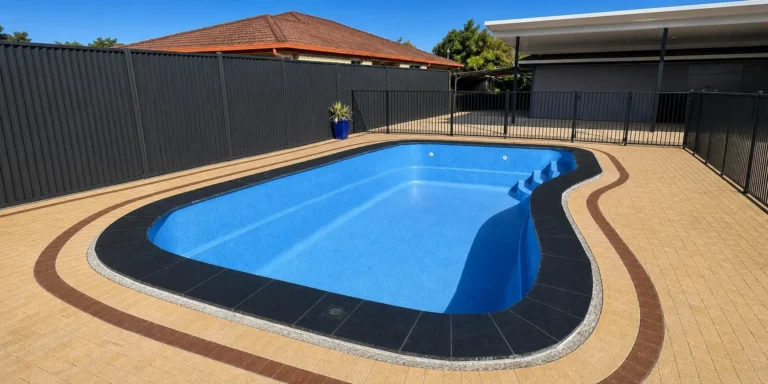
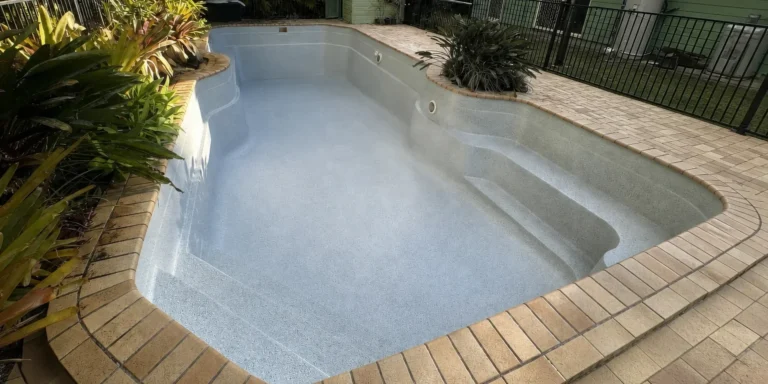
In February 2022, Fibreglaze restored the 8 x 4.2 m fibreglass pool in Inverell, New South Wales. The shell presented with cracking, wall and floor deformation, and a stained, rough or dated finish, requiring careful assessment and structural repair before resurfacing.
The cracked and deformed areas were repaired, and the stained, rough and uneven surface was corrected with resin-based screeding and filler. A new structural fibreglass laminate was installed, and the pool was completed in Sand Speckle using the Fibreglaze Enduratec finishing system.
These photographs follow the work from the pool’s original condition through preparation and repair to the completed finish.
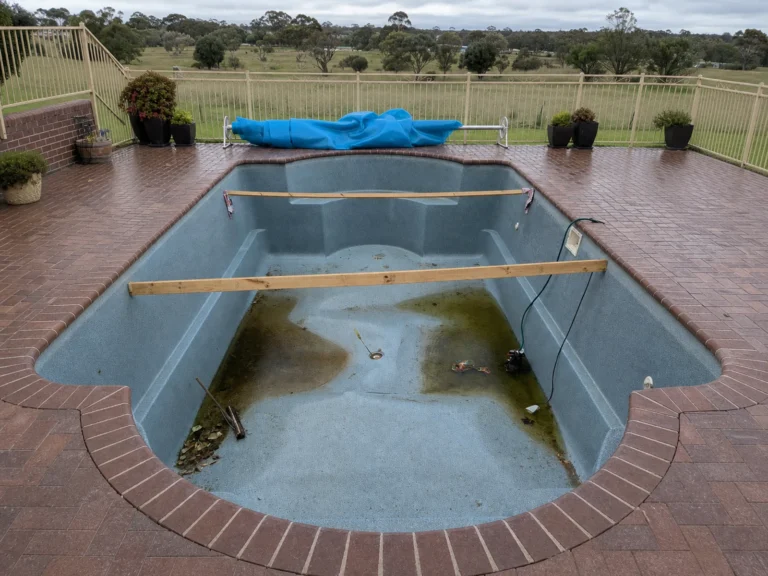
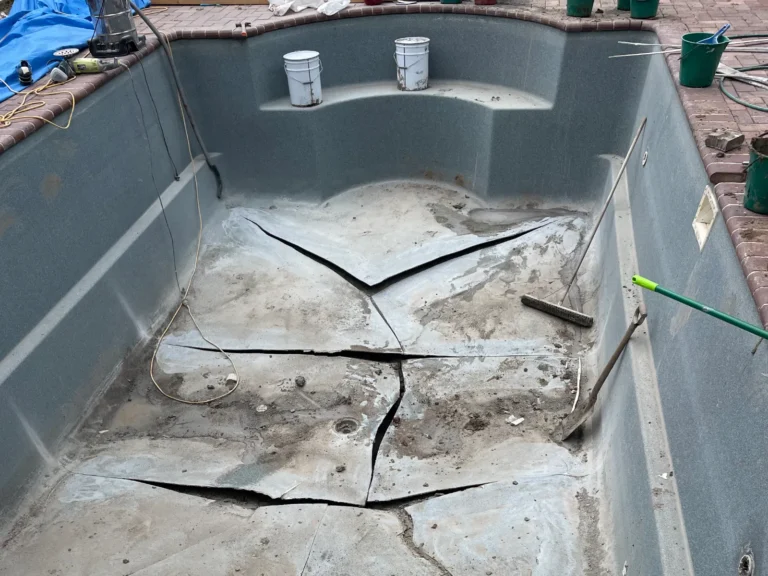
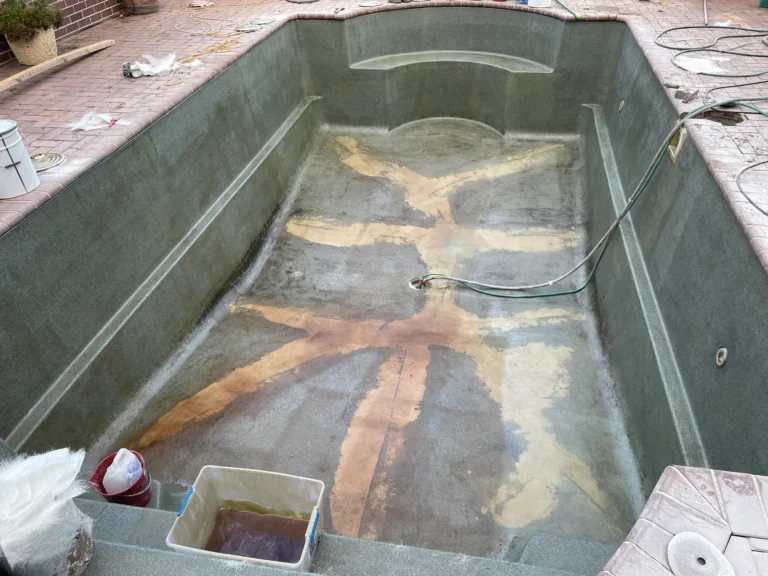
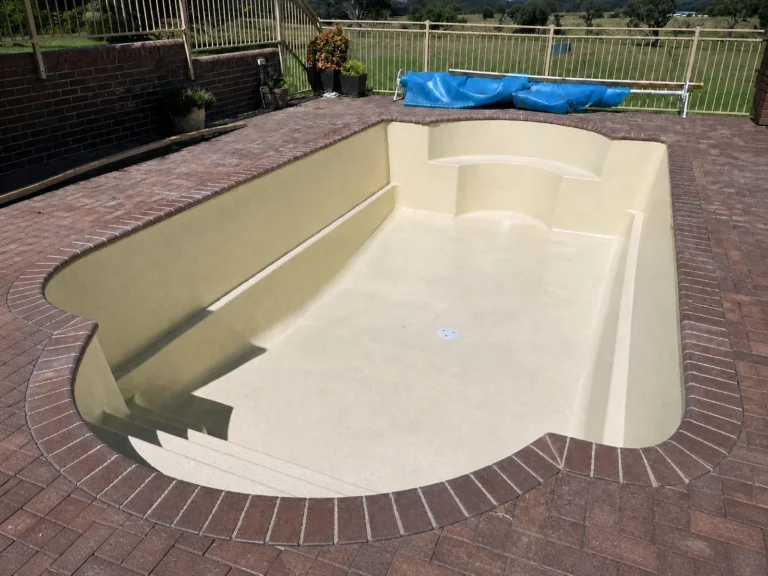
These were the main pool conditions recorded for this project. Select an issue to learn more about its common signs, possible causes and repair considerations.
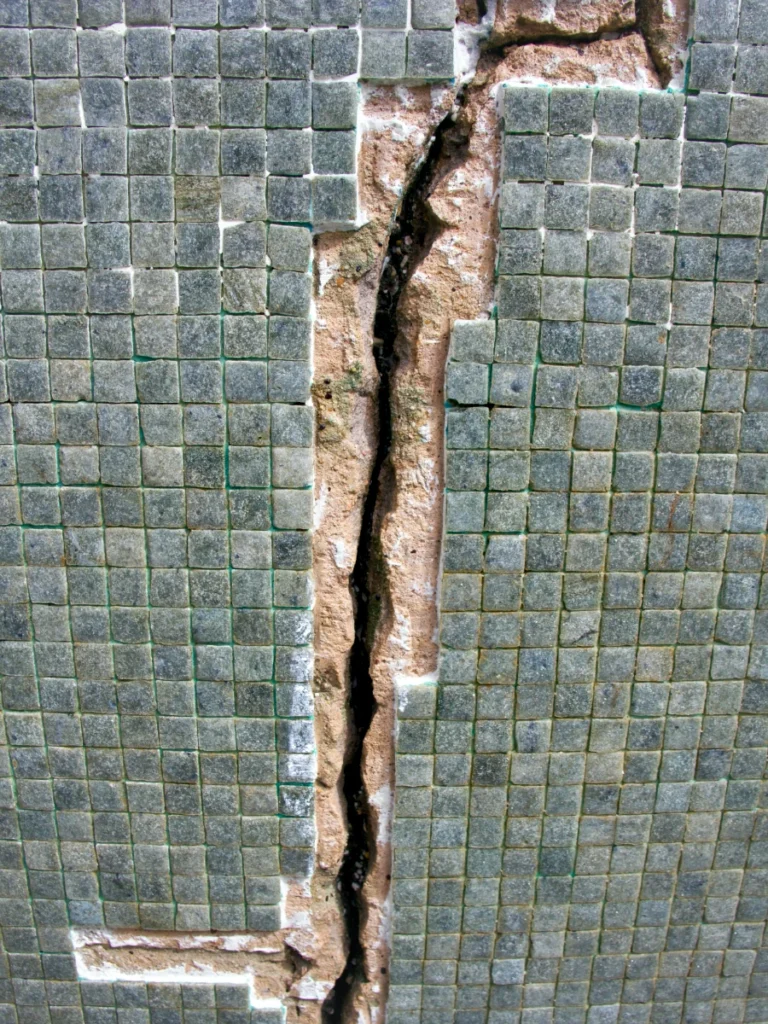
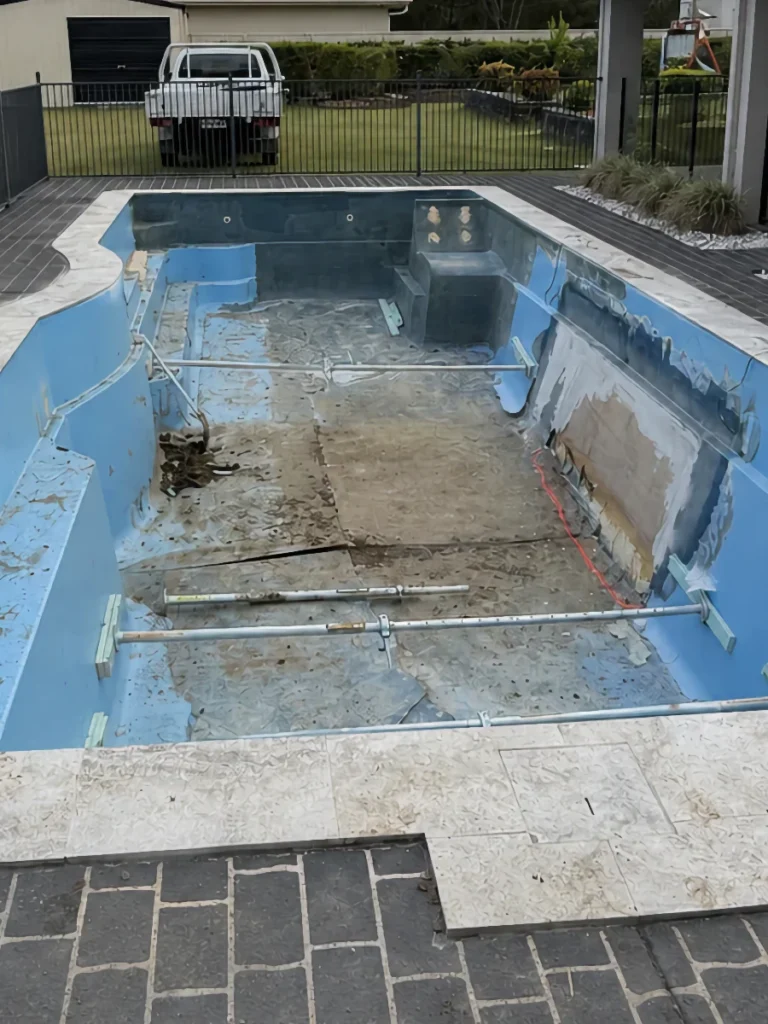
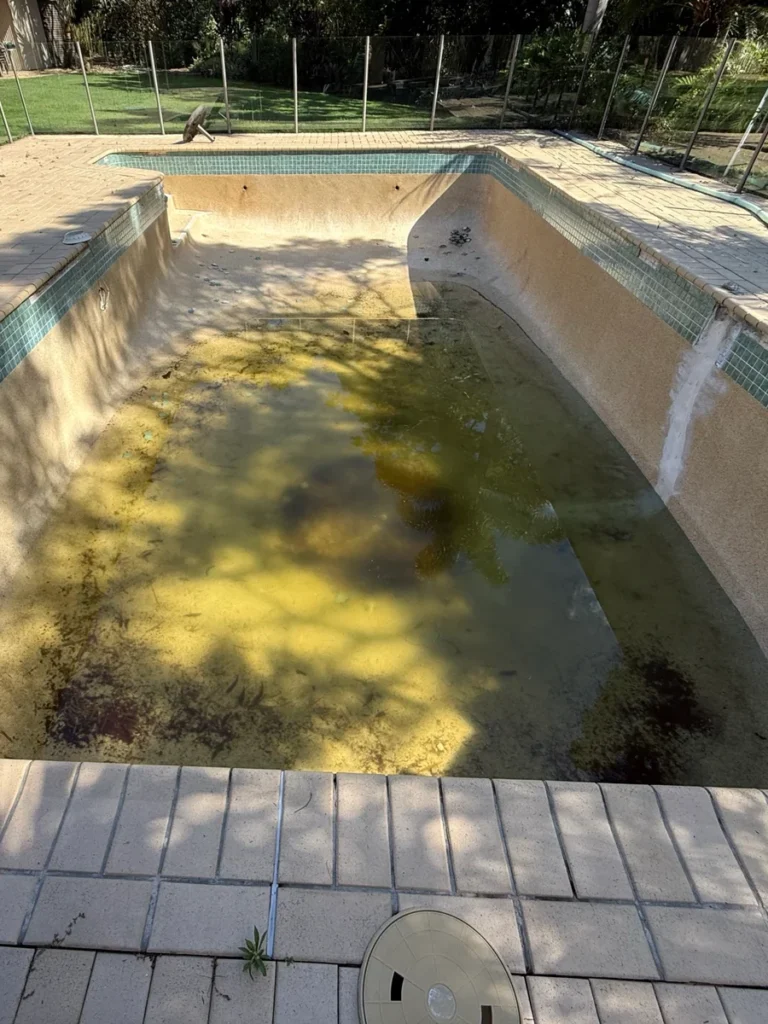
Additional views of the preparation, repair work and completed finish.
The best result we could have dreampt of. Amazing, professional service. Great value for money. Repaired what was deemed unrepairable. Don’t consider anyone else for your pool repair or resurfacing. The attached photos were over a less than 48 hours time-frame from what looked hopeless to almost swimming again. Trust me, don’t trust anyone other than Fibreglaze. These guys are simply the best at what they do!
Answers to common questions about the pool conditions and restoration work shown in this project.
A raised, domed or springy floor often indicates pressure or lost support beneath the fibreglass shell. Groundwater can push upward when the pool is empty or the internal water level is too low, while washed-out, settled or poorly compacted backfill can leave unsupported areas that flex. The shell, groundwater conditions, drainage and surrounding support should all be assessed before repairs are planned. Avoid repeatedly walking on a springy area because continued flexing can place further stress on an ageing laminate.
A fine hairline crack is not automatically structural, but its width alone does not determine the risk. Location, depth, direction, displacement, moisture, surrounding soundness and whether it is growing are all important. Fine crazing may be limited to the surface, while a crack through the shell can admit water or indicate movement. Photograph and mark the crack so changes can be monitored, and arrange an assessment if it is widening, leaking, recurring through repairs or associated with movement.
Pool stain colour alone does not confirm the cause. Brown or rust-coloured marks may involve iron or organic debris; green, grey or black marks can involve algae, copper, manganese or material trapped in a rough surface. Location, texture, recent water changes and the way a small test area responds are more useful than colour by itself. The source also needs attention, such as metals in fill water, corroding equipment, poor circulation or debris, otherwise the stain can return after cleaning.
Fibreglass pool walls rely on the surrounding backfill and the water inside the pool for support. Walls can bow inward when groundwater or wet ground presses against the outside of the shell, when backfill has settled or washed away, or when a lifted floor pulls adjoining walls out of shape. Prolonged empty periods can make the imbalance worse. Repairing the visible curve alone is not enough; the source of pressure, drainage and external support must also be considered.
Ongoing water loss, damp ground, staining, water movement at the crack or a bucket test that confirms abnormal loss can indicate leakage, although the actual source may be elsewhere. Structural concern increases where the crack is displaced, widening, repeated through an earlier repair or accompanied by settlement, bowed walls or movement at steps and fittings. Neither condition can be confirmed from a photograph alone. Leak testing and inspection of the surrounding shell are used to determine whether lining repair, plumbing work or structural investigation is required.
Many stains can be treated without resurfacing when the underlying finish is sound and the stain type is correctly identified. Organic, metal and mineral deposits require different treatment approaches, so the safest starting point is water testing and a controlled test on a small area. Resurfacing becomes more relevant when stains are deeply embedded, repeatedly return through a porous surface, or occur with widespread roughness, pitting, peeling or earlier failed repairs. Correcting the stain source remains important after either treatment.
Send us a few photos and our team can help identify the likely issue and the most suitable next step.