
From inside the pool, both constructions can look much the same. The important difference is what sits beneath the visible finish, because that changes what must be inspected, removed, repaired and retained.
The fibreglass laminate forms the pool shell.
Assessment considers surface wear, laminate condition, previous repairs, shell shape, surrounding support and groundwater conditions. After planned emptying, the exposed shell determines the preparation and repair scope.
The concrete forms the shell; fibreglass is the bonded interior lining.
Assessment focuses on the condition and bond of the existing lining. Firmly bonded material may remain where suitable, while hollow, lifted or deteriorated areas are removed back to a sound base and repaired before relining.
Not sure how your pool is constructed? Send us clear photos of the pool, including any visible damage. These will usually help us identify the construction type. Please do not empty the pool simply to investigate; emptying must be planned to suit the pool construction and site conditions.
Once the pool is exposed, the construction beneath the finish changes what can be retained, what must be removed and how the repair zones are rebuilt. The actual condition sets the final scope—not age, colour or appearance alone.
The fibreglass itself forms the pool structure, so shell condition, distortion, previous repairs, surrounding support and groundwater all inform the plan.
Map surface wear, osmosis, cracking, delamination and local deformation.
Remove degraded surface material and open blisters or separated areas where present.
Repair and reinforce damaged laminate before it is integrated into the complete lining.
The concrete forms the pool structure, so preparation starts by establishing which parts of the existing fibreglass lining remain firmly bonded.
Identify firmly bonded, hollow, lifted or moisture-affected areas.
Retain only suitable material and expose affected concrete where required.
Treat the concrete and retained fibreglass so the interior has a stable, even profile.
Pool-specific repairs are integrated into a continuous reinforced fibreglass lining and selected AquaGuard finish—the visible outcome of the Enduratec System.
Moulded fibreglass pools and fibreglass-lined concrete pools can show similar symptoms, but the condition beneath the finish may be different. These are the problems most relevant when assessing the preparation required for full resurfacing.
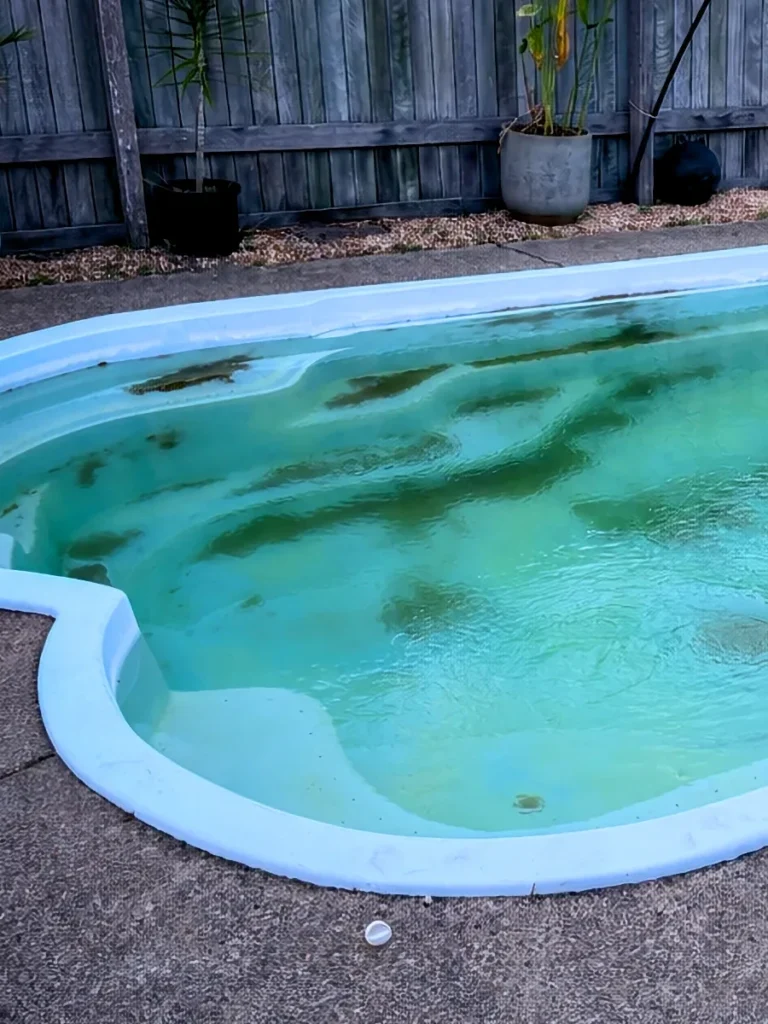
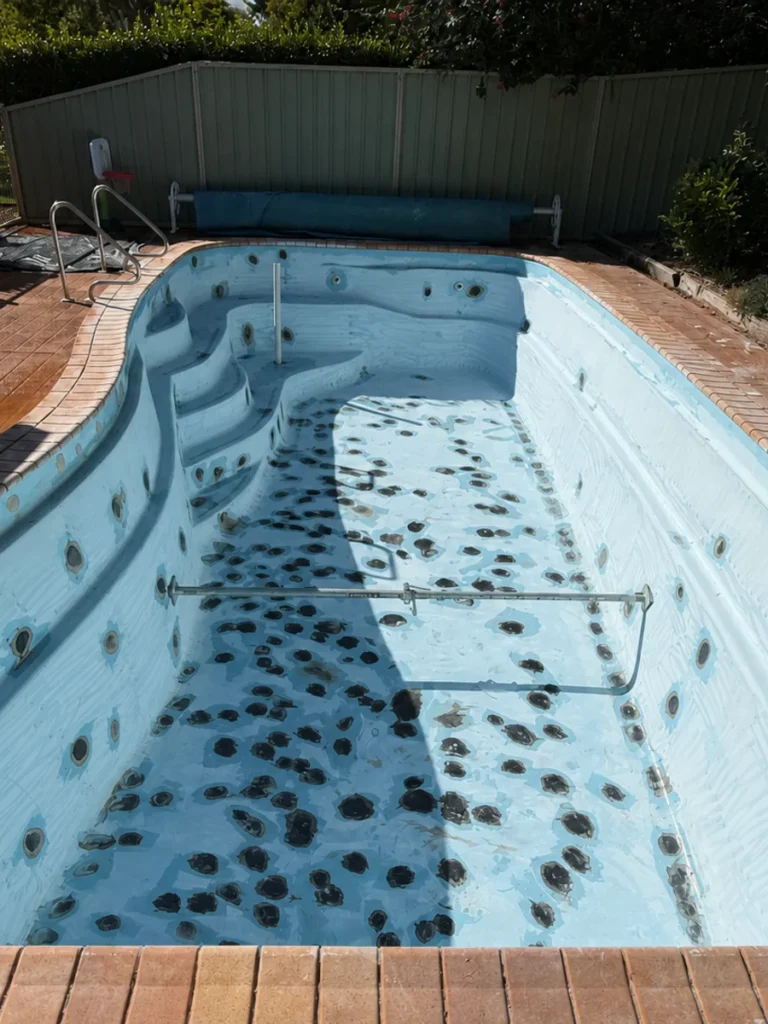
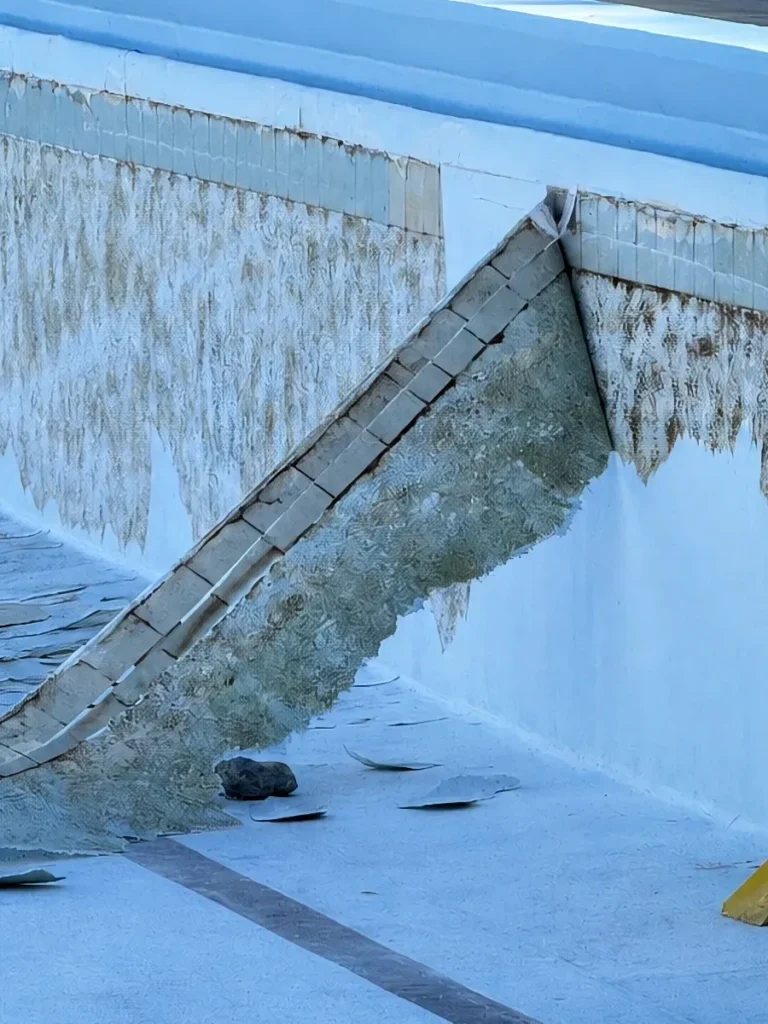
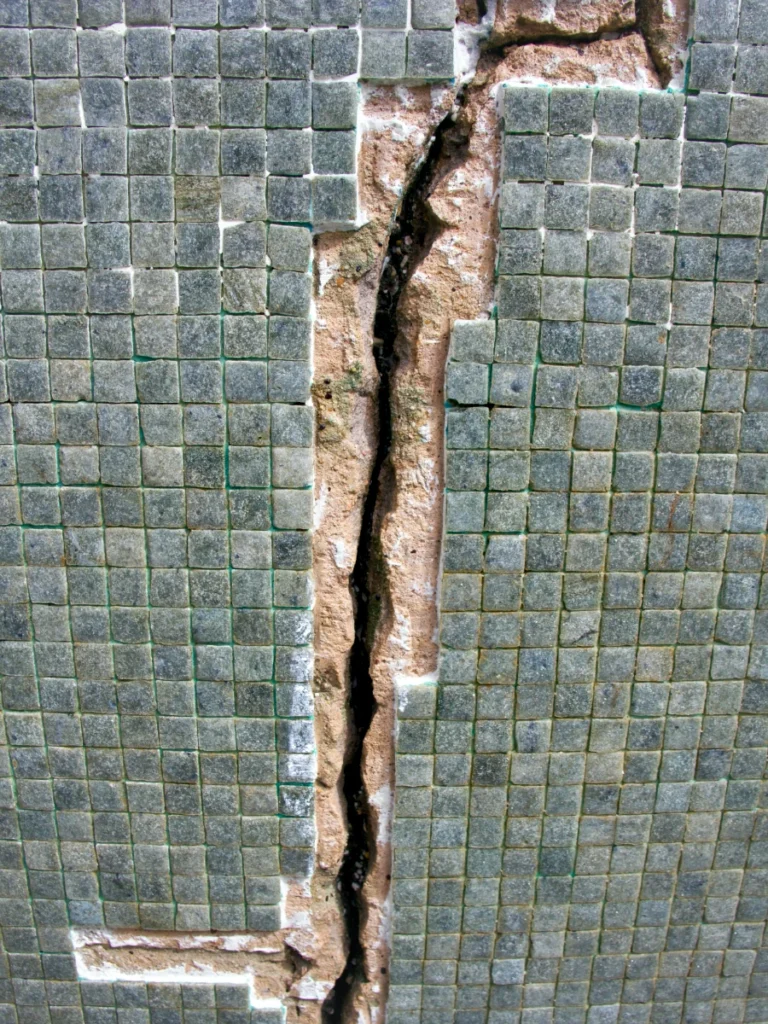
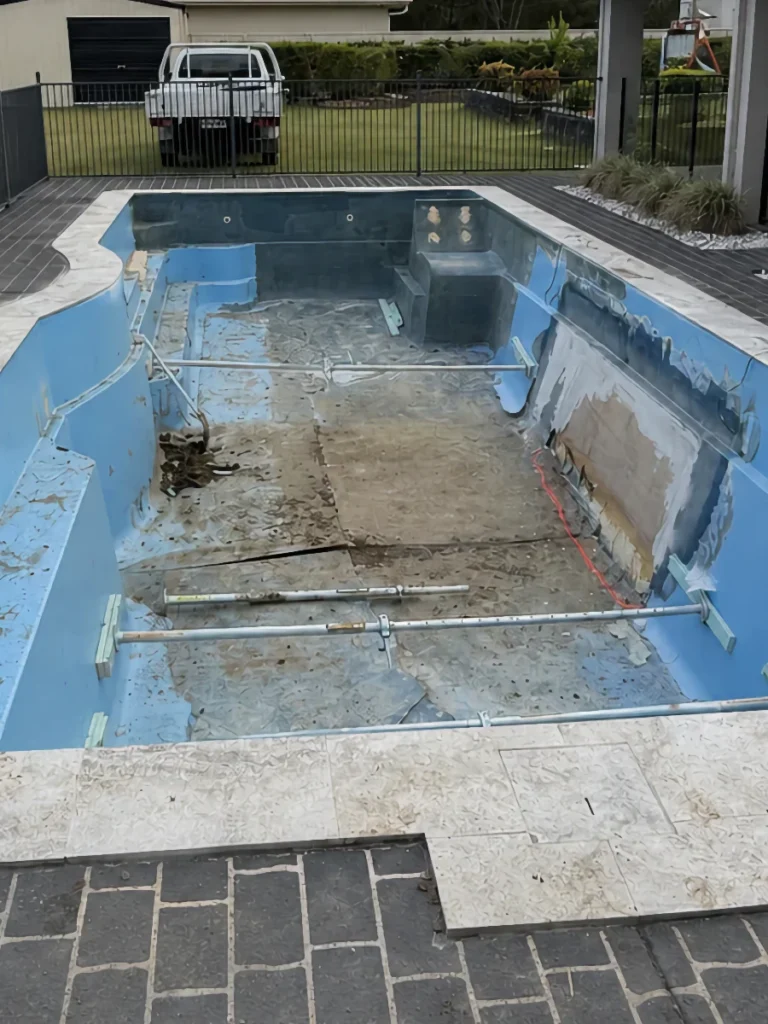
Several conditions can occur together, and the visible boundary may not show the full extent. The final preparation and resurfacing scope is confirmed from the pool construction and exposed condition.
These projects began with different pool constructions and defects. The preparation and repairs were tailored to each starting point before the continuous lining and selected AquaGuard finish were installed.
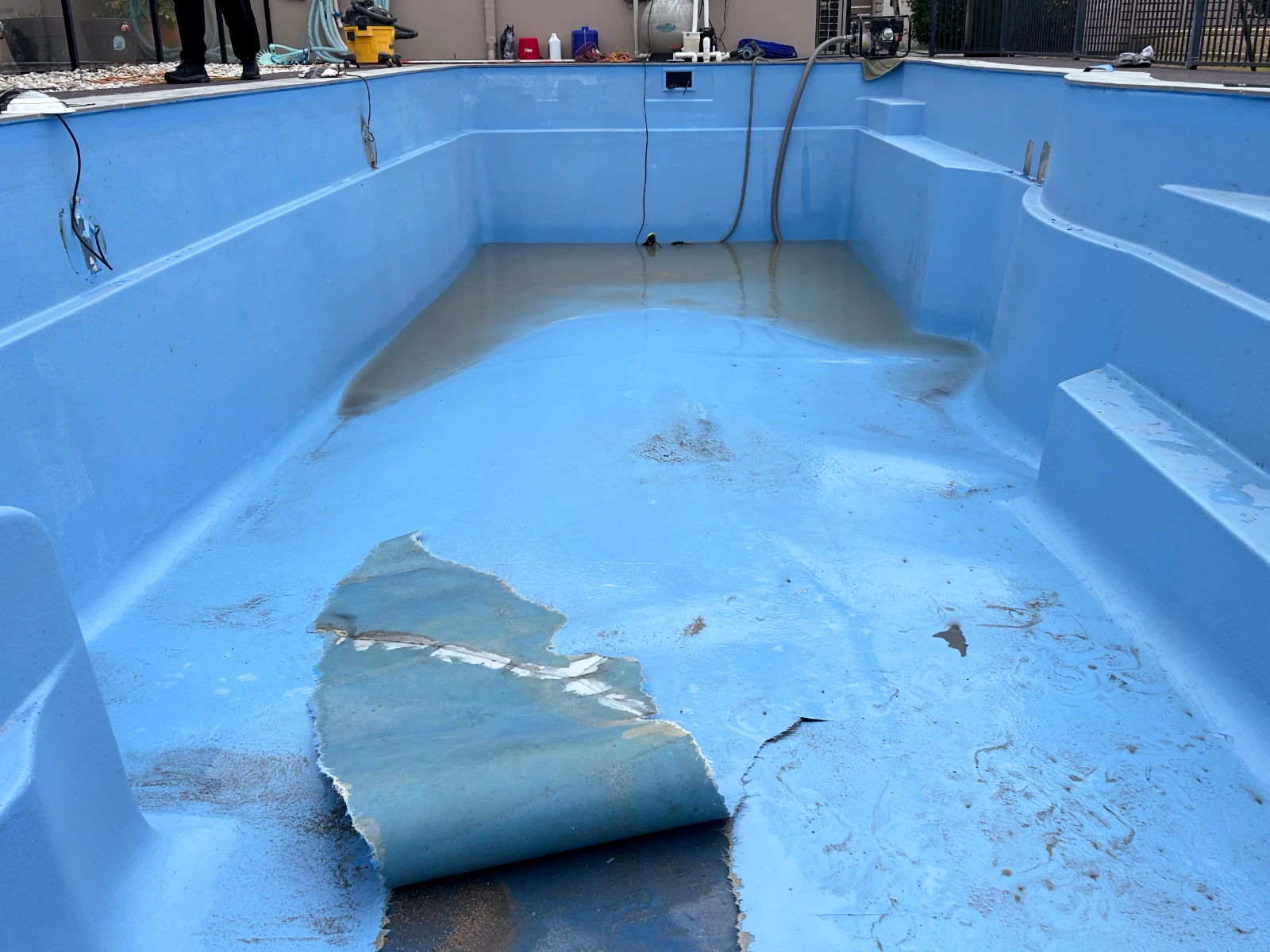
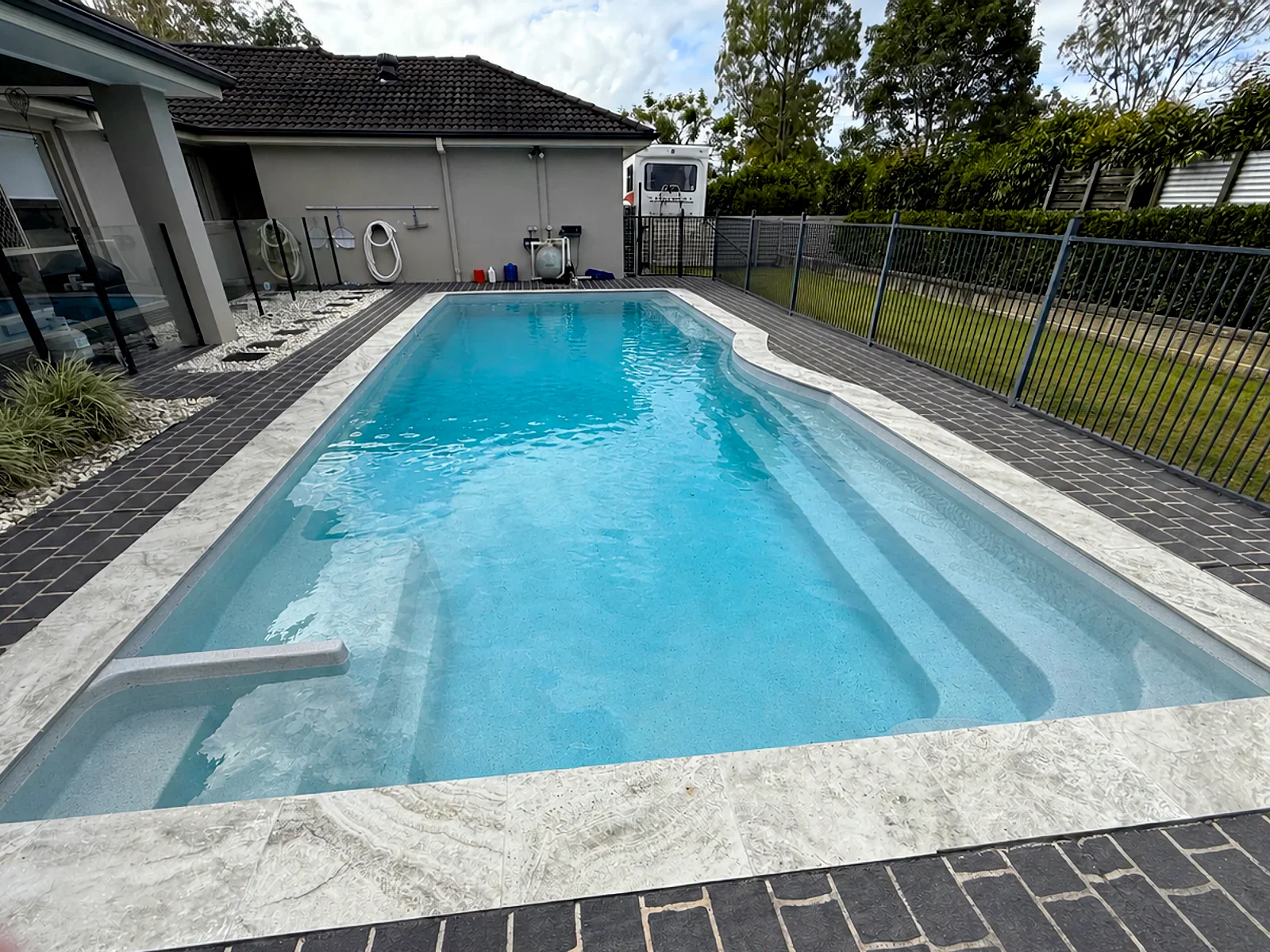
Damaged areas were prepared, rebuilt and levelled before the continuous reinforced lining and Dove Grey Speckle AquaGuard finish were installed.
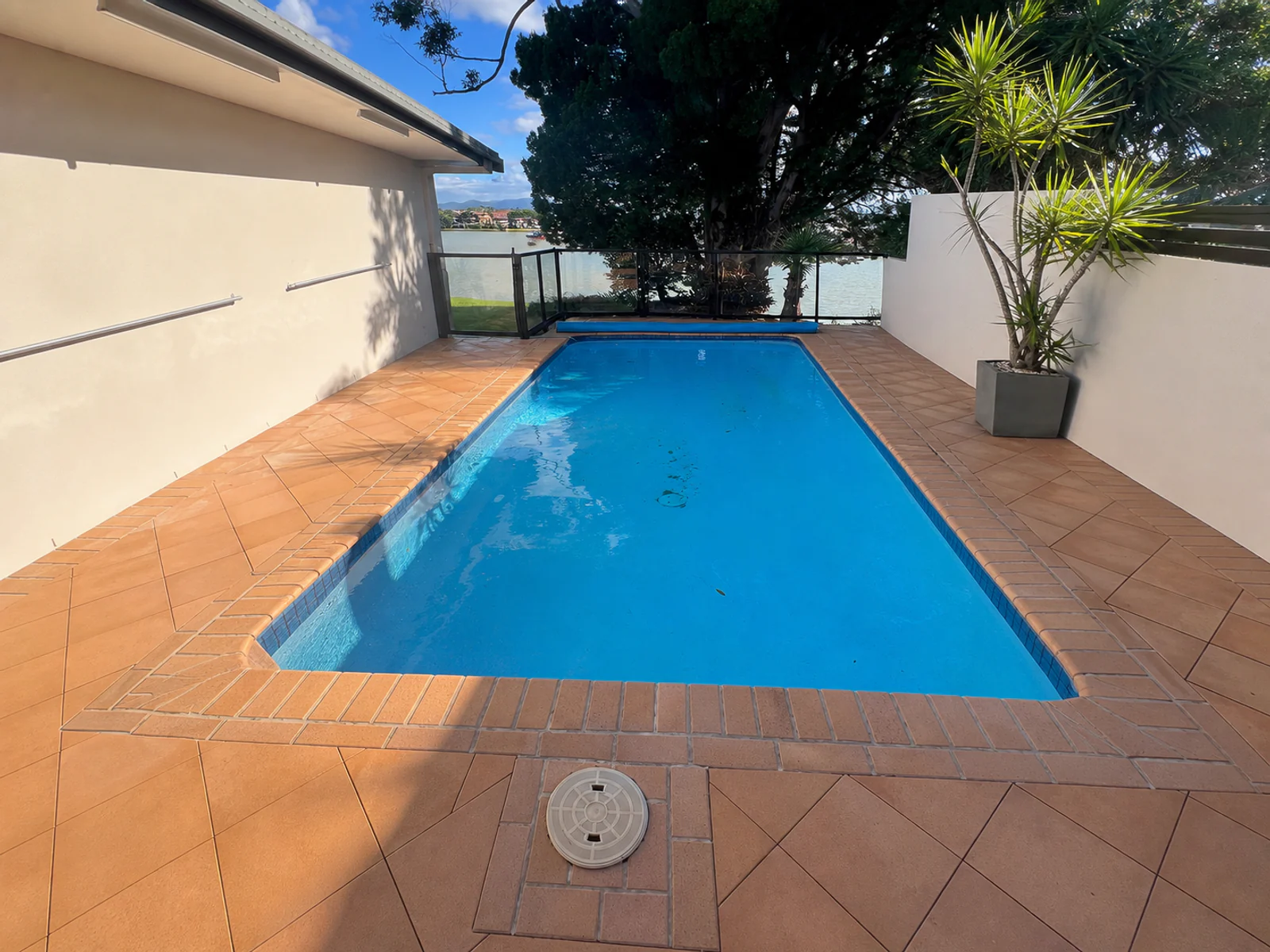
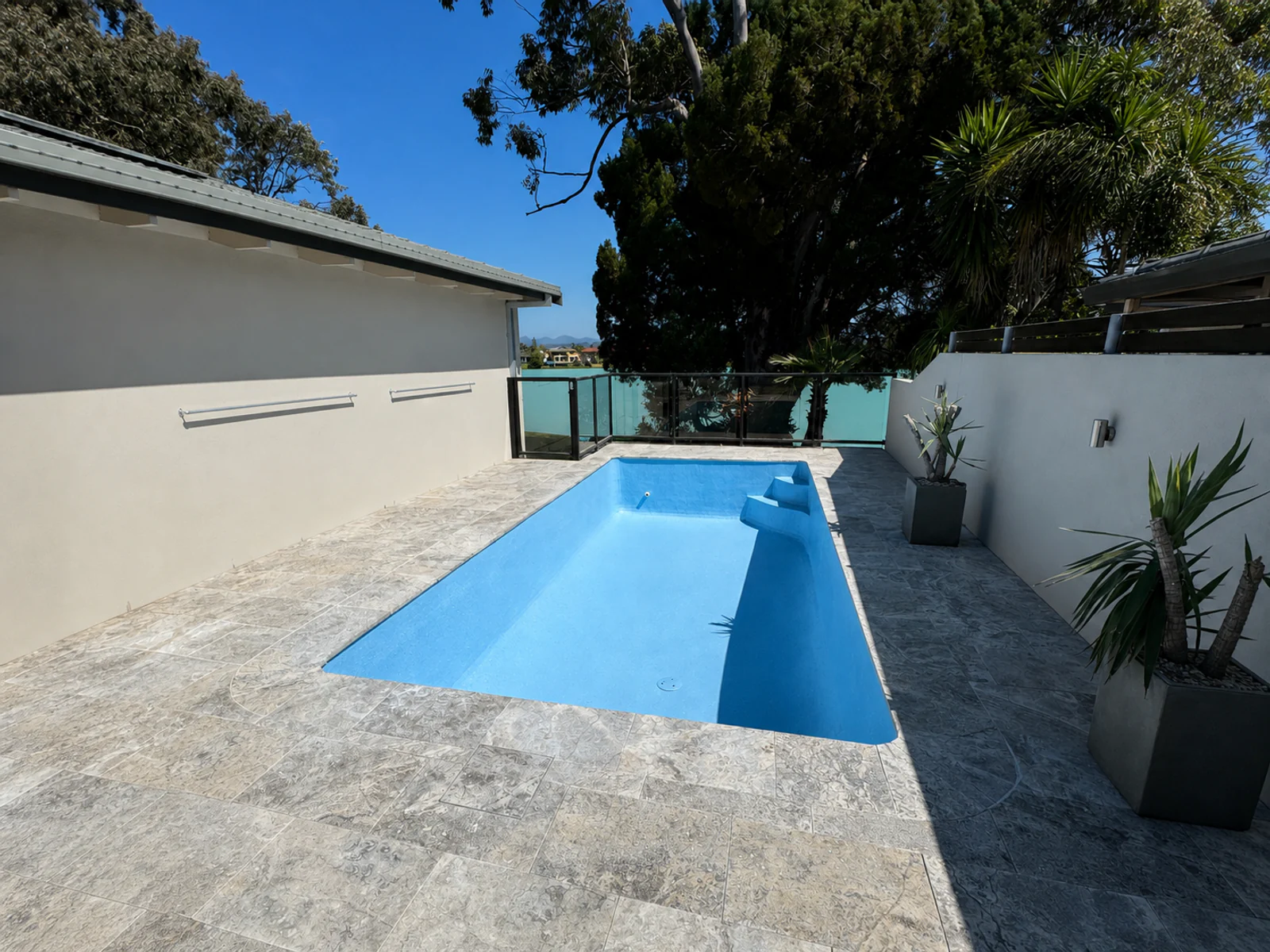
Separated and uneven areas were prepared and repaired before the continuous lining and Lagoon Blue Speckle AquaGuard finish were installed.
Share what you can see and what you know about the pool. This information supports the first review, but photographs alone may not confirm whether the fibreglass forms the shell or lines a concrete pool.
A site inspection or planned exposure may still be required before the construction and final scope can be confirmed.

Existing fibreglass pool resurfacing enquiry
Send us a few photos and our team can help identify the likely issue and the most suitable next step.