
These interiors differ in texture and construction, but each requires the same first decision: what remains sound enough to prepare and what must be removed. The answer depends on the bond and exposed condition after the pool is emptied—not its age or appearance alone.
Coarse aggregate held in a cement-based finish.
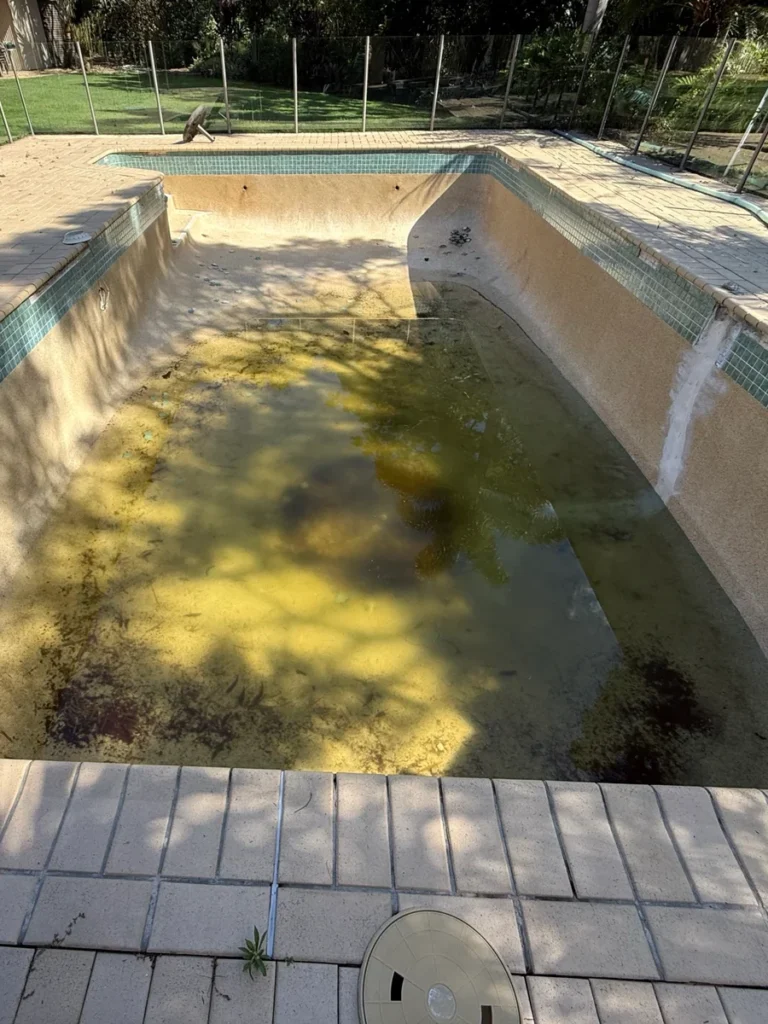
Pebblecrete can become rough, stained and patchy as the cement matrix wears. Sound areas may be prepared, while loose or weak material is removed and the deeply textured surface repaired and levelled.
Fine marble aggregate held in a cement-based finish.
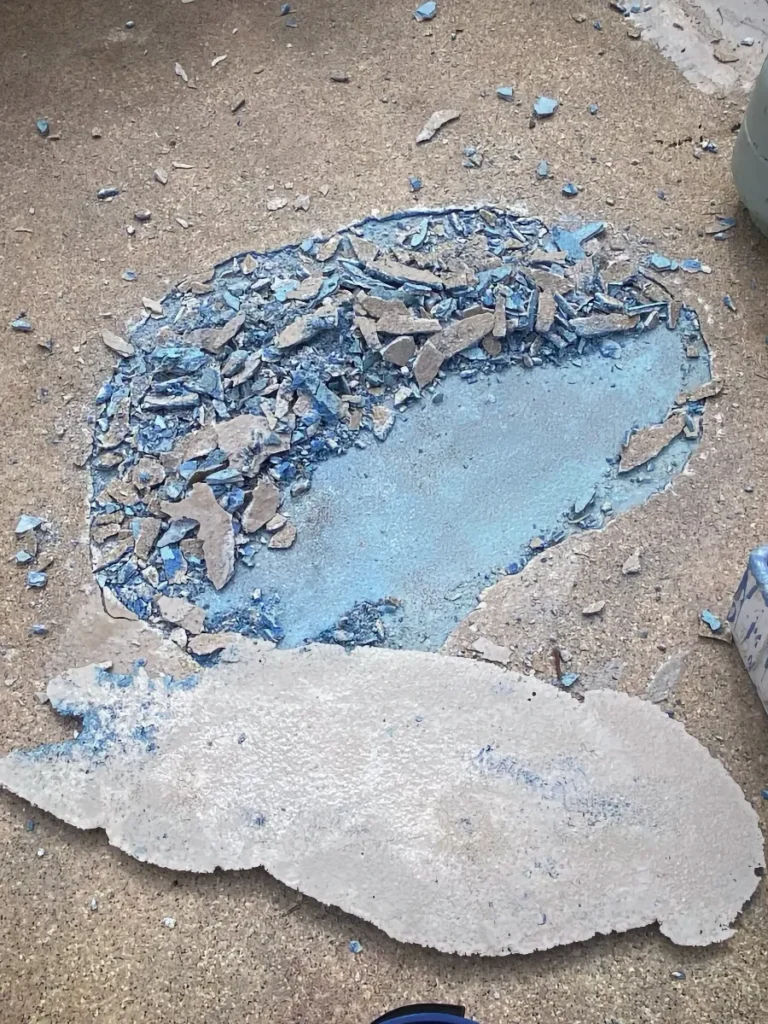
Marblesheen can wear into a rough, porous or uneven surface. Firmly bonded areas may be retained and prepared, while weak or hollow sections are removed and repaired before levelling.
Tiles, grout, adhesive and bedding form the visible interior.
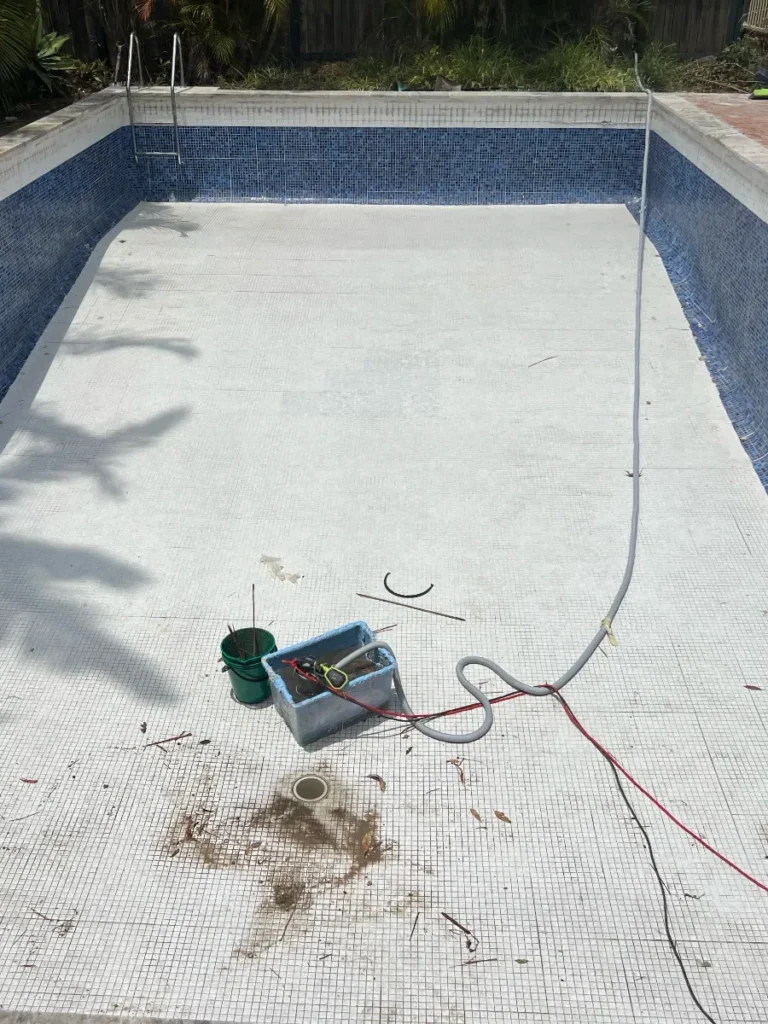
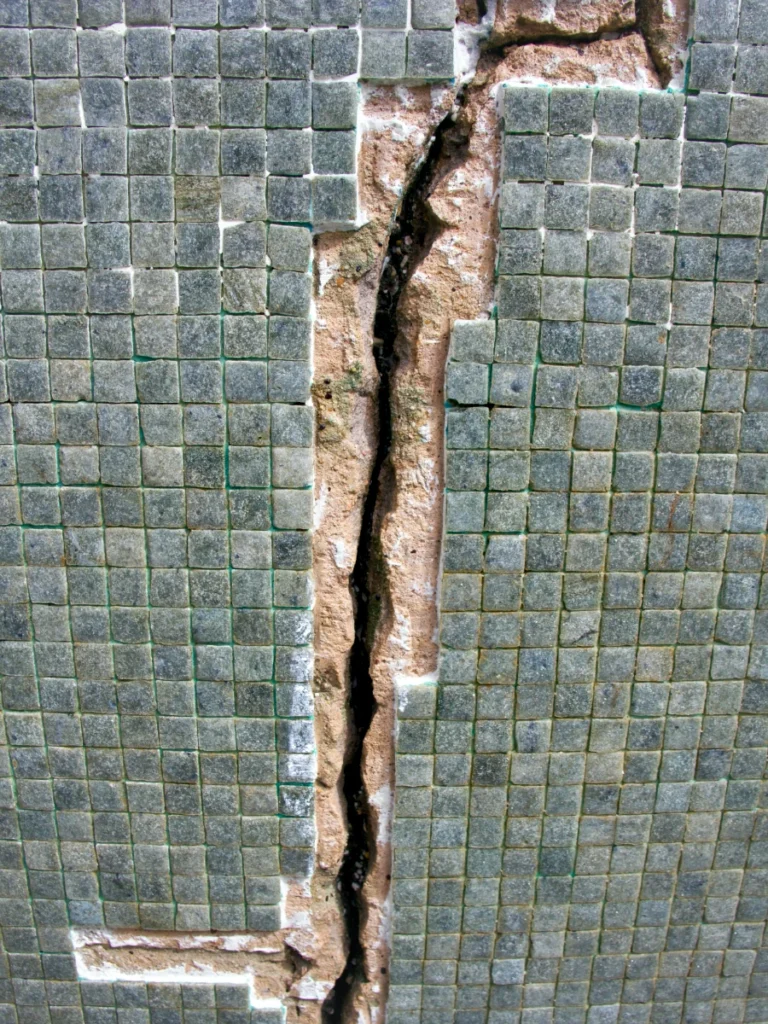
A bond survey maps loose, hollow or cracked areas. Suitable bonded sections may remain, while unstable material and uneven transitions must be treated before lining.
Not sure which finish you have—or whether it can stay? Send clear overall and close-up photographs. They will usually help us identify the existing surface and visible condition. Do not empty the pool simply to investigate; the final retention and repair scope is confirmed after planned emptying and inspection.
Pebblecrete, Marblesheen and tiled interiors can each contain a mixture of firmly bonded and unsound material. Controlled emptying and inspection establish what may remain, what must be removed and how the resulting repair zones are rebuilt and levelled.
The coarse cement-based finish is assessed for wear, cracks, hollow areas and earlier repairs before the retention boundary is set.
Survey roughness, staining, cracks, hollow areas and previous repairs.
Take loose, weak or poorly bonded Pebblecrete back to a sound edge.
Rebuild removed areas and correct the coarse profile before lining.
The finer cement-based finish is checked for wear, staining, pitting, cracks, drummy areas and uneven earlier repairs.
Distinguish staining and scale from wear, pitting, cracks and hollow areas.
Take drummy or deteriorated material back to firmly bonded edges.
Rebuild losses and level pitting, cracks and earlier repairs.
Tiles, grout, adhesive, bedding, cracks, penetrations and movement joints are assessed as parts of one existing interior.
Map loose or hollow tiles, grout failure, cracks, penetrations and movement joints.
Take failed tiles, adhesive or bedding back to a sound base where required.
Repair removed areas and level grout lines, penetrations and uneven changes.
Where conversion is suitable, prepared areas and repairs are integrated into a continuous reinforced fibreglass lining and selected AquaGuard finish—the visible outcome of the ENDURATEC System.
These symptoms help identify what should be investigated; they do not confirm the final treatment. More than one condition may be present, and the affected area can extend beyond what is visible.
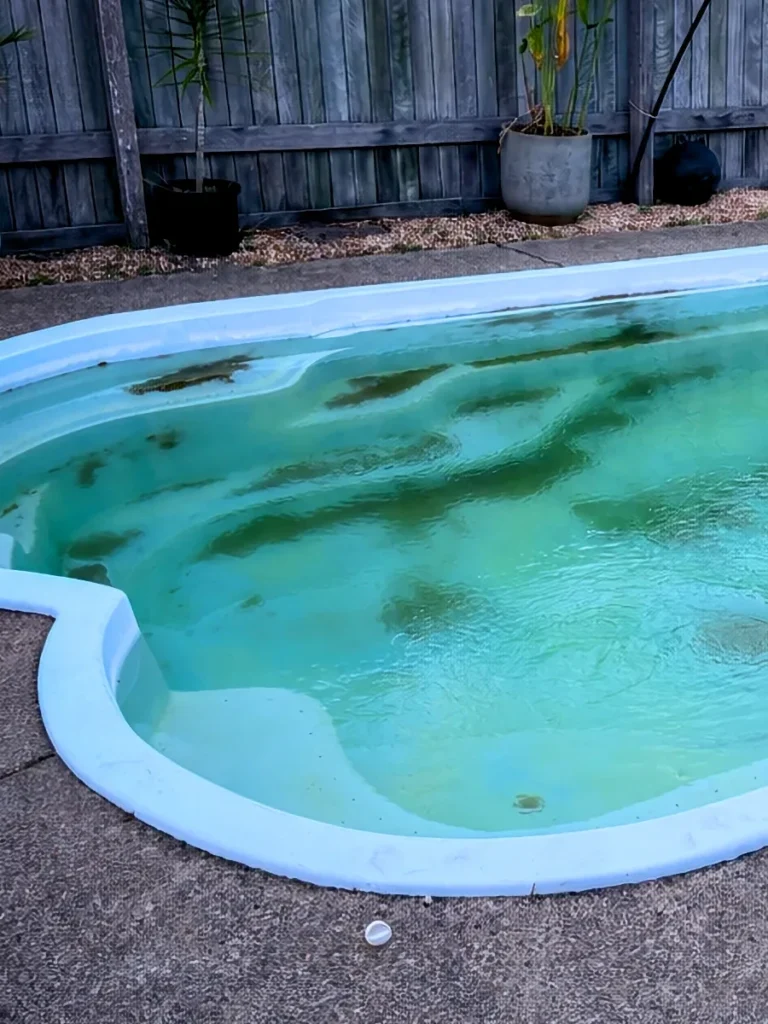
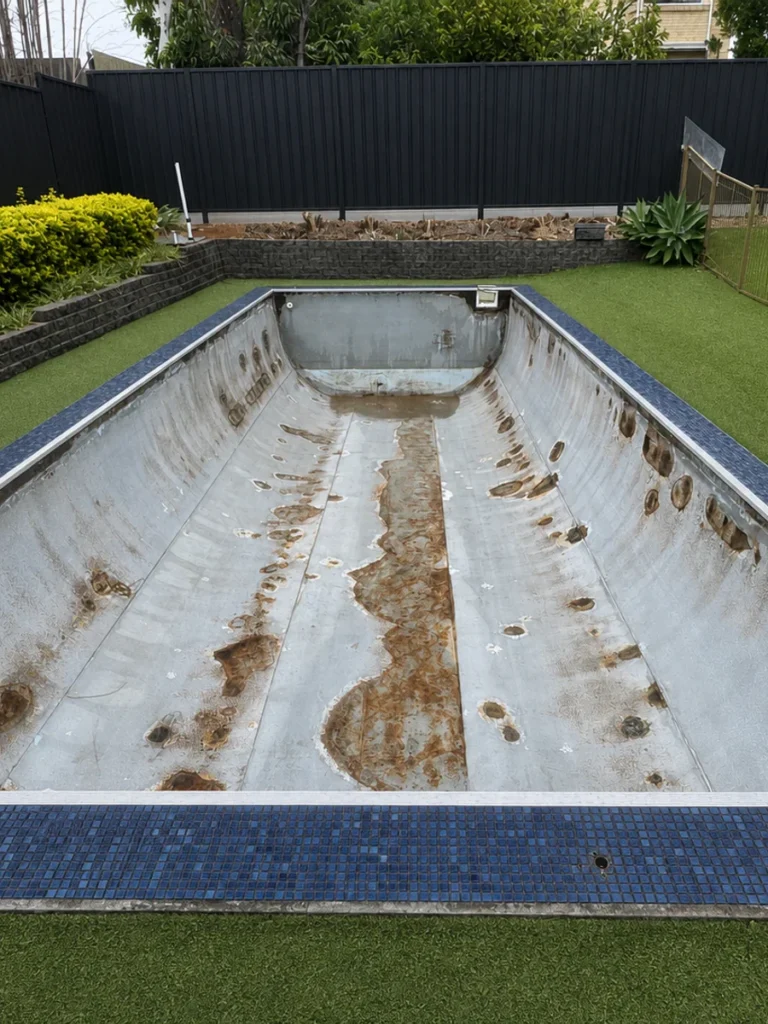
The final preparation and resurfacing scope depends on the exposed condition, bond and underlying cause. Resurfacing does not replace separate plumbing, groundwater or active-movement solutions where those are required.
These projects began with different retained finishes and defects. Preparation and repairs were tailored to each exposed condition before the continuous lining and selected AquaGuard finish were installed.
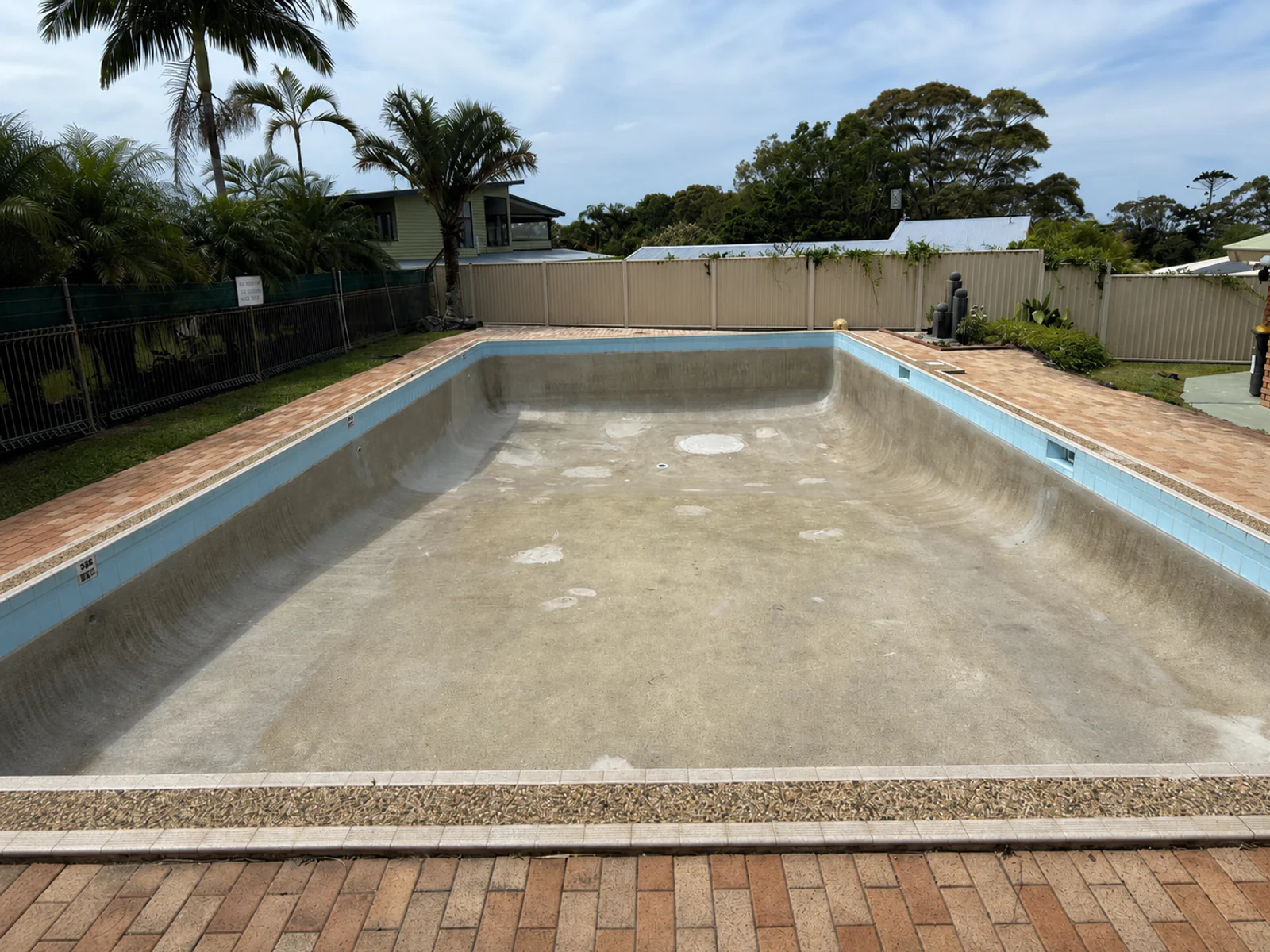
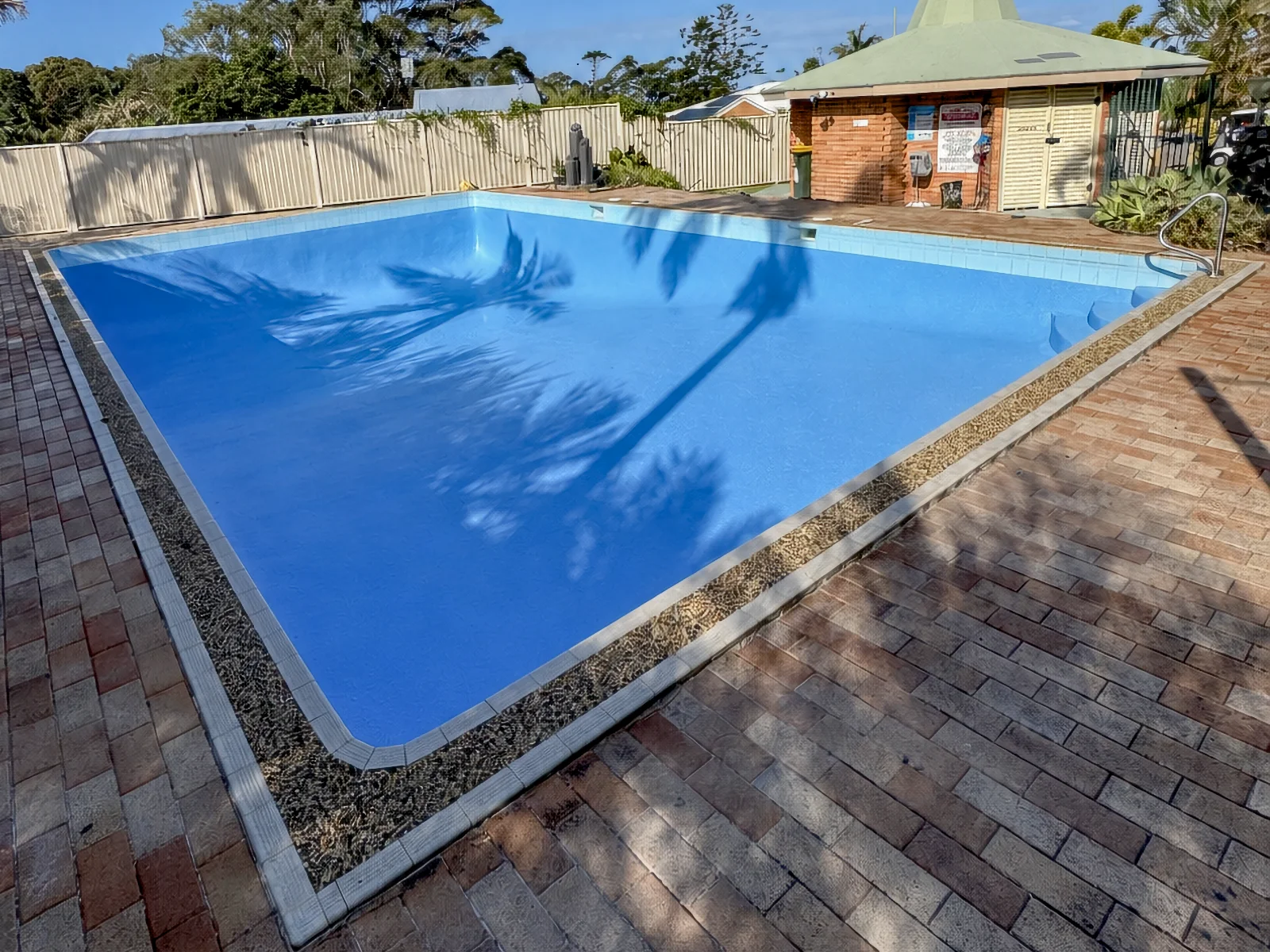
Loose or hollow Pebblecrete was removed back to a sound edge and the affected areas rebuilt. The rough and uneven surface was prepared and levelled before the continuous reinforced lining and Sapphire Blue Speckle AquaGuard finish were installed.
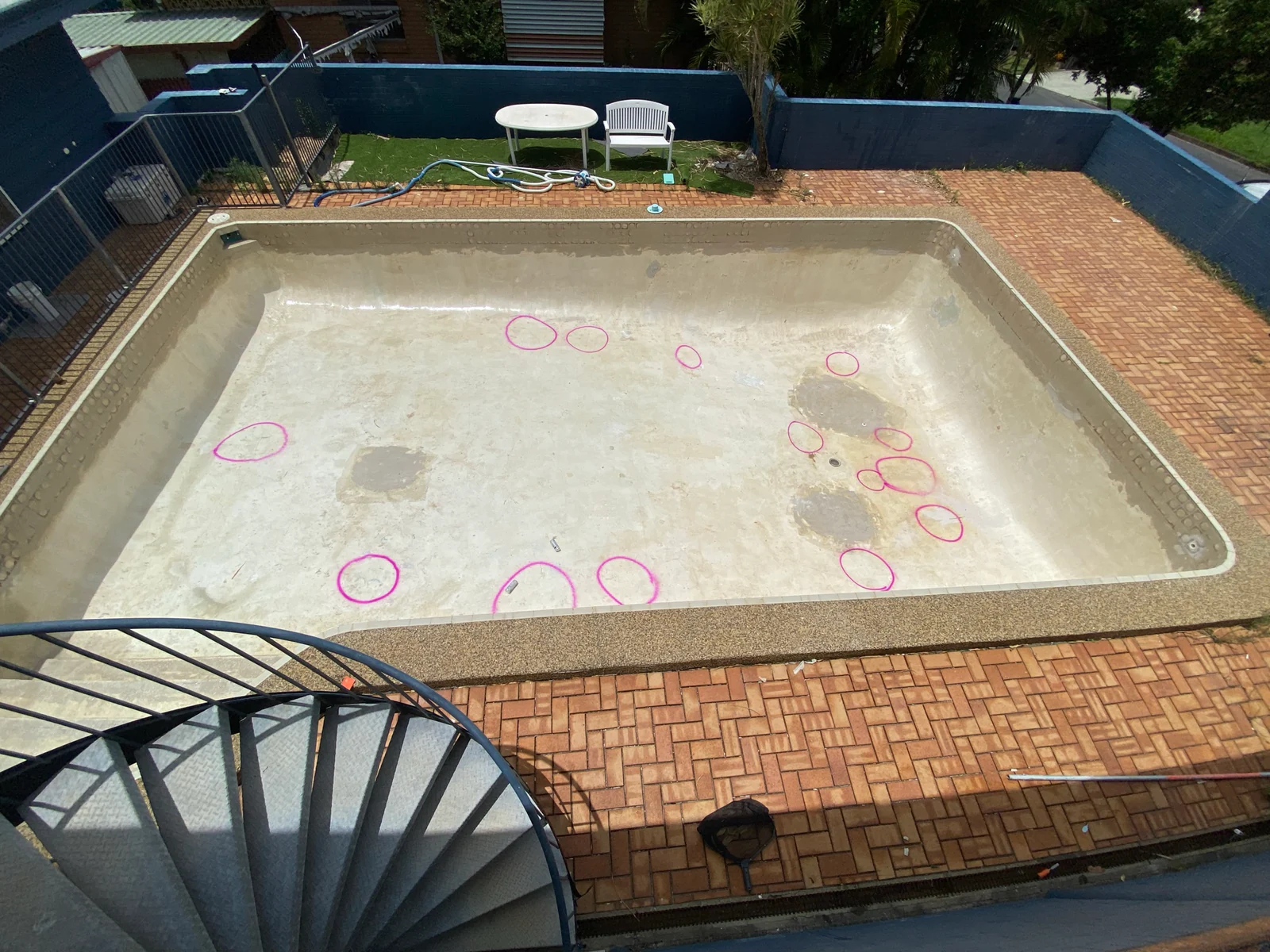
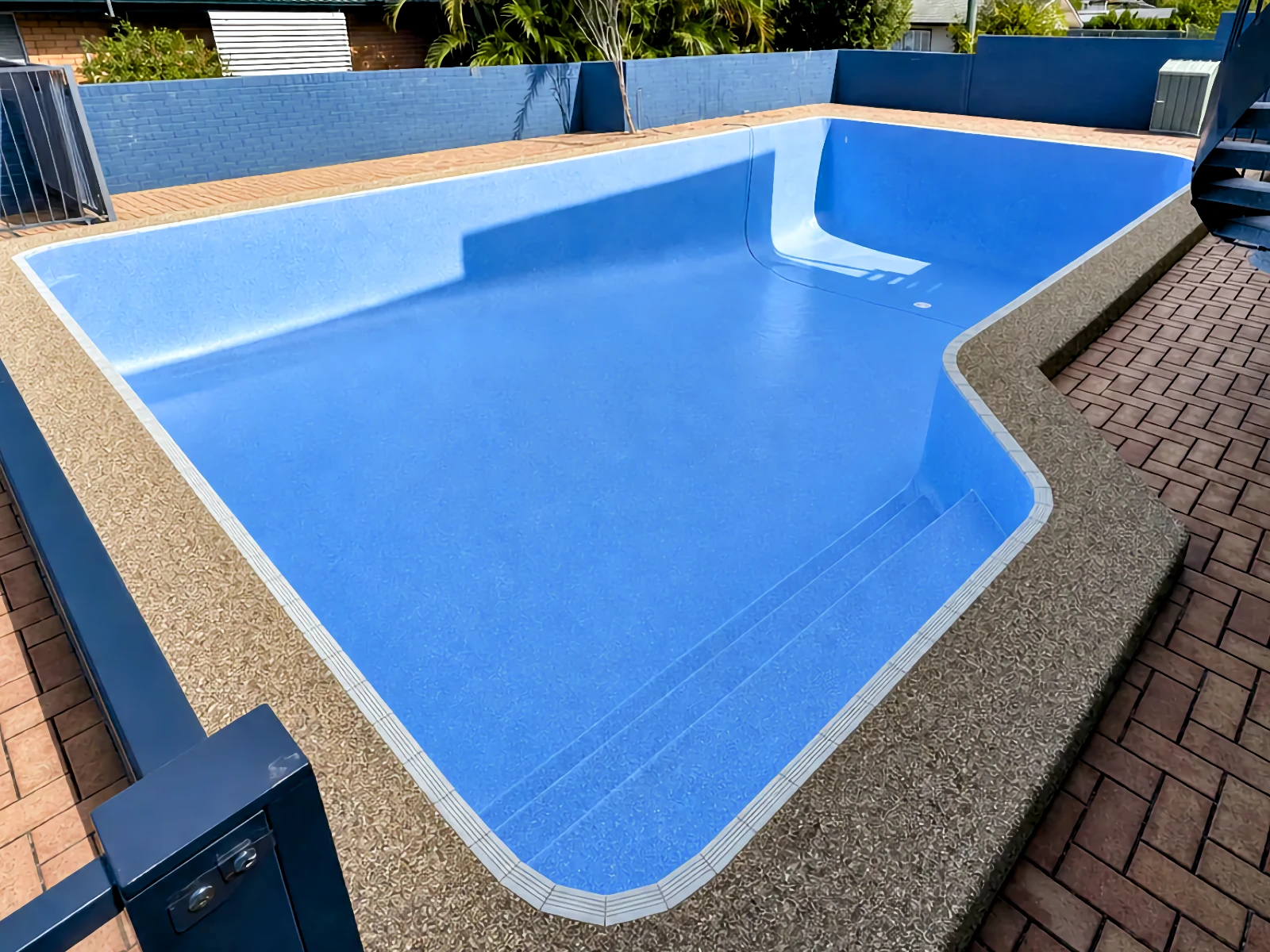
Worn Marblesheen, loose or hollow masonry and deteriorated tiled areas were prepared and repaired. Surface irregularities were levelled before the continuous reinforced fibreglass lining and Sapphire Blue Speckle AquaGuard finish were installed.
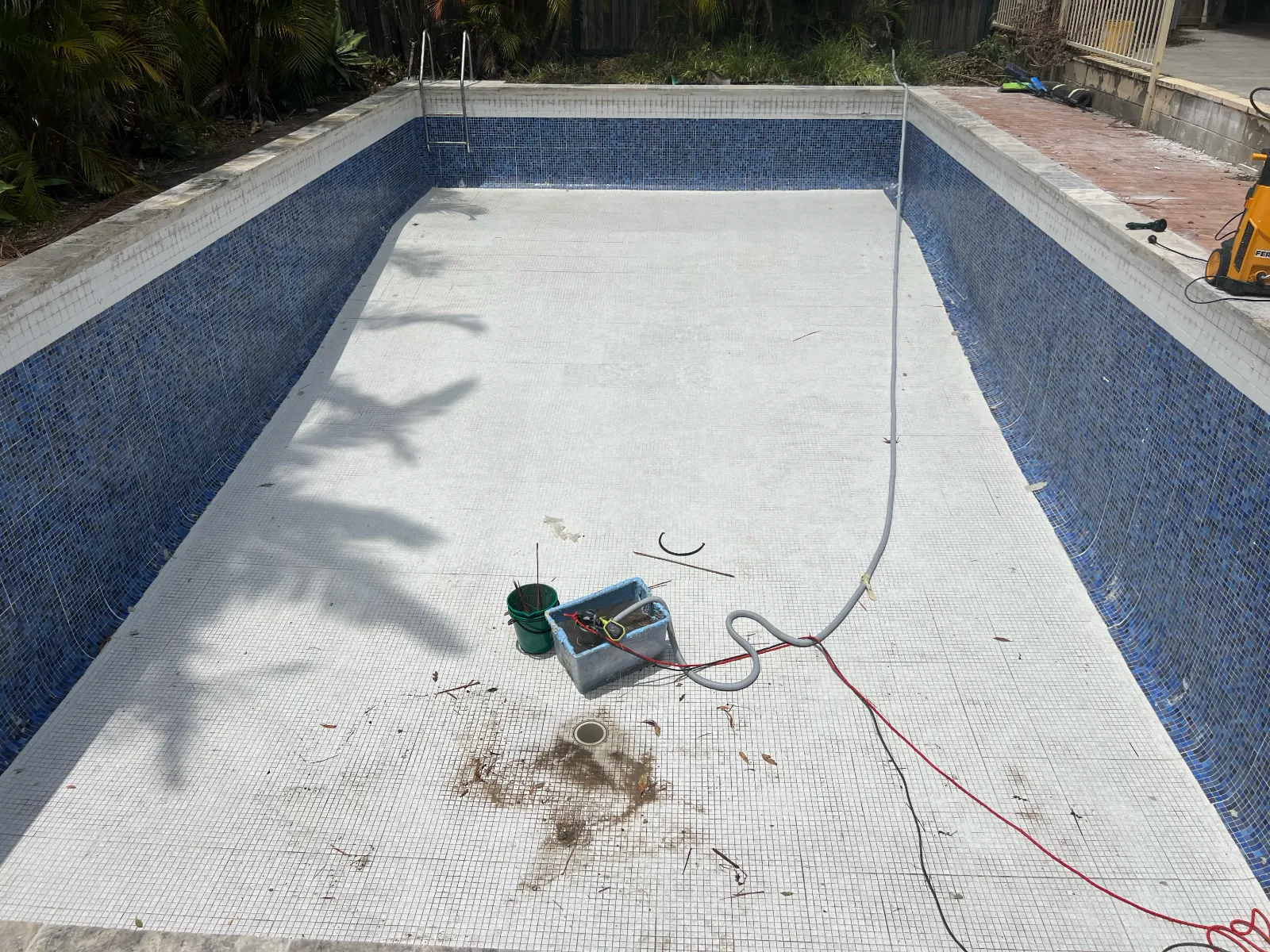
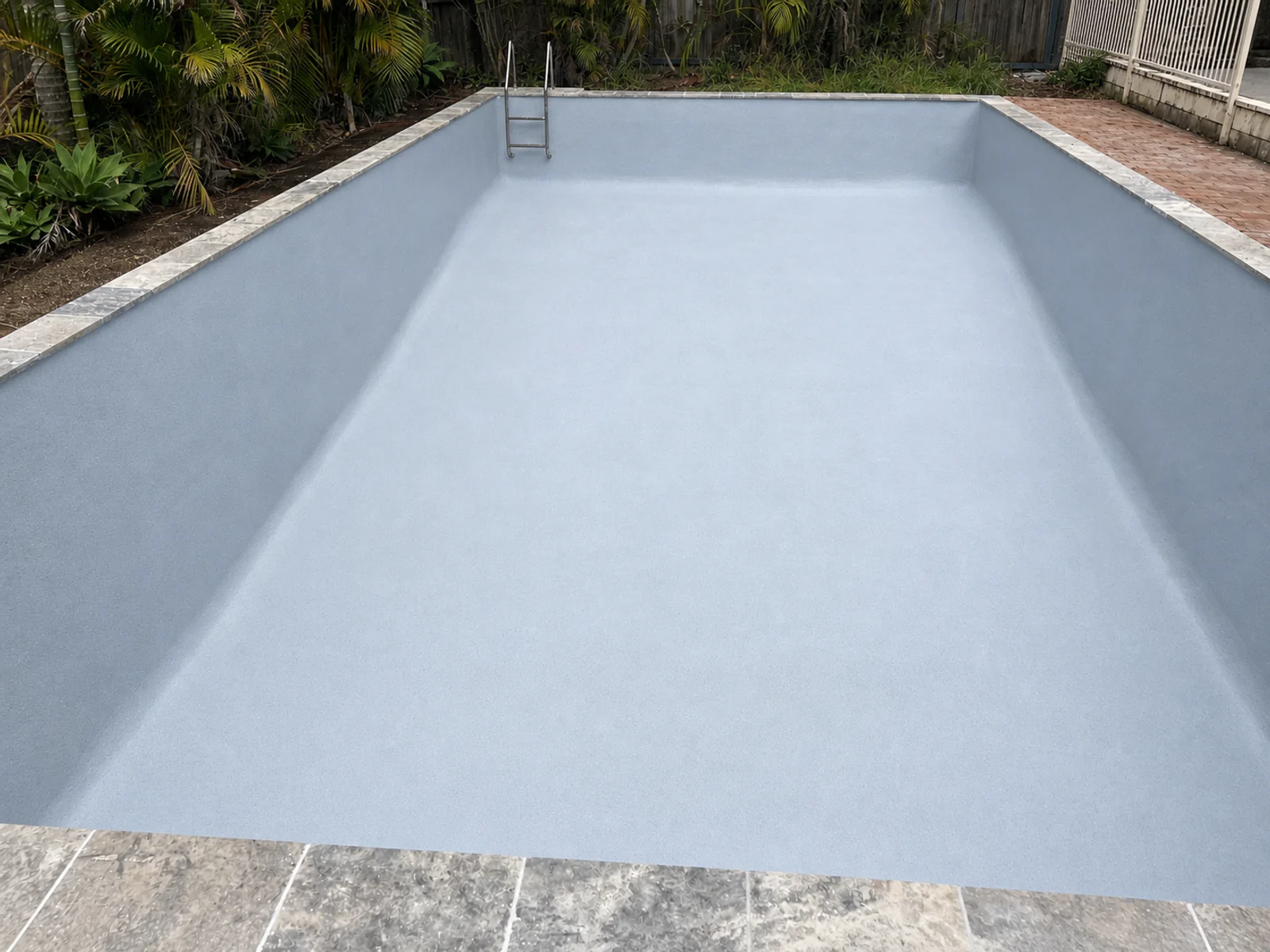
The deteriorated tiled interior was assessed and prepared, with surface irregularities corrected to create a stable profile before conversion to a continuous reinforced lining and Dove Grey Speckle AquaGuard finish.
Share the current pool finish, visible condition and any previous repairs, together with clear overall and close-up photographs. This supports the first review and often helps us identify the surface and visible problems.
Which areas can remain is confirmed after planned emptying and inspection of the exposed interior.

Retained-surface conversion enquiry
Send us a few photos and our team can help identify the likely issue and the most suitable next step.