Stained, Rough or Dated Pool

Stained, Rough or Dated Pool

Staining, roughness and an outdated finish can make a sound pool unpleasant to use and difficult to maintain. The underlying cause must be identified before the surface is cleaned, levelled and restored.
Rough, Stained or Dated

What this pool problem can look like

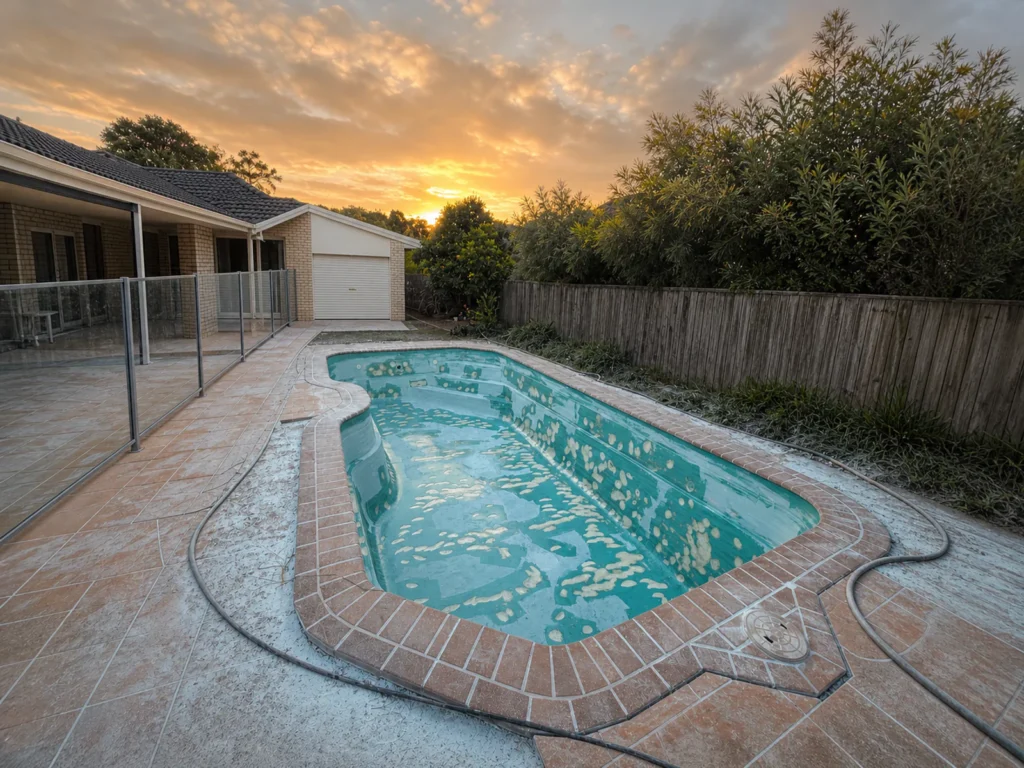
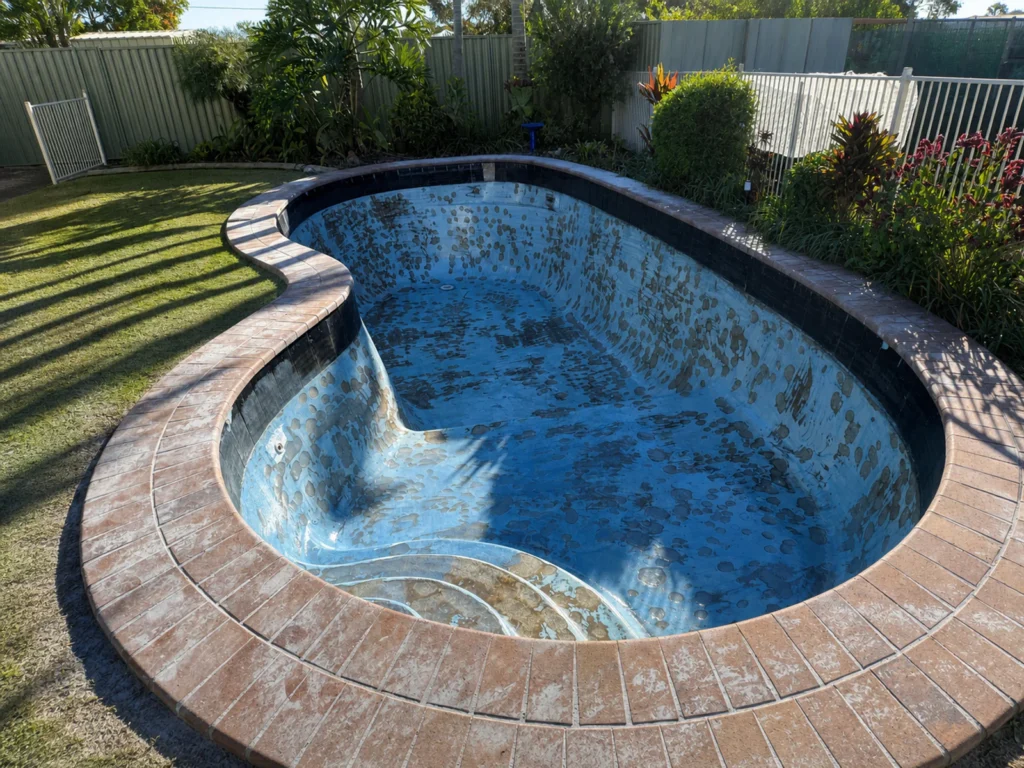
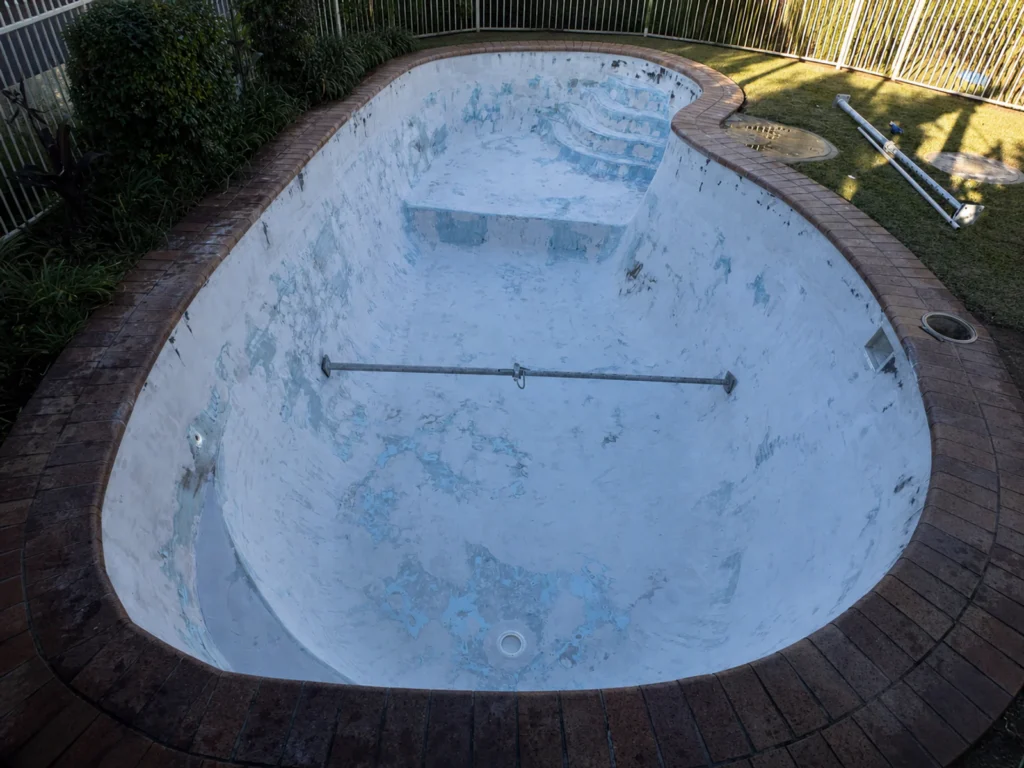
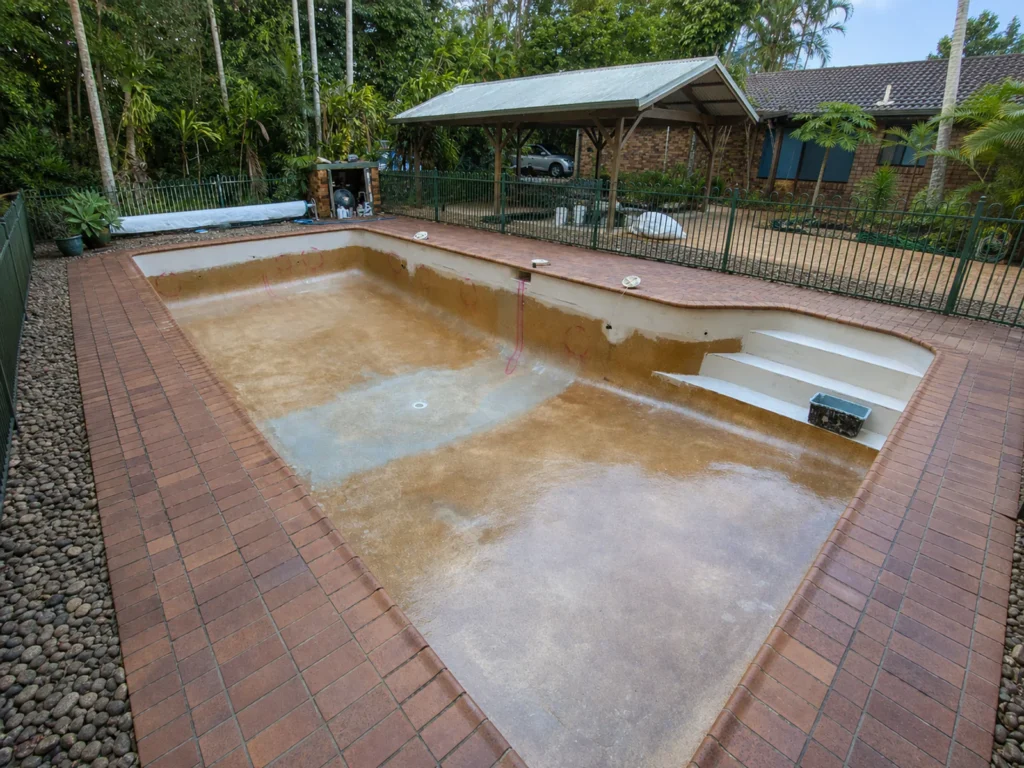
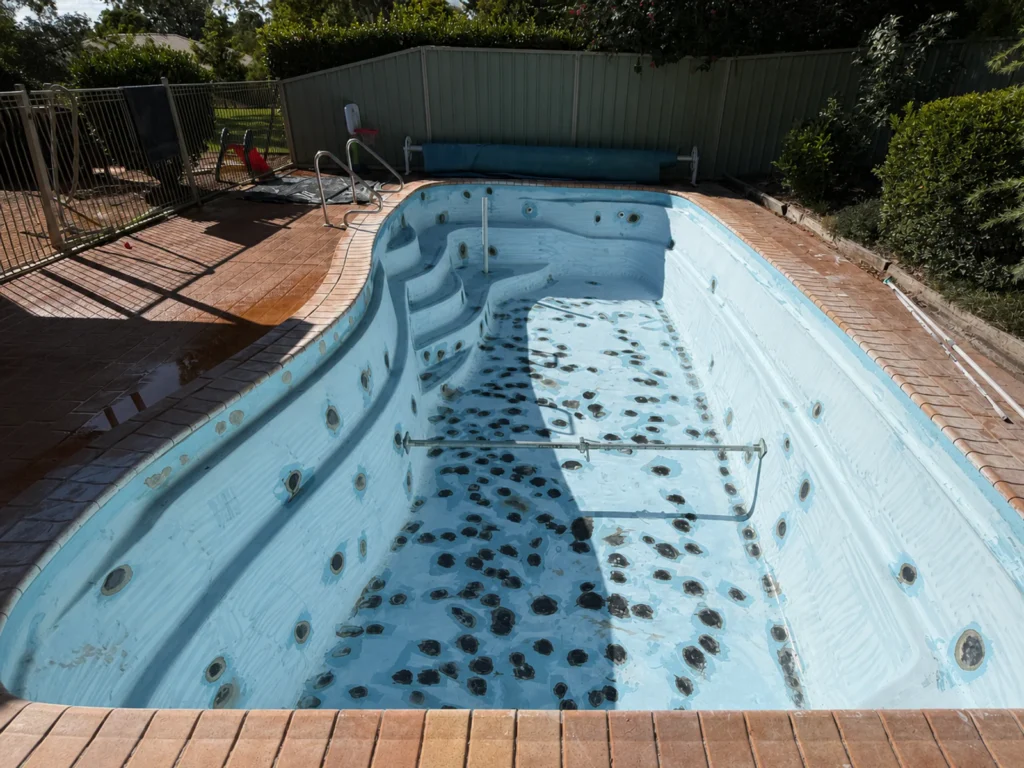
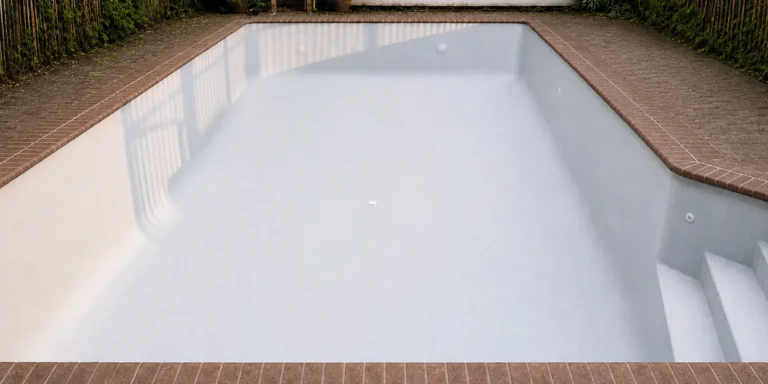
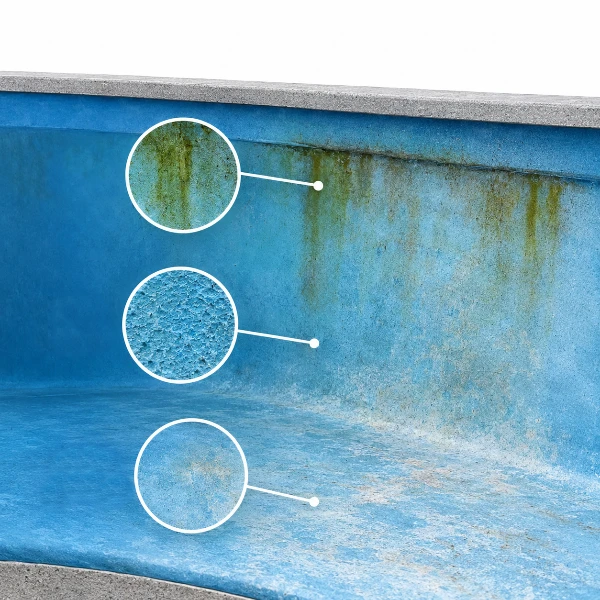
A stained or rough pool can feel abrasive, hold dirt in its pores and require repeated brushing or chemical treatment. Scale can create pale crusted areas, metals can leave brown, green or black marks, and older pebble, marblesheen or paint can become patchy and uneven.

It is important to distinguish removable deposits from defects within the finish. Cleaning alone will not correct worn, porous or badly repaired material. A full restoration removes or isolates the problem surface, corrects the profile and replaces it with a smooth, continuous lining.

What we assess

The extent and location of the visible problem

The condition of the surrounding pool surface

Likely causes and the most suitable repair approach

CAUSE AND REPAIR

Why this happens and what repair involves

Why does this happen?

Stains can come from metals, minerals, organic matter, algae, rust, scale or substances absorbed into an ageing porous finish. Roughness may develop as cement-based interiors erode or calcify, paint breaks down, repairs remain uneven, or fibreglass loses its protective finish. Water outside the recommended balance can accelerate staining, etching and scale.

Some discolouration responds to cleaning and water correction; deeply embedded stains or widespread roughness indicate deterioration. A dated appearance can also reflect mismatched repairs, old tile bands or an interior that no longer provides a consistent, cleanable finish.

Can this be repaired?

Fibreglaze assesses the stain type, surface hardness and existing construction. Deposits are removed by controlled cleaning, grinding or other substrate-specific preparation. Rough, pitted and uneven areas are repaired and resin-screeded so they do not telegraph through the new lining.

The prepared pool is resurfaced with the Enduratec System, creating a non-porous, seamless fibreglass interior in the selected colour. Water chemistry still needs to be maintained because even a new surface can develop scale or staining if metals and balance are not managed.

During Repair

See the repair work in progress

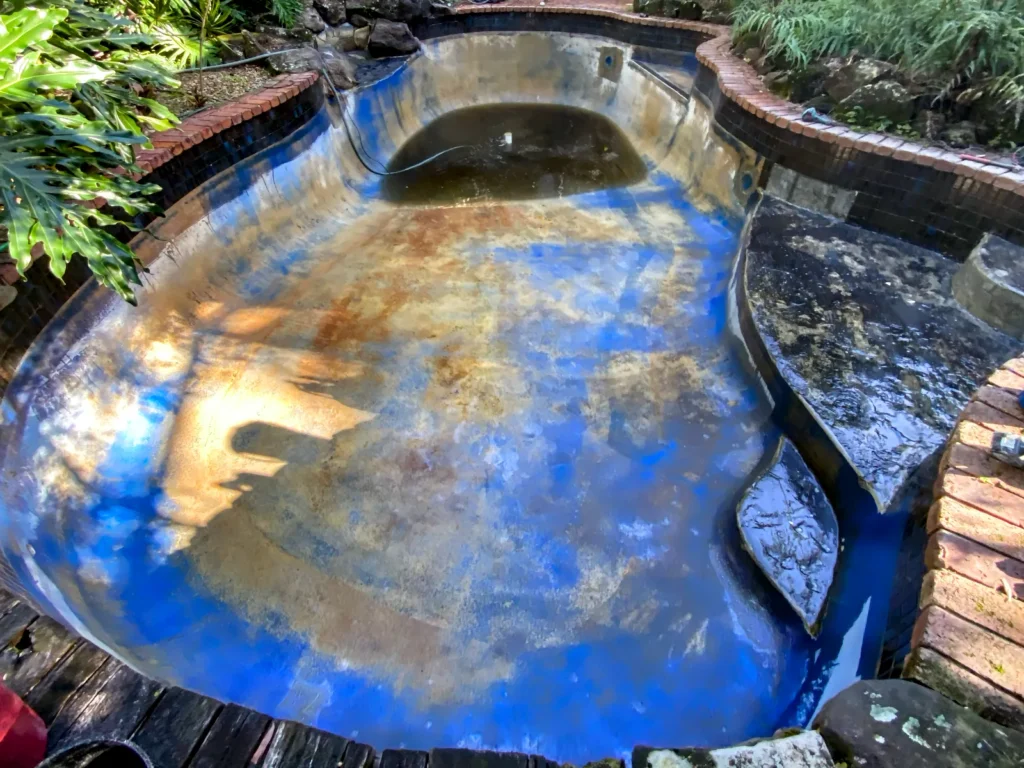
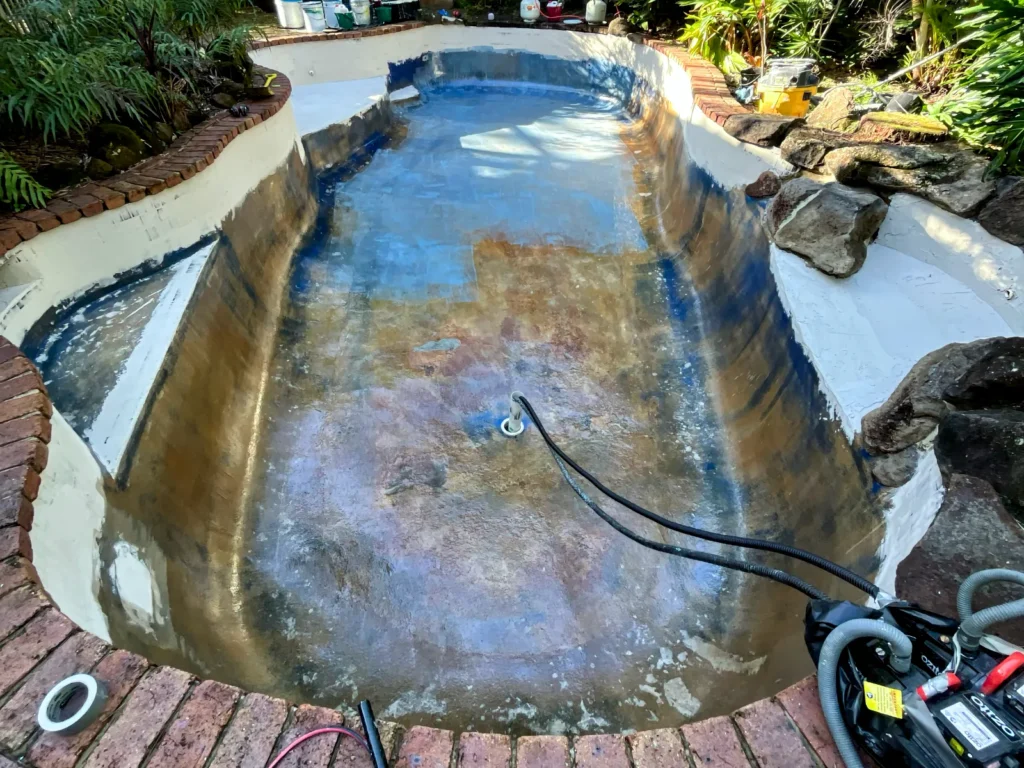
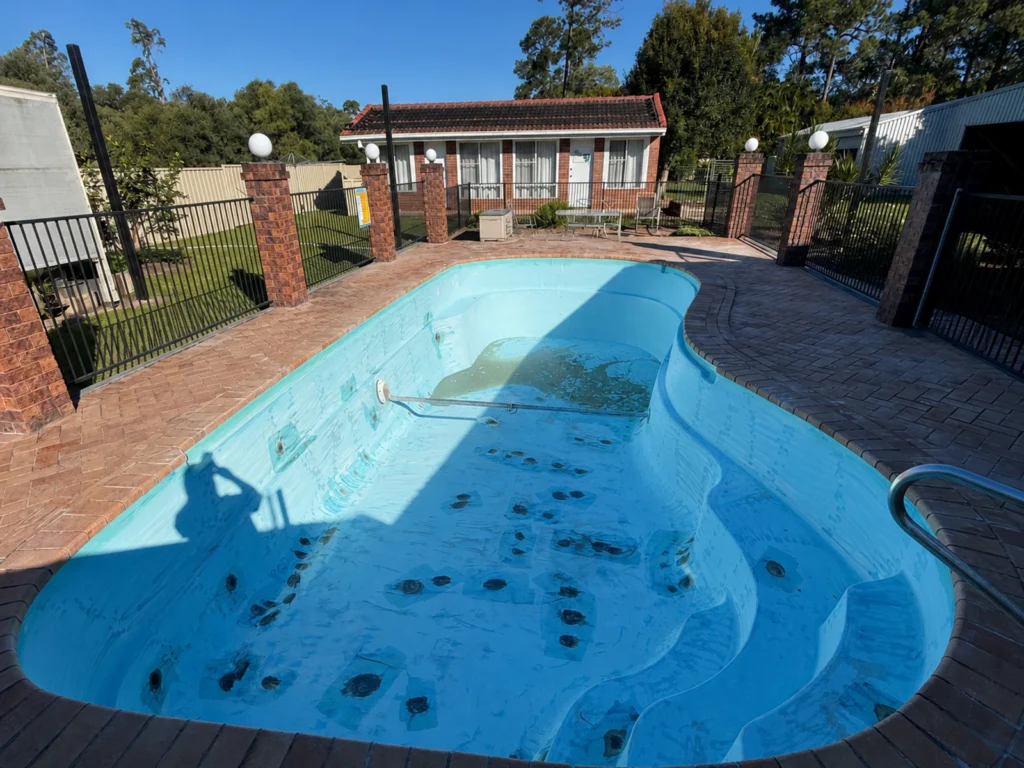
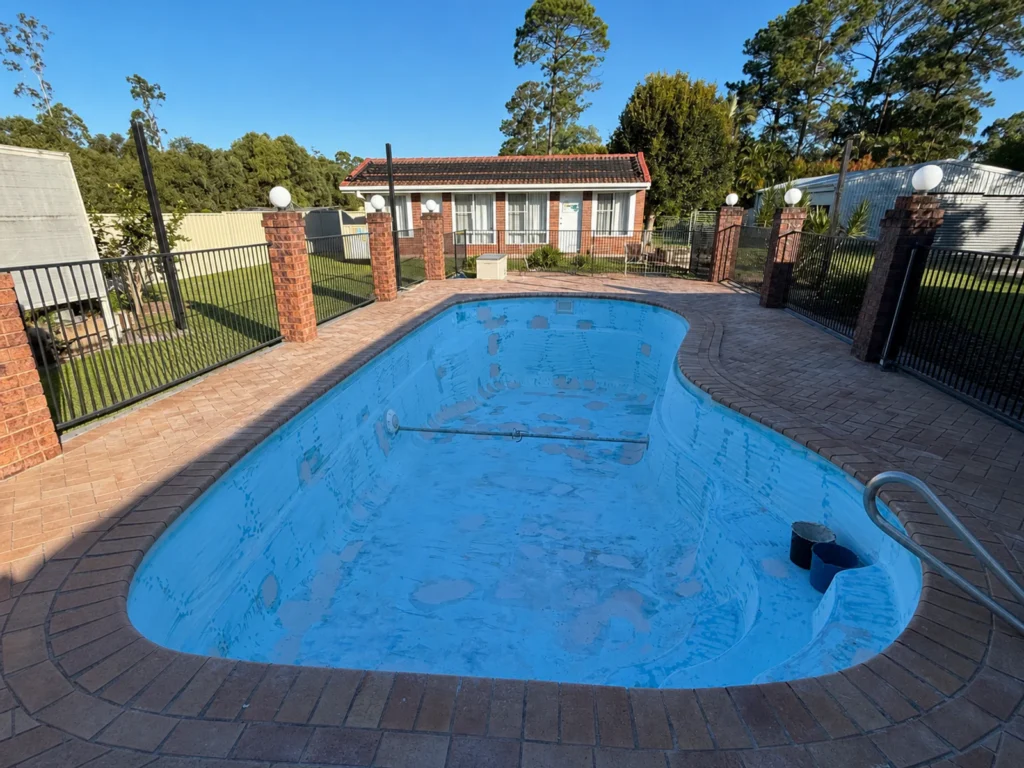
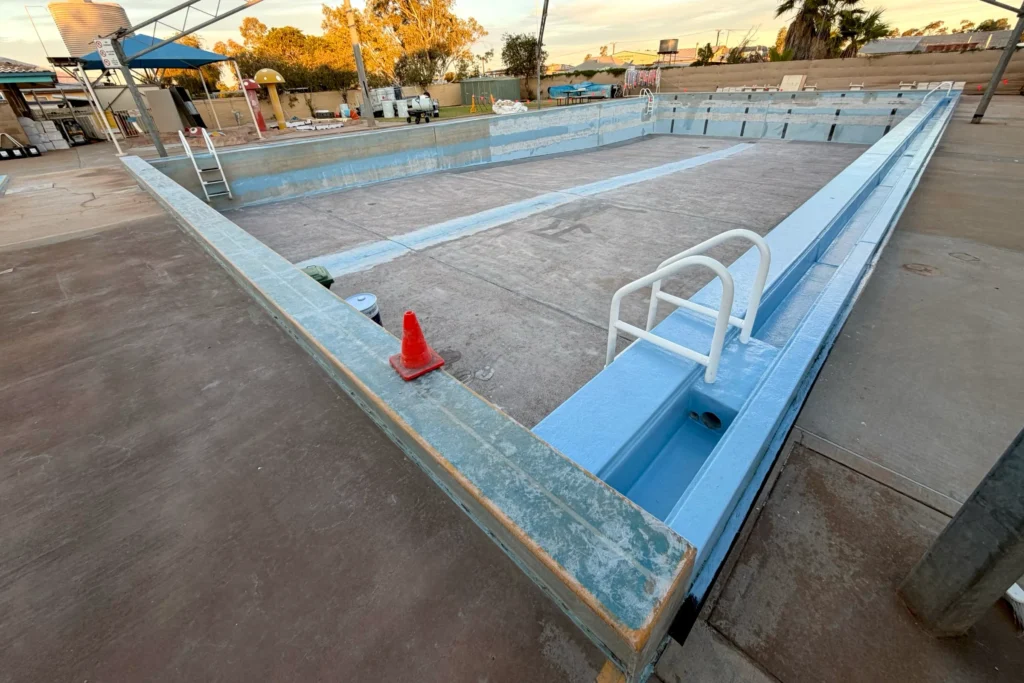
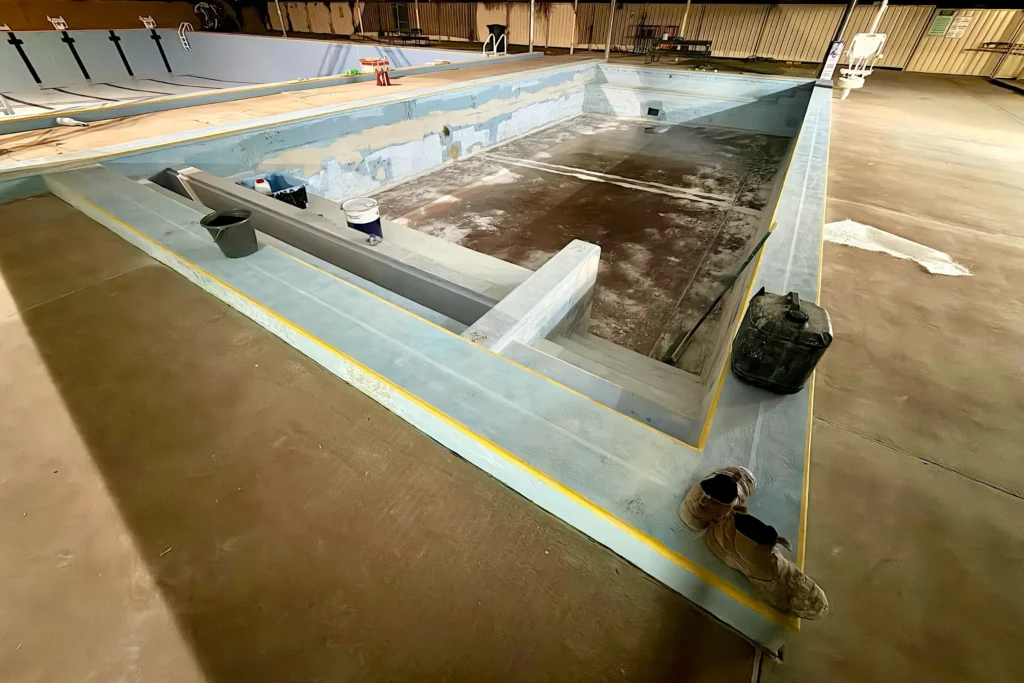
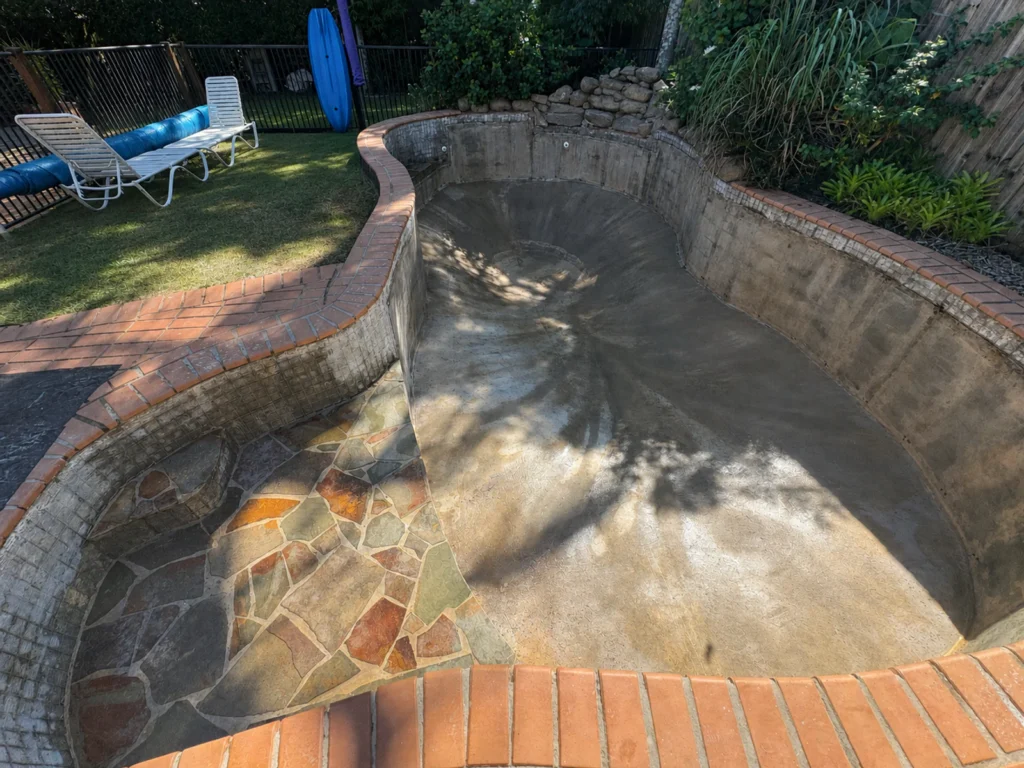
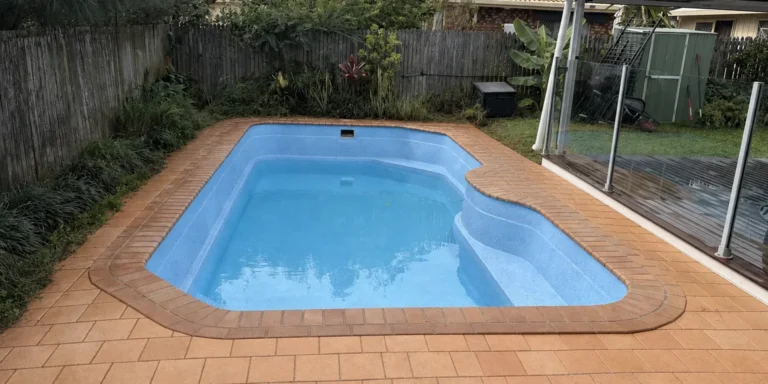
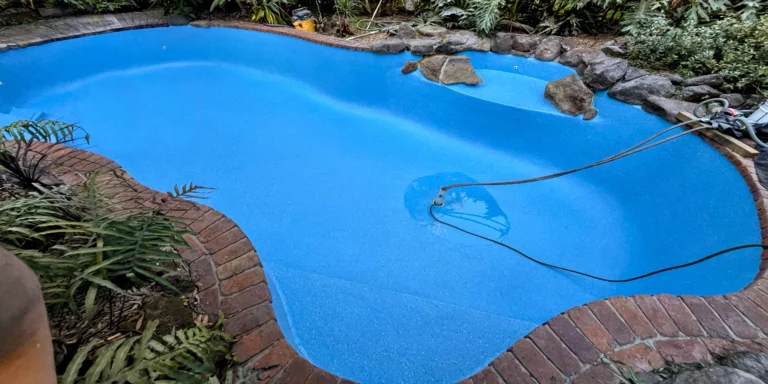
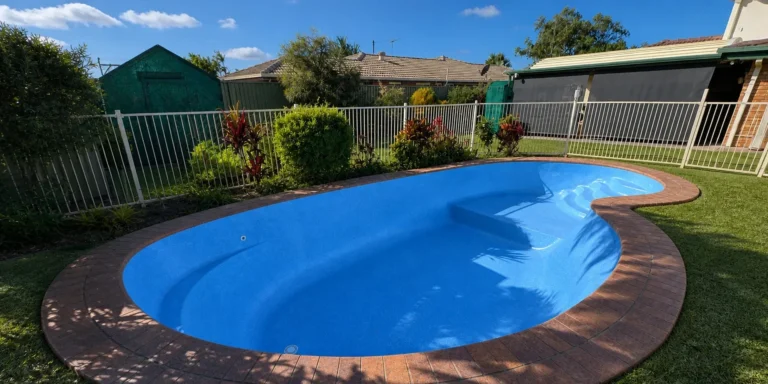
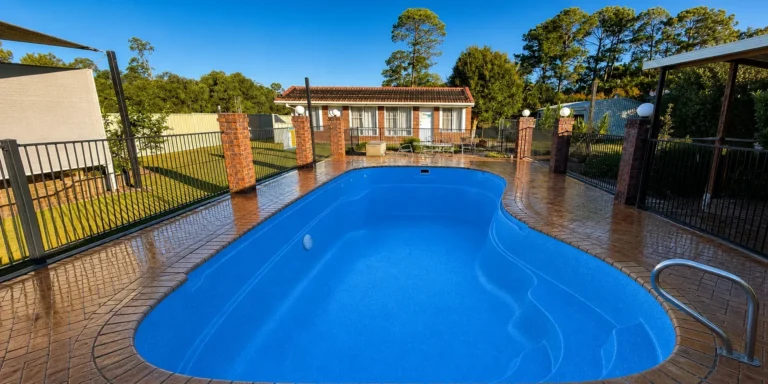
These photographs show preparation and repair stages from projects involving this pool problem. The exact approach is confirmed after inspection and once the pool has been emptied and the shell condition is exposed.

Our Repair Process

How we assess, repair and resurface the pool

Every pool is assessed individually, and the precise repair depends on the shell, substrate and site conditions. Where repair is suitable, the work generally follows five stages—from confirming the scope through to the reinforced lining, finish and handover.

1

Assess and plan

We review the pool details and photographs and arrange a site inspection where required. Staining, scale, discolouration, surface wear and previous coatings are assessed. Once the pool is empty, the condition of the existing finish and underlying shell can be checked and the final scope confirmed.

2

Prepare the existing surface

Scale, staining, discolouration and deteriorated coatings are assessed to determine the appropriate treatment. Deposits and unsound material are removed, and the pool is cleaned and mechanically prepared. This exposes the underlying substrate and identifies cracks, rust-affected areas or other defects requiring repair before relining.

3

Repair and level

Surface defects, low areas and irregular transitions are repaired and levelled to restore a smooth, consistent profile. Cracks, rust-affected sections and other identified defects are treated separately according to their condition. The prepared shell then provides a stable base for the complete reinforced fibreglass lining.

4

Install the reinforced lining

A reinforced fibreglass lining is applied across the prepared pool interior to form one continuous system over the treated surface. Additional reinforcement is incorporated where repairs require it. The completed lining isolates the ageing finish and creates an even foundation for the selected AquaGuard colour and surface coats.

5

Finish and handover

Two UV-stabilised AquaGuard top coats are applied in the selected colour, followed by the chosen speckle finish. Once cured, the completed surface is inspected, applicable fittings are refitted and the hydrostatic valve is replaced where required. Guidance is then provided for refilling, initial water balancing and ongoing care.

REQUEST AN ASSESSMENT

Ready to improve a stained, rough or dated pool?

Tell us where the surface is discoloured or rough, how it feels underfoot and whether cleaning or water treatment has changed it. Clear photographs help us review the visible condition, but inspection is needed to distinguish removable deposits from deterioration within the finish.

Stain colour, location and how widespread it is
Rough, pitted, scaled or uneven areas
Current finish, cleaning attempts and previous repairs
YOUR POOL

Tell us about the pool surface

Stained or rough pool surface enquiry

Stained, Rough or Dated Pool FAQs

What causes brown, green or black stains in a swimming pool?

Pool stain colour alone does not confirm the cause. Brown or rust-coloured marks may involve iron or organic debris; green, grey or black marks can involve algae, copper, manganese or material trapped in a rough surface. Location, texture, recent water changes and the way a small test area responds are more useful than colour by itself. The source also needs attention, such as metals in fill water, corroding equipment, poor circulation or debris, otherwise the stain can return after cleaning.

Can pool stains be removed without resurfacing the pool?

Many stains can be treated without resurfacing when the underlying finish is sound and the stain type is correctly identified. Organic, metal and mineral deposits require different treatment approaches, so the safest starting point is water testing and a controlled test on a small area. Resurfacing becomes more relevant when stains are deeply embedded, repeatedly return through a porous surface, or occur with widespread roughness, pitting, peeling or earlier failed repairs. Correcting the stain source remains important after either treatment.

Is a rough pool surface caused by calcium scale or a worn finish?

Both can feel rough, but they affect the surface differently. Calcium scale adds a raised, chalky or crusted mineral layer, often around the waterline or where evaporation is high. A worn finish has lost material and may feel etched, porous, pitted or uneven across broader areas. Scale can also form over an already deteriorated surface. Water testing, inspection and controlled spot testing help distinguish a removable deposit from surface breakdown before aggressive cleaning or resurfacing is recommended.

My pool is faded, thin, chalky or rough. Does it need resurfacing?

These are common signs that the existing gelcoat is oxidising or wearing away. If the surface is faded, difficult to clean, rough underfoot or no longer holding its colour, resurfacing will restore a smooth, fresh-looking finish.

Pool Types
Services & Finishes
Common Pool Problems
Commercial Pool Services
Projects & Resources
Need help with your pool?

Send us a few photos and our team can help identify the likely issue and the most suitable next step.

Servicing QLD and NSW