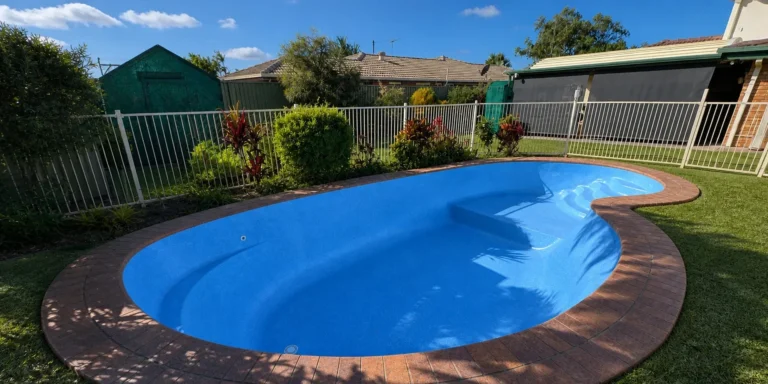
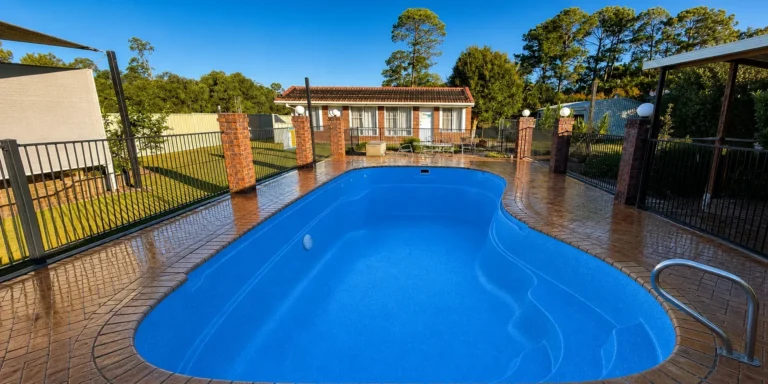
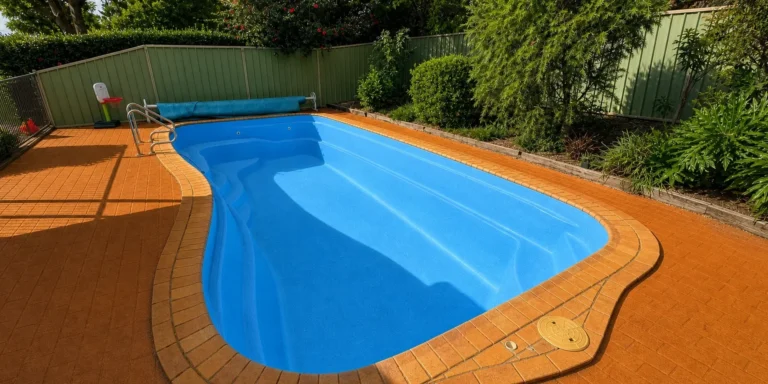
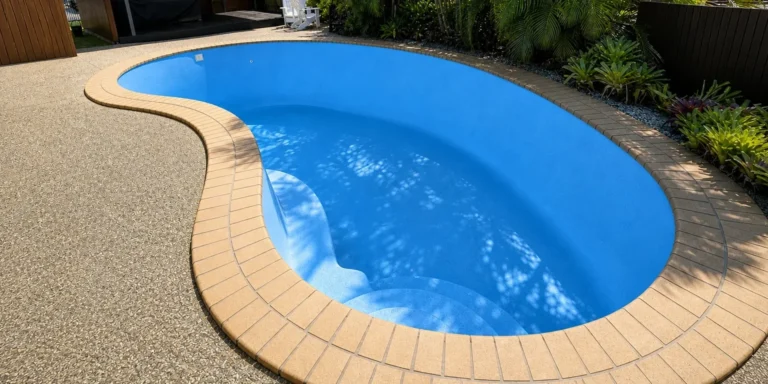
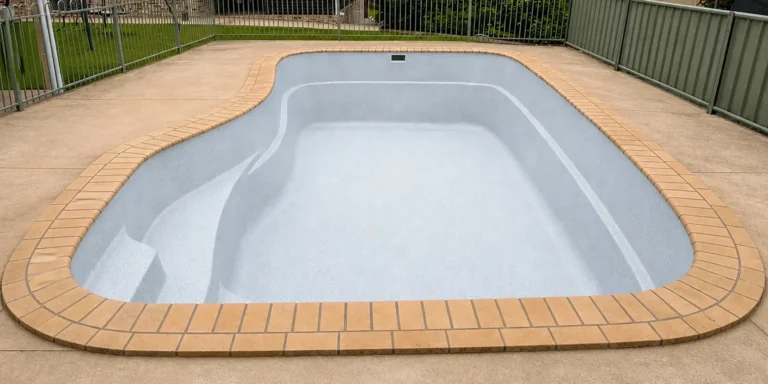
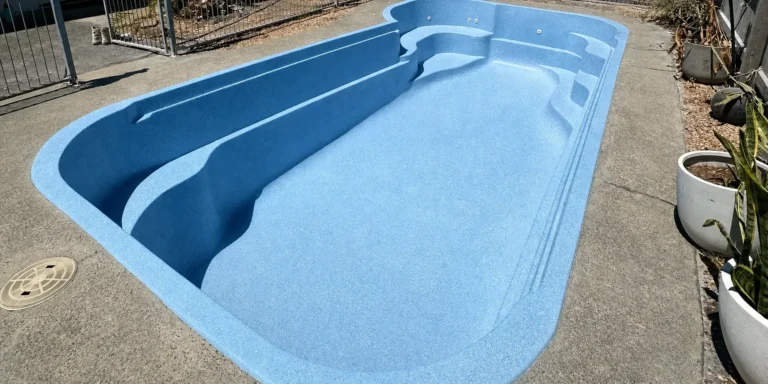
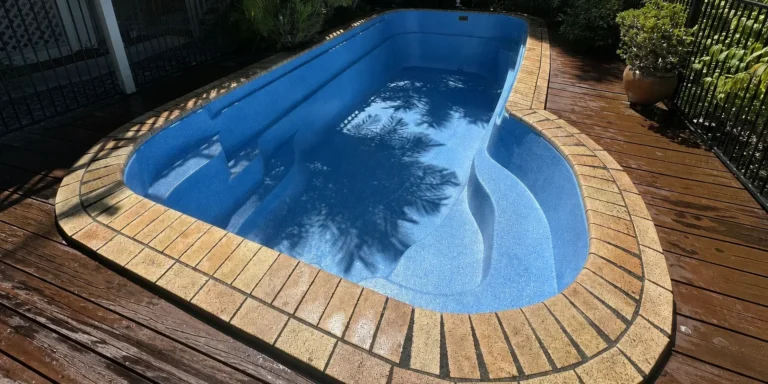
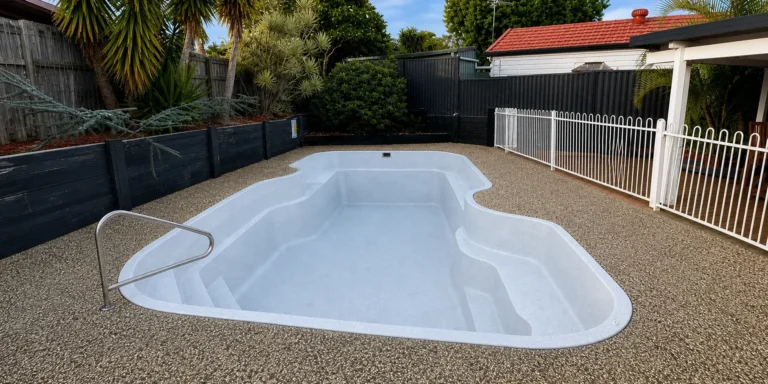
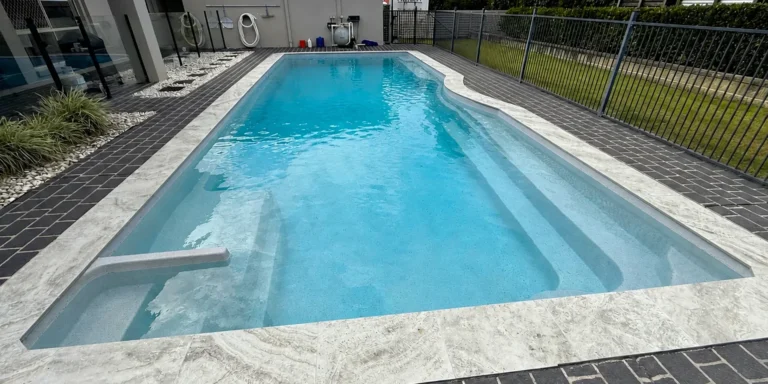
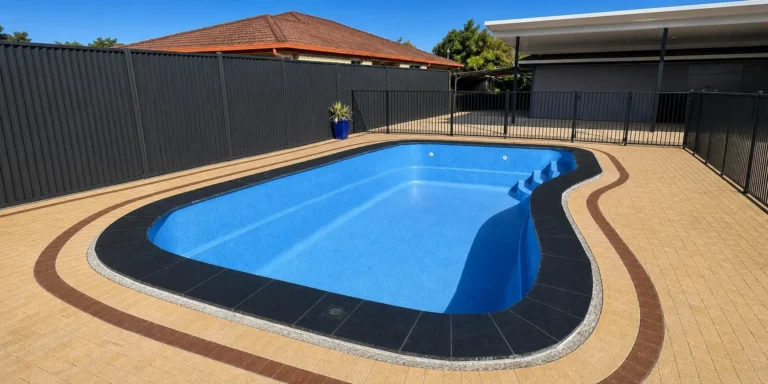
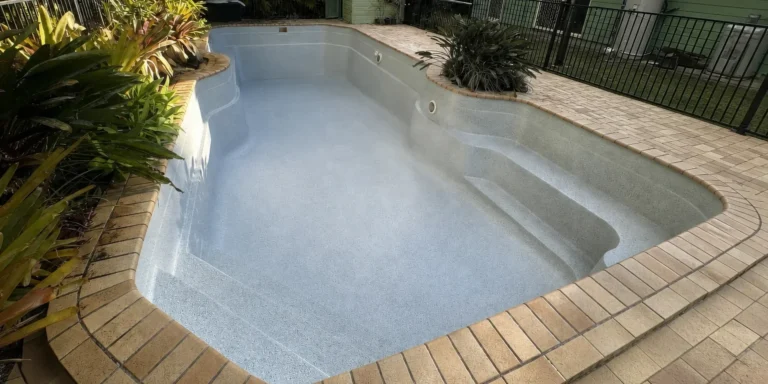
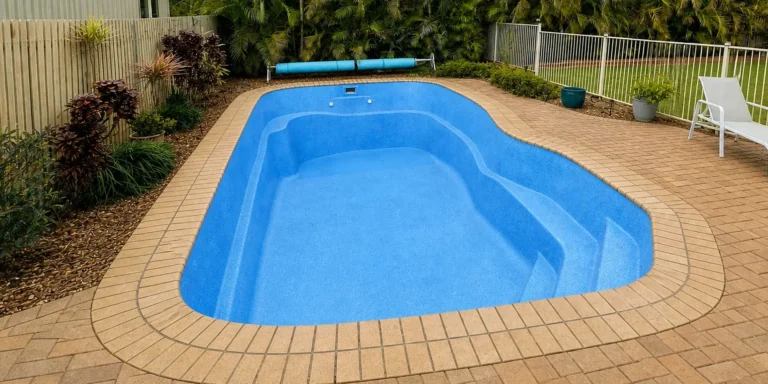
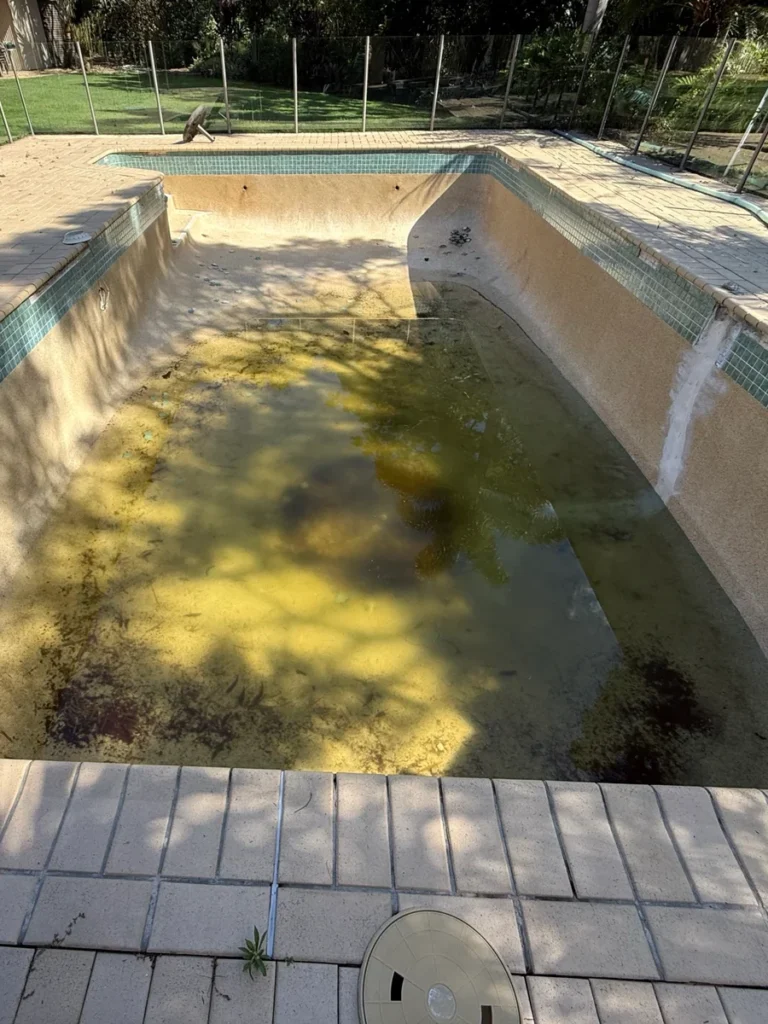
In July 2026, Fibreglaze restored this 9 x 4.5 m fibreglass pool in Point Vernon, Queensland. The pool presented with osmosis and surface blistering, together with a stained, rough and dated finish, requiring careful assessment and preparation before resurfacing.
Fibreglaze treated the osmotic damage, prepared the deteriorated surface and corrected irregularities with resin-based screeding and filler. A new structural fibreglass laminate and the Fibreglaze Enduratec finishing system were then installed, with the pool completed in Lagoon Blue Speckle AquaGuard as a smooth, seamless interior.
These photographs follow the work from the pool’s original condition through preparation and repair to the completed finish.
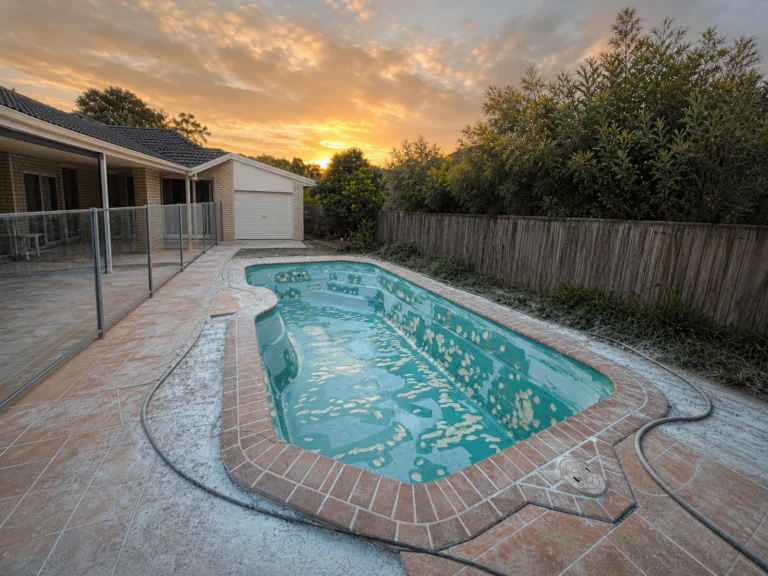
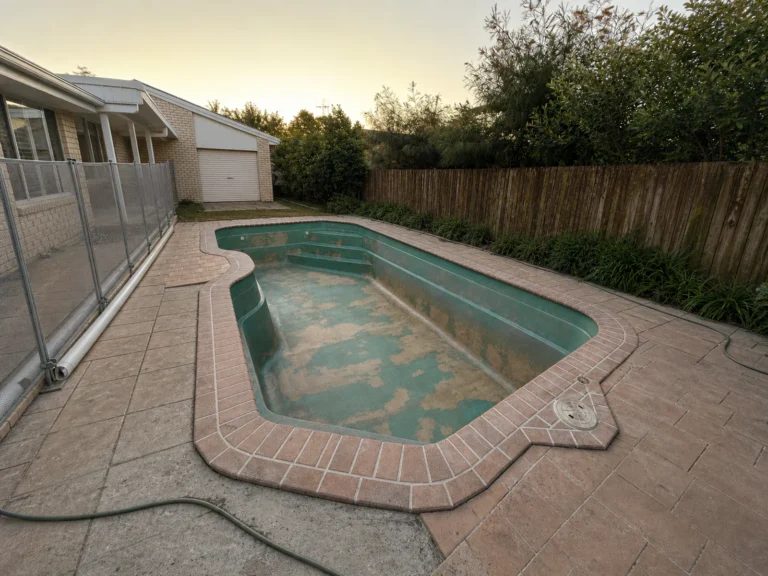
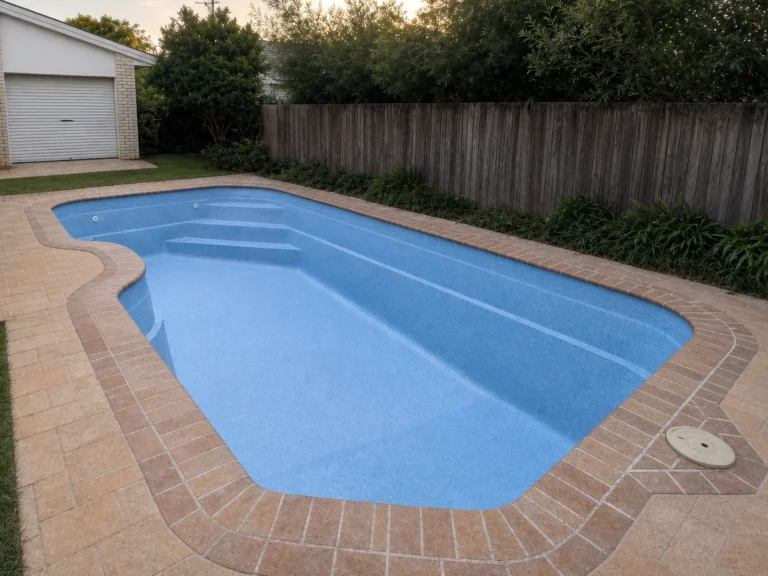
These were the main pool conditions recorded for this project. Select an issue to learn more about its common signs, possible causes and repair considerations.
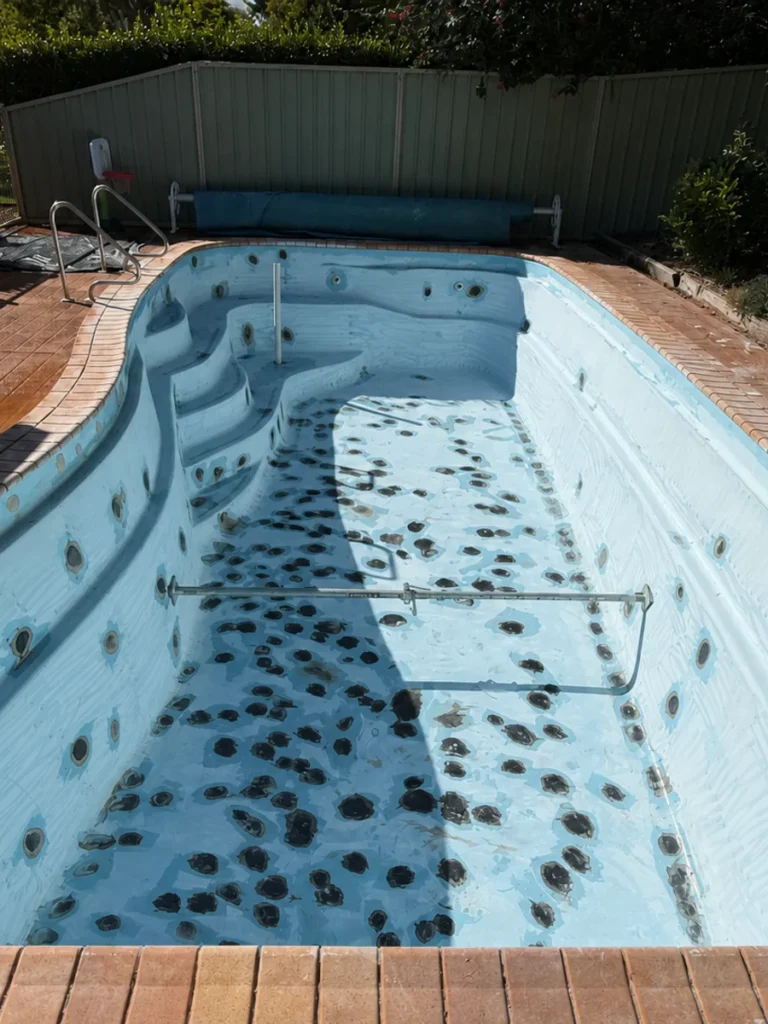
Additional views of the preparation, repair work and completed finish.
Wow! I just can’t use words to describe the result. It truly looks like a new pool altogether. What an absolutely stunning job by the team at Fiberglaze. I can’t recommend them enough. Fantastic job and wonderful results!
Answers to common questions about the pool conditions and restoration work shown in this project.
Osmosis bubbles, also called blisters, can develop when moisture reacts with standard general purpose resins beneath the pool’s gelcoat. They may appear as small raised bubbles on the walls or floor. During resurfacing, affected areas are prepared and repaired before the new more advanced fibreglass Enduratec System is applied.
Pool stain colour alone does not confirm the cause. Brown or rust-coloured marks may involve iron or organic debris; green, grey or black marks can involve algae, copper, manganese or material trapped in a rough surface. Location, texture, recent water changes and the way a small test area responds are more useful than colour by itself. The source also needs attention, such as metals in fill water, corroding equipment, poor circulation or debris, otherwise the stain can return after cleaning.
A few small blisters do not automatically mean the pool is structurally unsafe, but they should not be ignored. Osmosis indicates that moisture and chemical activity are occurring beneath the visible surface. The seriousness depends on how many blisters are present, how deep they extend and whether the surrounding laminate is still sound. Widespread, split or weeping blisters generally require more extensive removal and reconstruction than a small isolated area. An inspection that opens representative blisters is the best way to determine the extent.
Many stains can be treated without resurfacing when the underlying finish is sound and the stain type is correctly identified. Organic, metal and mineral deposits require different treatment approaches, so the safest starting point is water testing and a controlled test on a small area. Resurfacing becomes more relevant when stains are deeply embedded, repeatedly return through a porous surface, or occur with widespread roughness, pitting, peeling or earlier failed repairs. Correcting the stain source remains important after either treatment.
An isolated blister may sometimes be repaired locally, but that does not mean the surrounding surface is unaffected. Where blistering is widespread, repeatedly returns or is associated with porous or deteriorated material, individual patches can leave the same conditions elsewhere in the pool. The repair scope should be based on representative inspection of the laminate. For broader deterioration, removing the affected surface and incorporating the repairs into a continuous fibreglass lining is generally more reliable than treating each visible bubble separately.
Both can feel rough, but they affect the surface differently. Calcium scale adds a raised, chalky or crusted mineral layer, often around the waterline or where evaporation is high. A worn finish has lost material and may feel etched, porous, pitted or uneven across broader areas. Scale can also form over an already deteriorated surface. Water testing, inspection and controlled spot testing help distinguish a removable deposit from surface breakdown before aggressive cleaning or resurfacing is recommended.
Send us a few photos and our team can help identify the likely issue and the most suitable next step.