Restore your pebblecrete pool with a smoother, seamless fibreglass finish
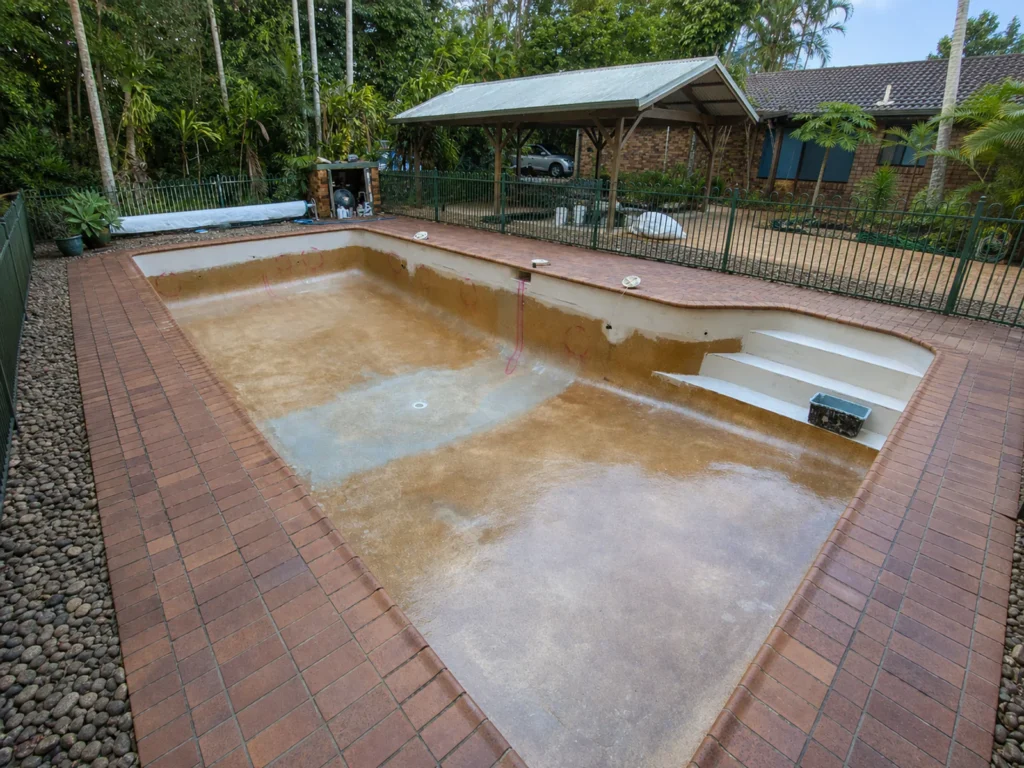
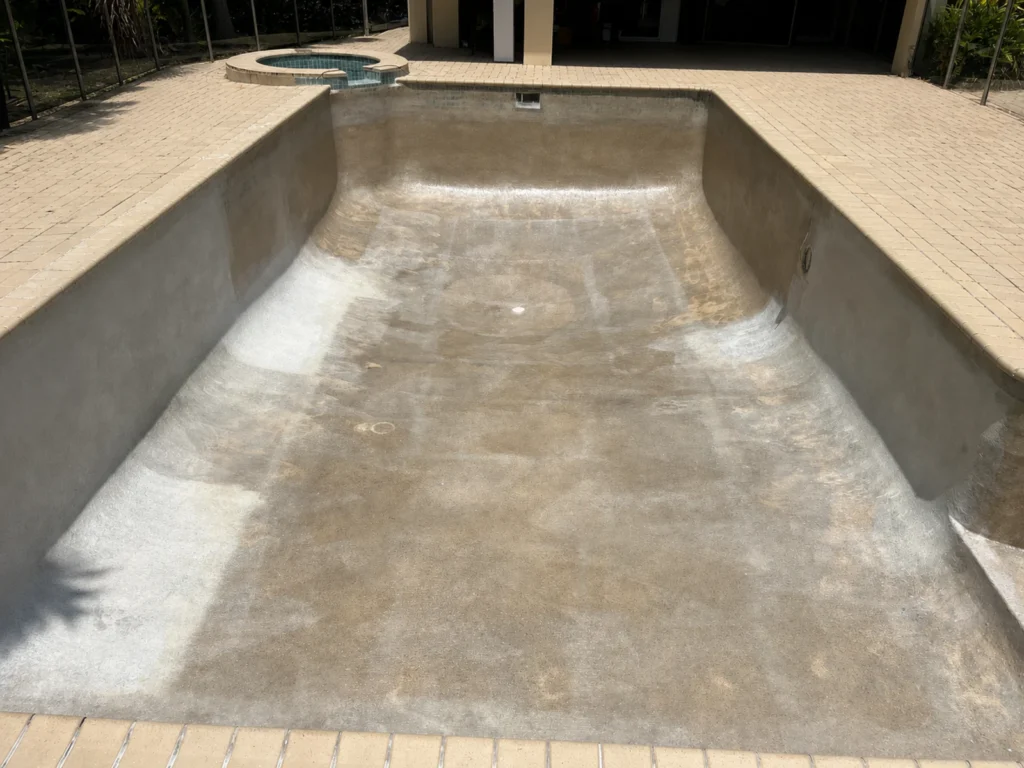
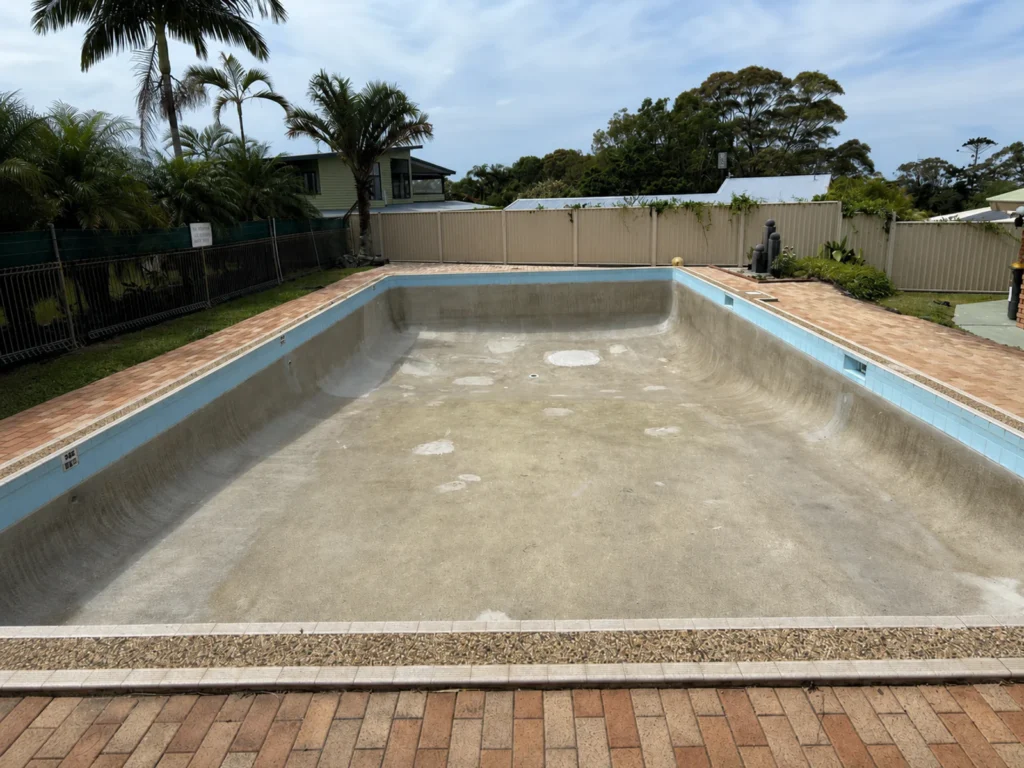
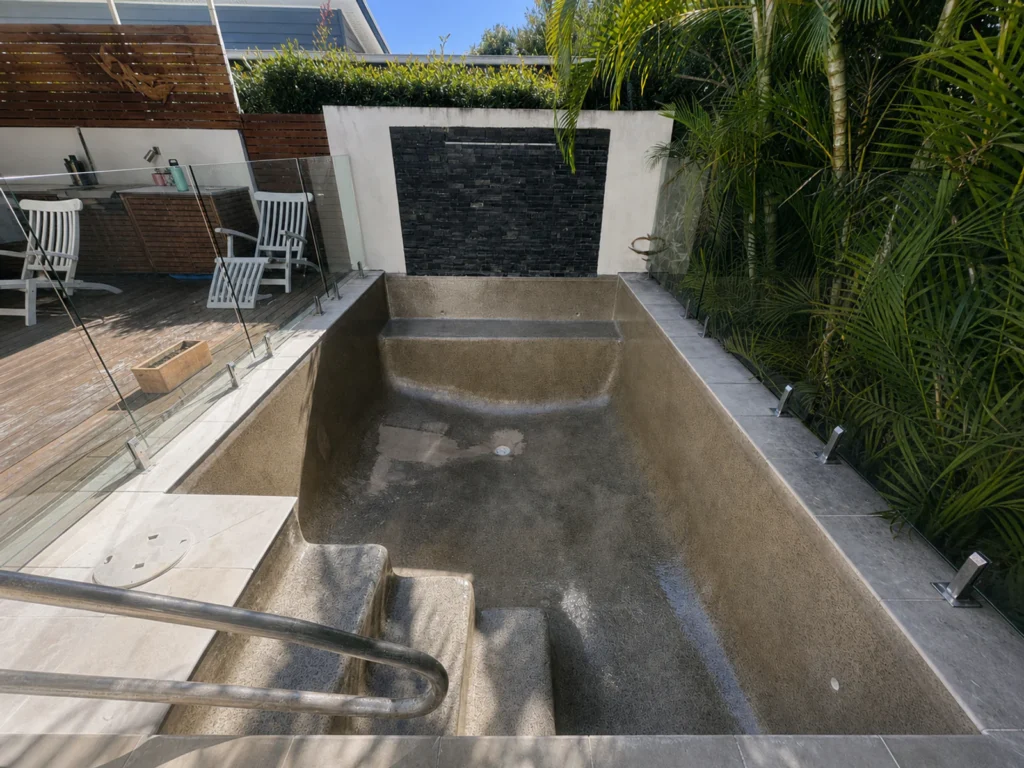
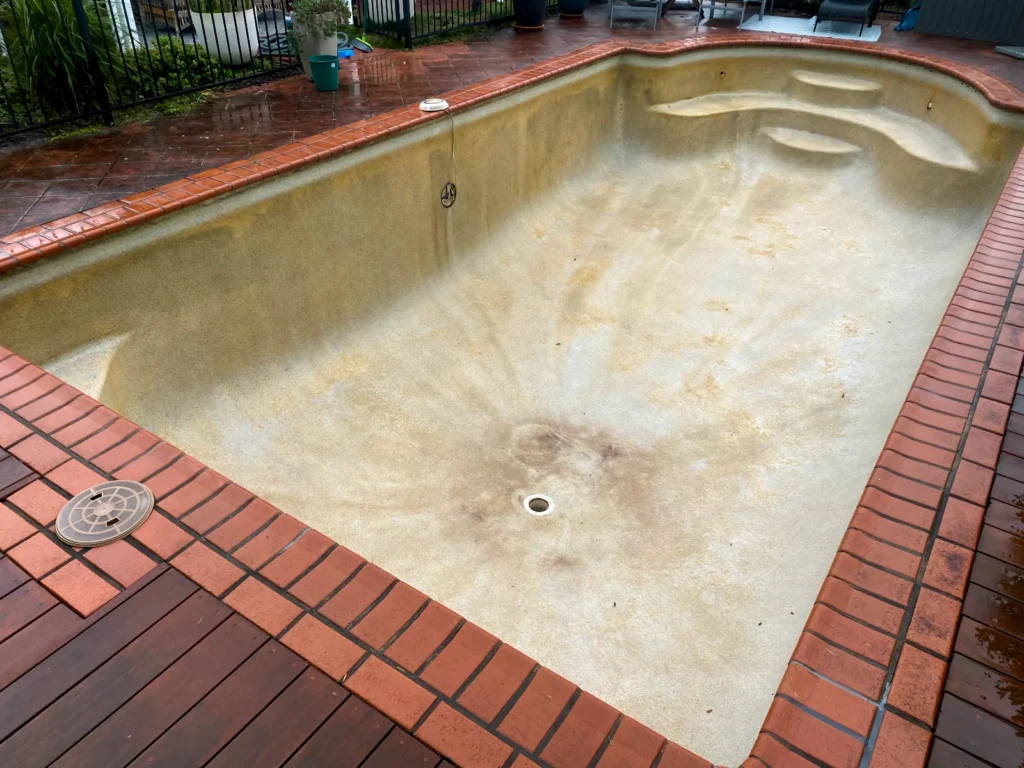
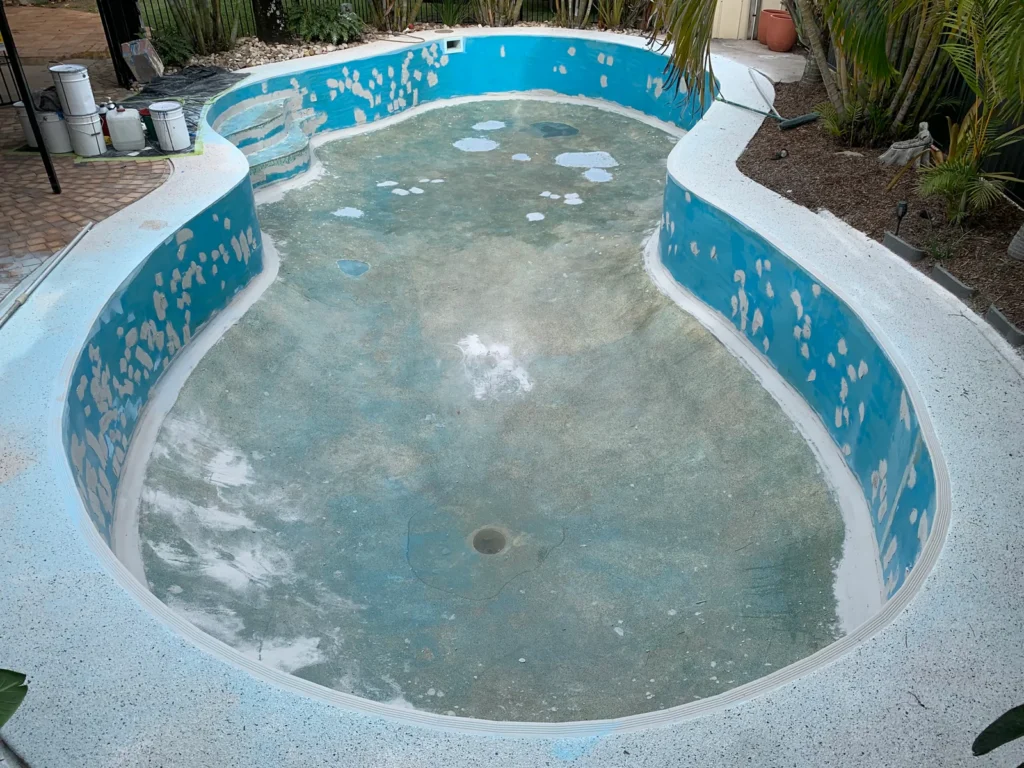
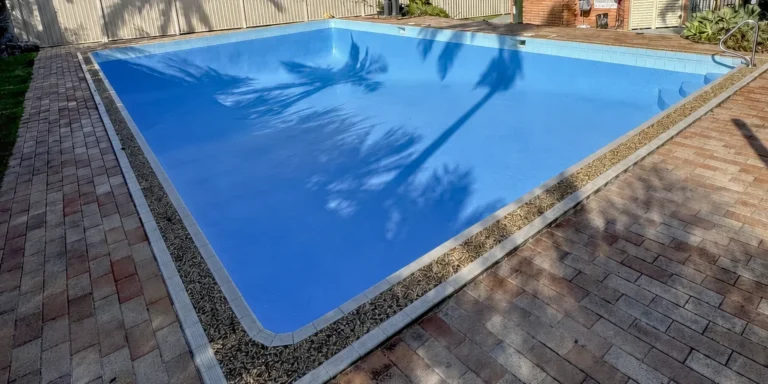
Pebblecrete can become rough, stained and patchy as the cement matrix wears and aggregate becomes exposed. Cracks, hollow areas and previous repairs may also need attention before the pool is resurfaced.
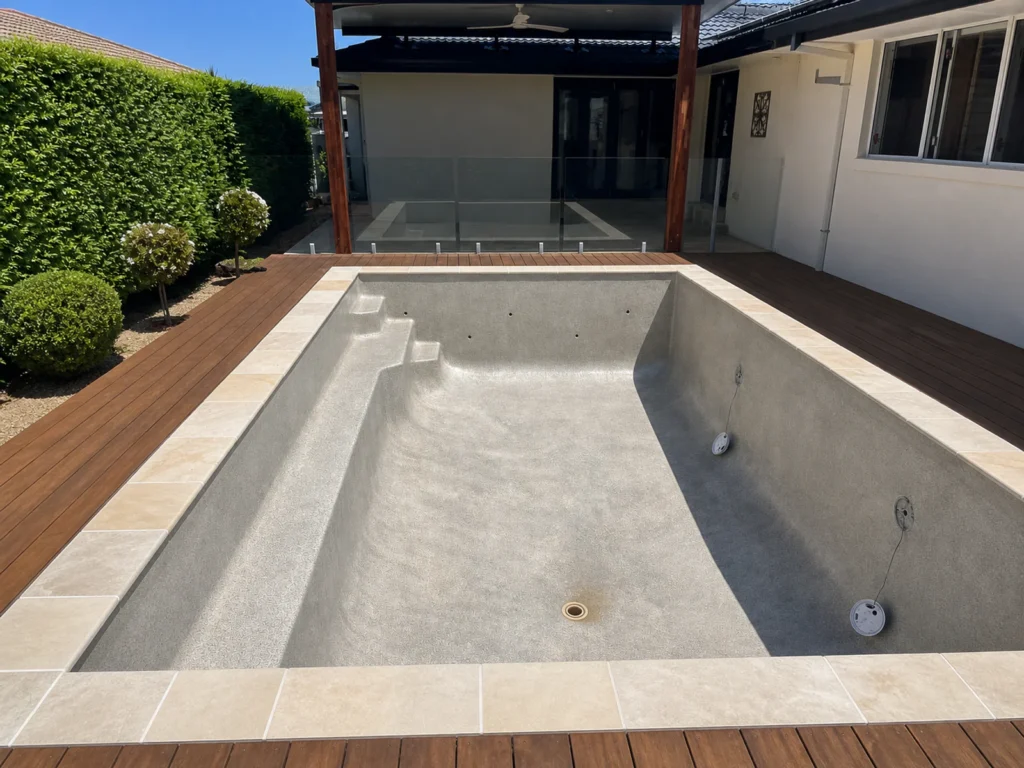
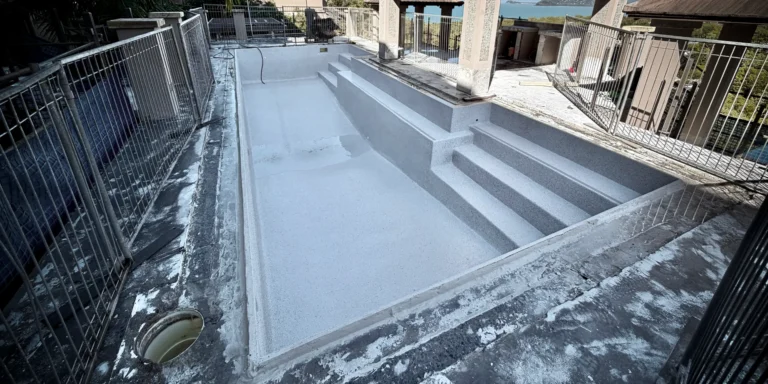
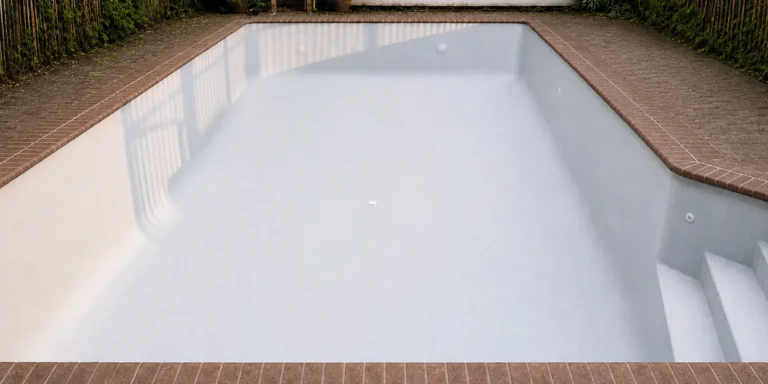
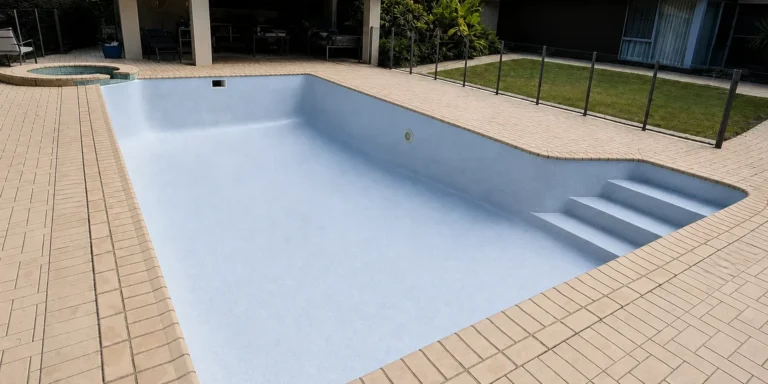
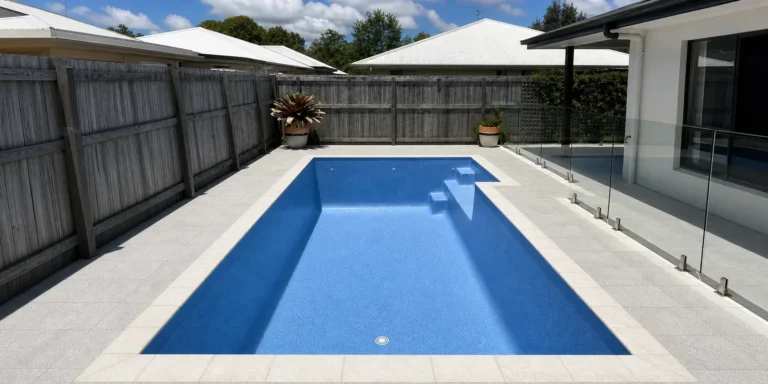
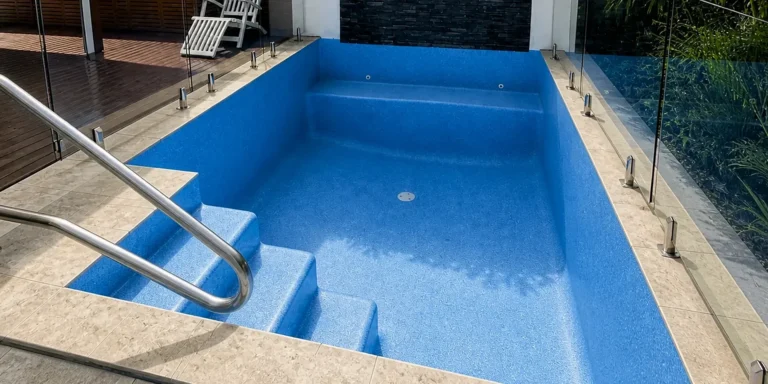
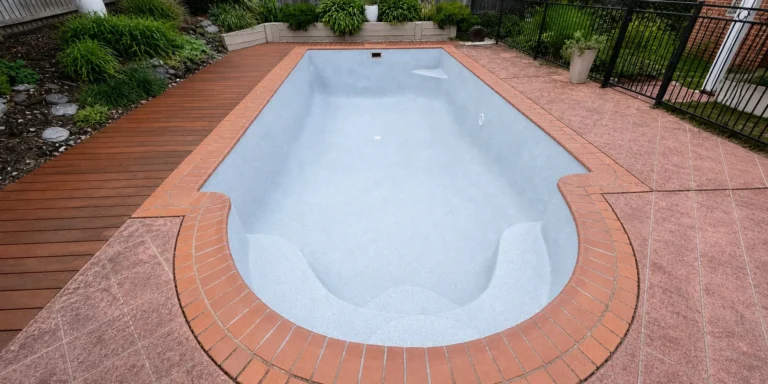
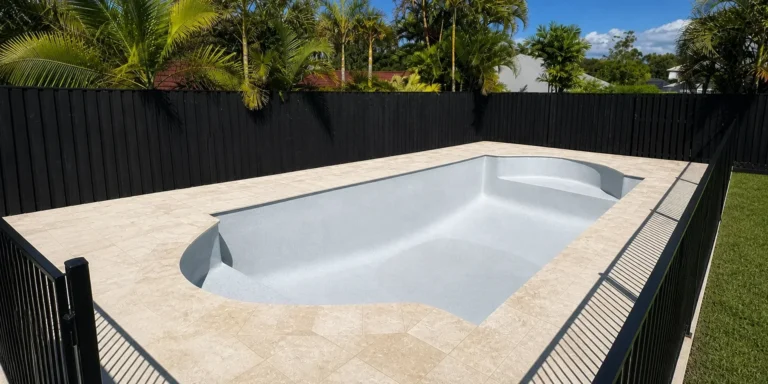
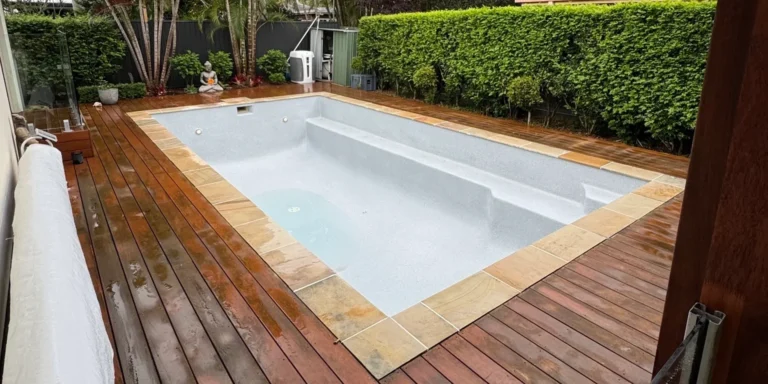
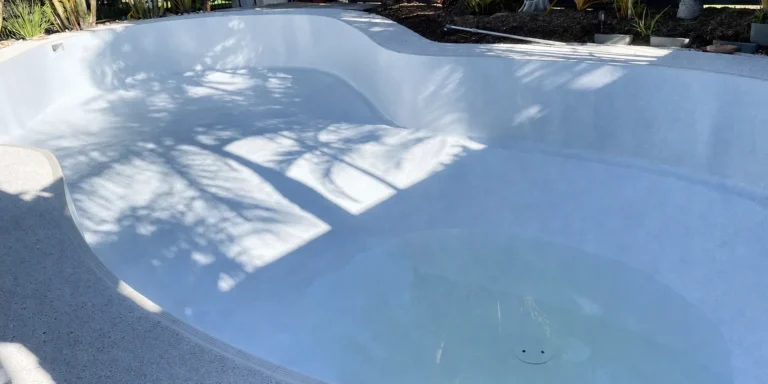
Fibreglaze removes loose material, repairs identified defects and levels the prepared surface before installing a continuous reinforced fibreglass lining. The pool is completed in your selected AquaGuard colour, creating a smoother, seamless interior that is more comfortable underfoot and easier to maintain.
The finished result
A smoother surface that is more comfortable underfoot
A continuous finish without exposed pebble aggregate
Common signs your Pebblecrete Pool may need resurfacing
An inspection can determine whether local repairs are suitable or whether the pool would benefit from complete resurfacing.
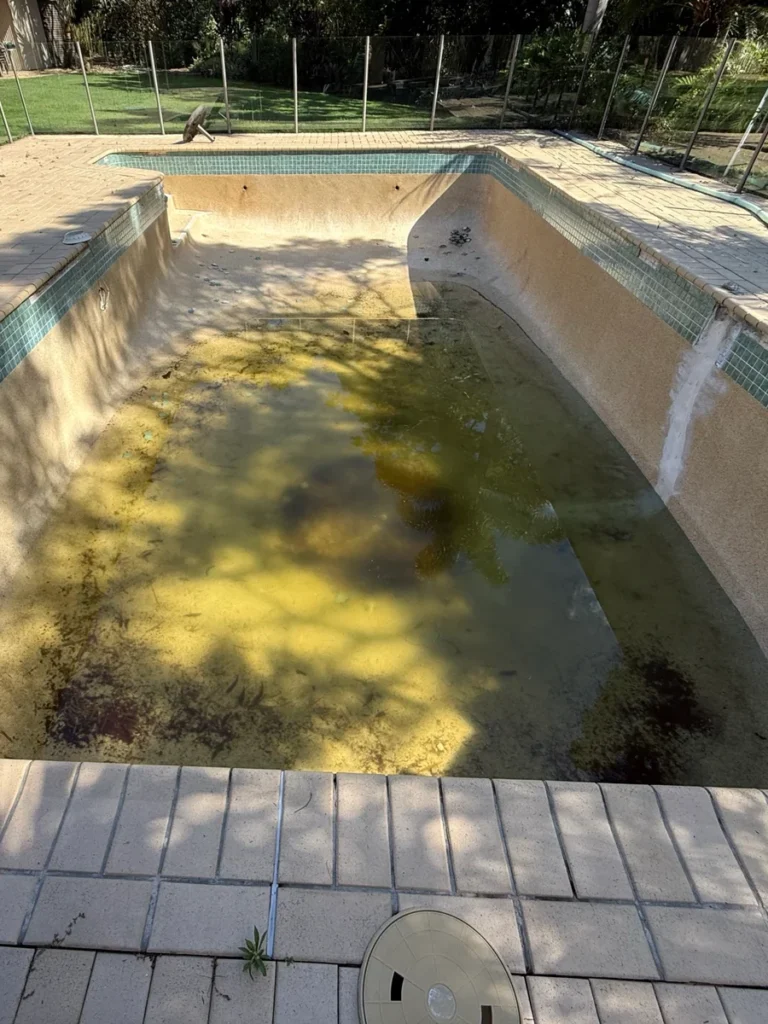
Rough, Stained or Dated
Staining, roughness and an outdated finish can make a sound pool unpleasant to use and difficult to maintain. The underlying cause must be identified before the surface is cleaned, levelled and restored.
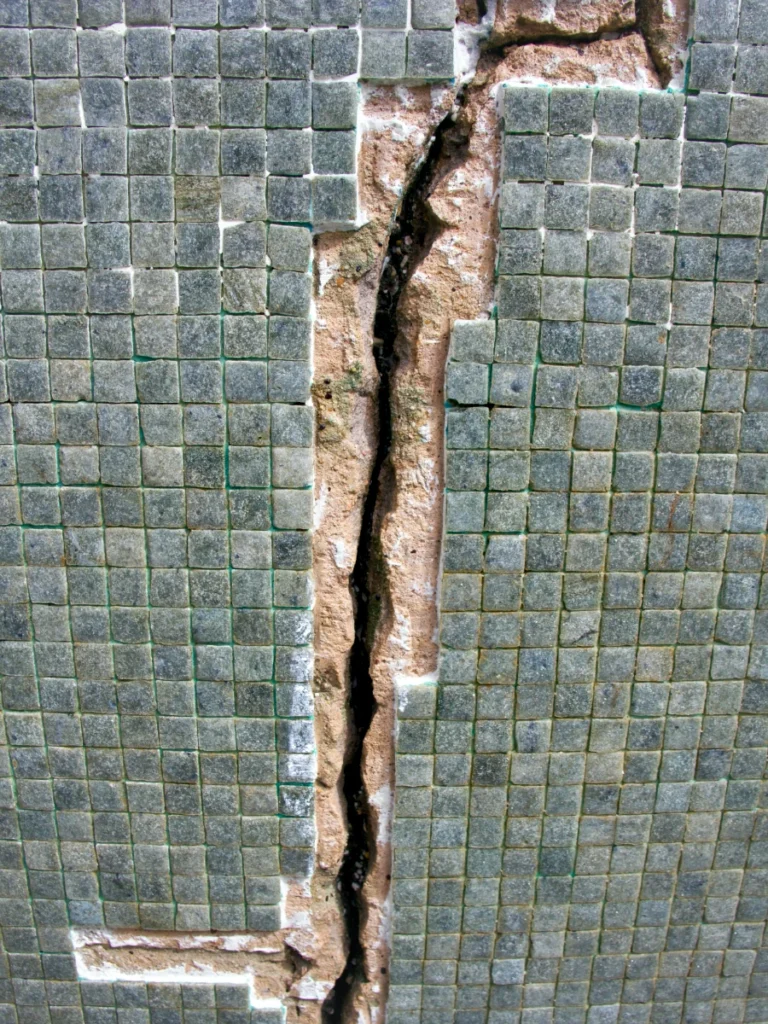
Pool cracks range from fine surface crazing to movement-related shell damage. An inspection is needed to identify the crack type, determine whether movement is continuing and select a repair that addresses more than the visible line.
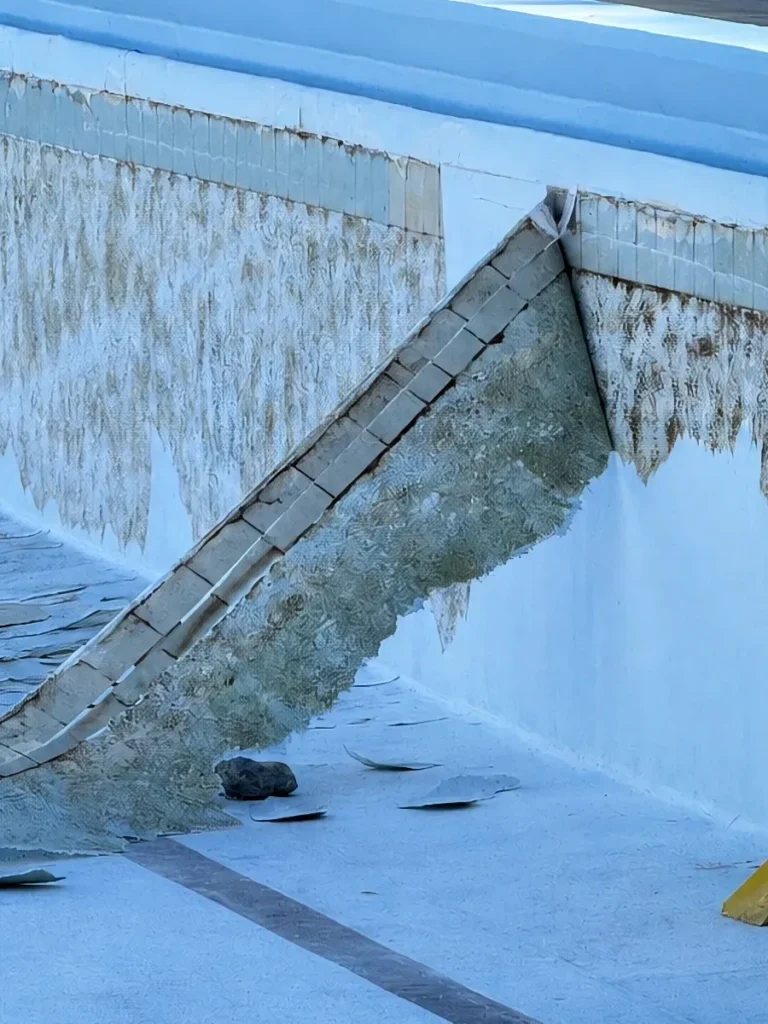
Delamination occurs when layers of a fibreglass pool or an earlier lining lose their bond. Hollow, lifted or soft areas must be removed to sound material before the laminate can be rebuilt and resurfaced.
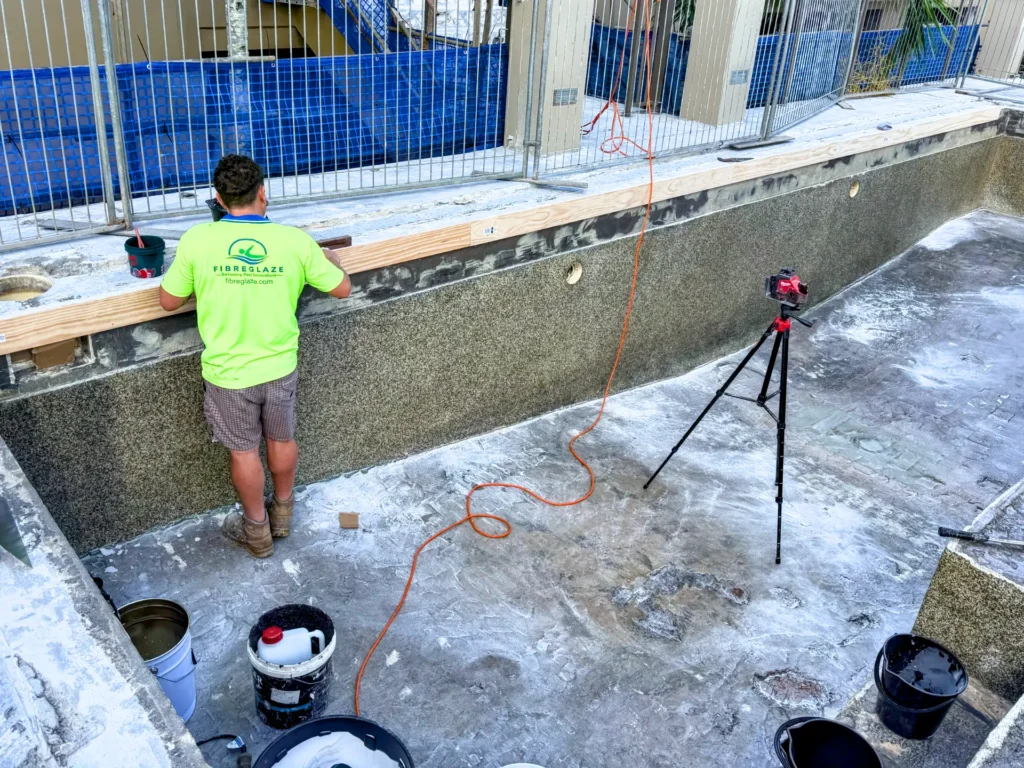
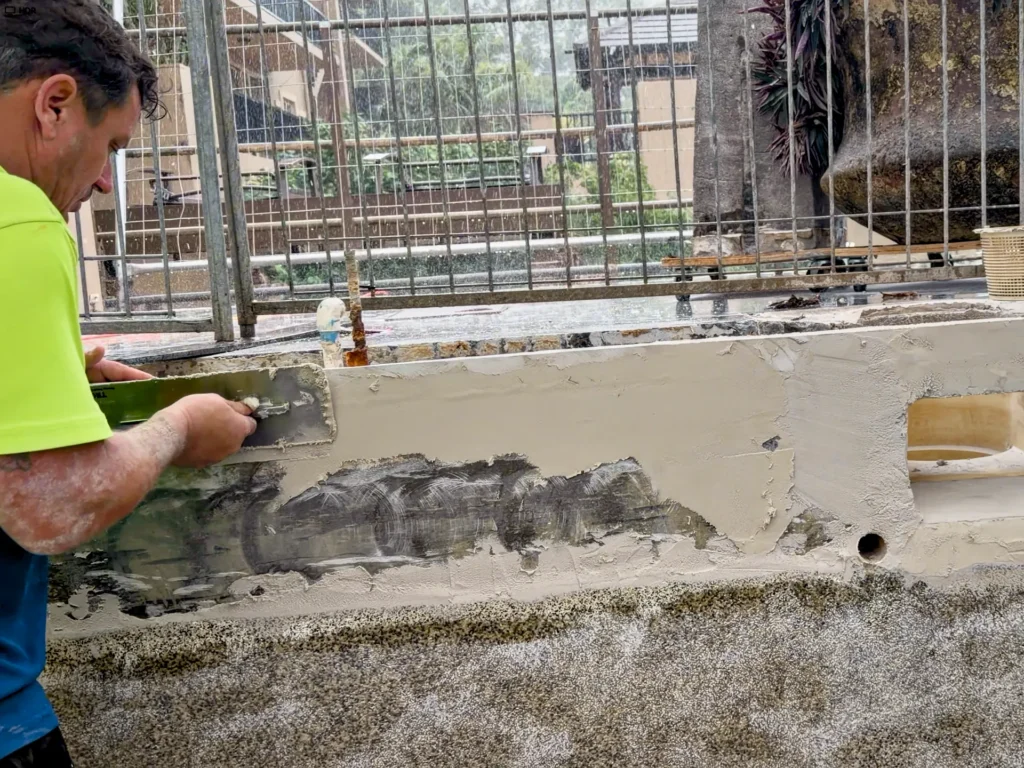
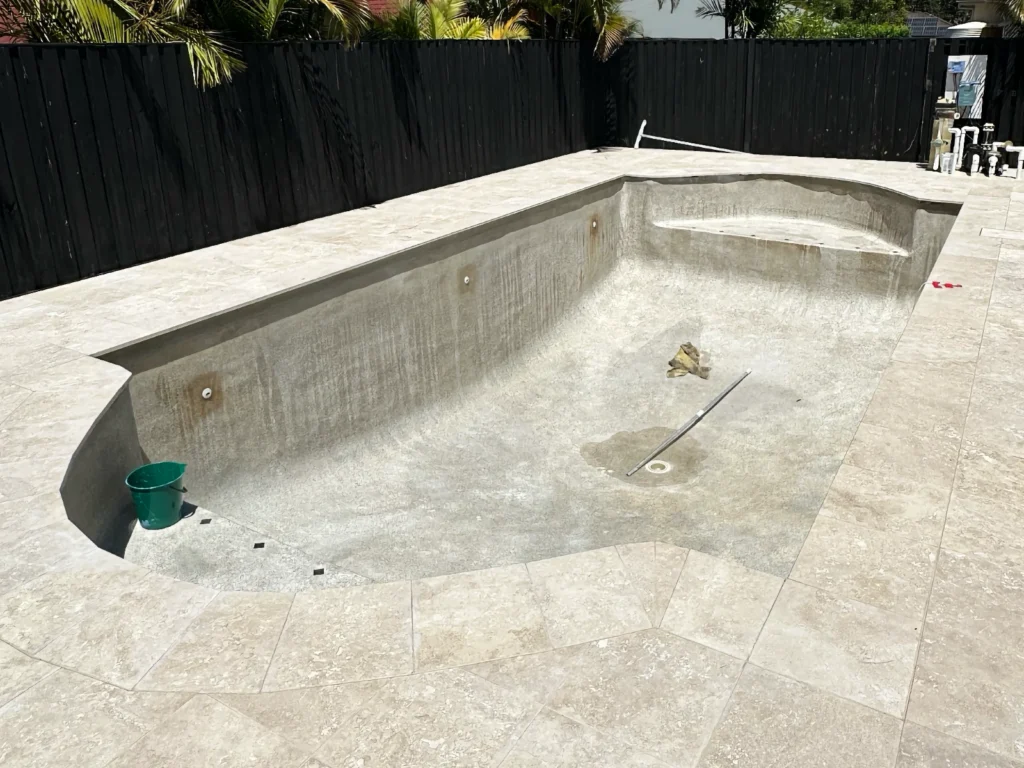
Before the new lining is installed, loose or weak material is removed, cracks and hollow areas are repaired, and the heavily textured pebblecrete is prepared and levelled. These photographs show work that will eventually be hidden beneath the finished pool interior.
Our Resurfacing Process
How we resurface a Pebblecrete Pool
Every pool is assessed individually, but the work generally follows five stages—from confirming the scope and preparing the existing surface to installing the reinforced lining and applying the selected finish.
1
Assess and plan
We review the pool details and photographs supplied with your enquiry and arrange a site inspection where required. Once the pool is empty, the exposed interior can be assessed in detail and the final preparation and repair scope confirmed. Any change to the agreed scope is discussed before work proceeds.
2
Prepare the existing surface
Loose, deteriorated or poorly bonded material is removed, while sound pebblecrete is cleaned and mechanically prepared. This reveals defects that may not have been visible while the pool was filled and creates a suitable base for the repair and lining stages.
3
Repair and level
Cracks, hollow areas and previous repairs are treated according to their condition and extent. Deeply textured, pitted or uneven pebblecrete is repaired and levelled to create a consistent profile and stable base for the new reinforced lining.
4
Install the reinforced lining
A reinforced fibreglass lining is applied across the prepared pool interior to form one continuous system. Additional reinforcement is incorporated where the assessment and repairs require it. The completed lining creates an even foundation for the selected AquaGuard colour and final surface coats.
5
Finish and handover
Two UV-stabilised AquaGuard top coats are applied in the selected colour, followed by the chosen speckle finish. Once cured, the pool is inspected, applicable fittings are refitted and the hydrostatic valve is replaced where required. Guidance is then provided for refilling, initial water balancing and ongoing care.
Share what you can see and what you would like to improve. Details about the existing surface, access and any known leaks or repairs help us prepare for the first conversation.
Approximate pool size, location and access
Visible wear, staining, leaks or previous repairs
Clear overall and close-up photographs
YOUR POOL
Tell us about your pebblecrete pool
Pebblecrete pool resurfacing enquiry
Pebblecrete Pool Resurfacing FAQs
Can fibreglass be installed over existing pebblecrete?
Often, provided the existing pebblecrete and the concrete shell beneath it are sound enough to form a stable base. Loose, hollow, deteriorated or contaminated material must be removed, while cracks, previous repairs and uneven areas are treated before the new lining is installed.
Firmly bonded pebblecrete is mechanically prepared, levelled where required and primed before the reinforced fibreglass system is applied. The final scope can only be confirmed after the pool is emptied and the exposed surface is inspected; the new surface is not simply a coating applied over untreated pebblecrete.
What affects the cost of resurfacing a pebblecrete pool?
The cost depends on the pool’s size and shape, site access, the condition and bond of the existing pebblecrete, and the extent of cracks, hollow areas, previous repairs, tiles and fittings. Deep texture or uneven sections may also require additional preparation and levelling. A quotation should clearly identify the preparation, repairs, reinforced lining, selected finish and clean-up included.
Some deterioration may only become visible after the pool is emptied. If that changes the work required, the revised scope should be discussed with you before additional repairs proceed.
How long does fibreglass pool surfacing take, and when can the pool be refilled?
The programme depends on the pool type, condition, access and repairs found after it is emptied. Draining, preparation, drying, repairs, installation, curing and refilling are separate stages, and weather can affect several of them. Pools with osmosis, failed coatings, loose tiles or concealed damage usually need more time. The pool should not be refilled until the installed system has reached its required cure and the contractor confirms it is ready. Ask for a project-specific programme rather than relying on a generic number of days.
Can pool stains be removed without resurfacing the pool?
Many stains can be treated without resurfacing when the underlying finish is sound and the stain type is correctly identified. Organic, metal and mineral deposits require different treatment approaches, so the safest starting point is water testing and a controlled test on a small area. Resurfacing becomes more relevant when stains are deeply embedded, repeatedly return through a porous surface, or occur with widespread roughness, pitting, peeling or earlier failed repairs. Correcting the stain source remains important after either treatment.