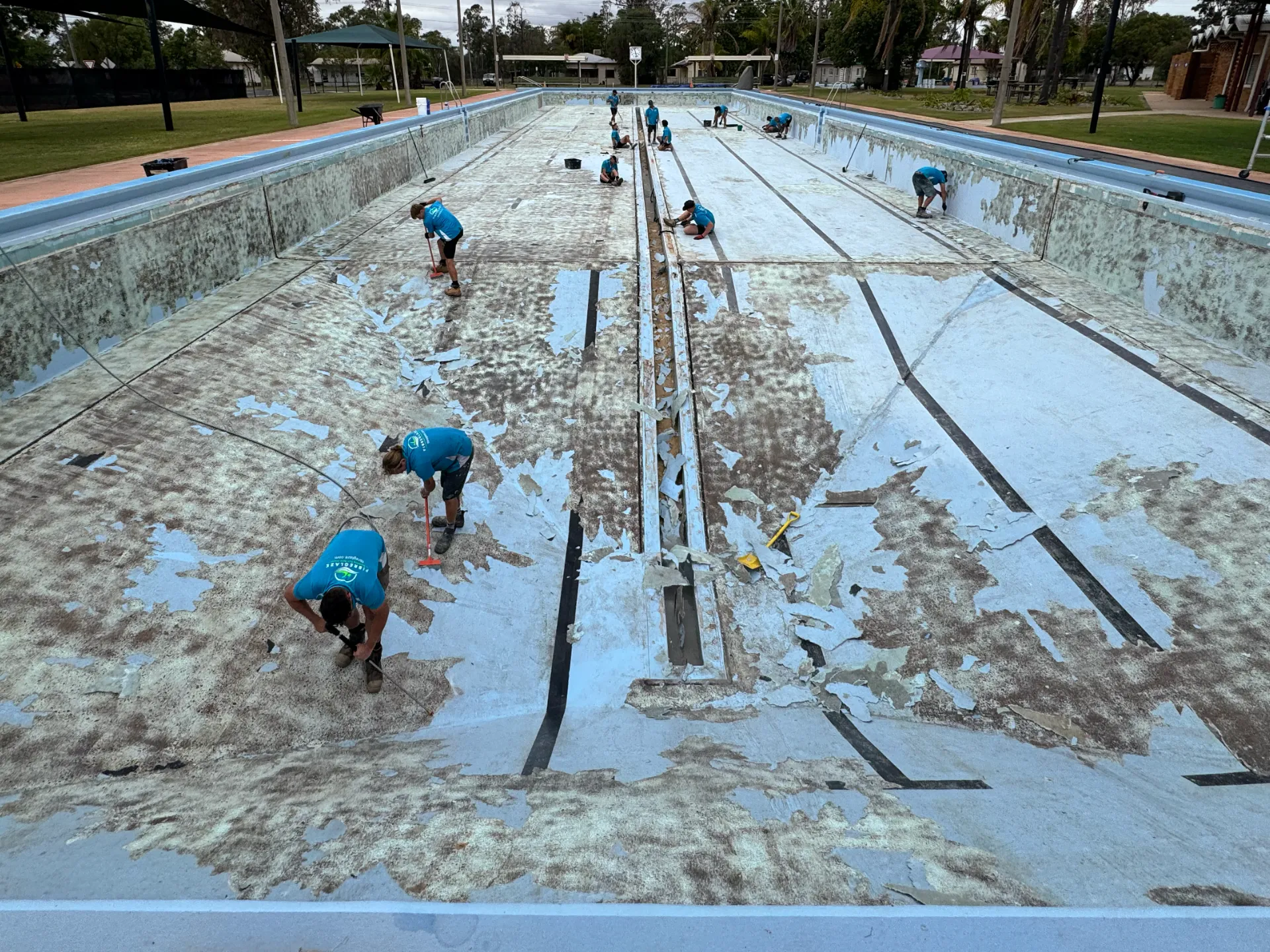
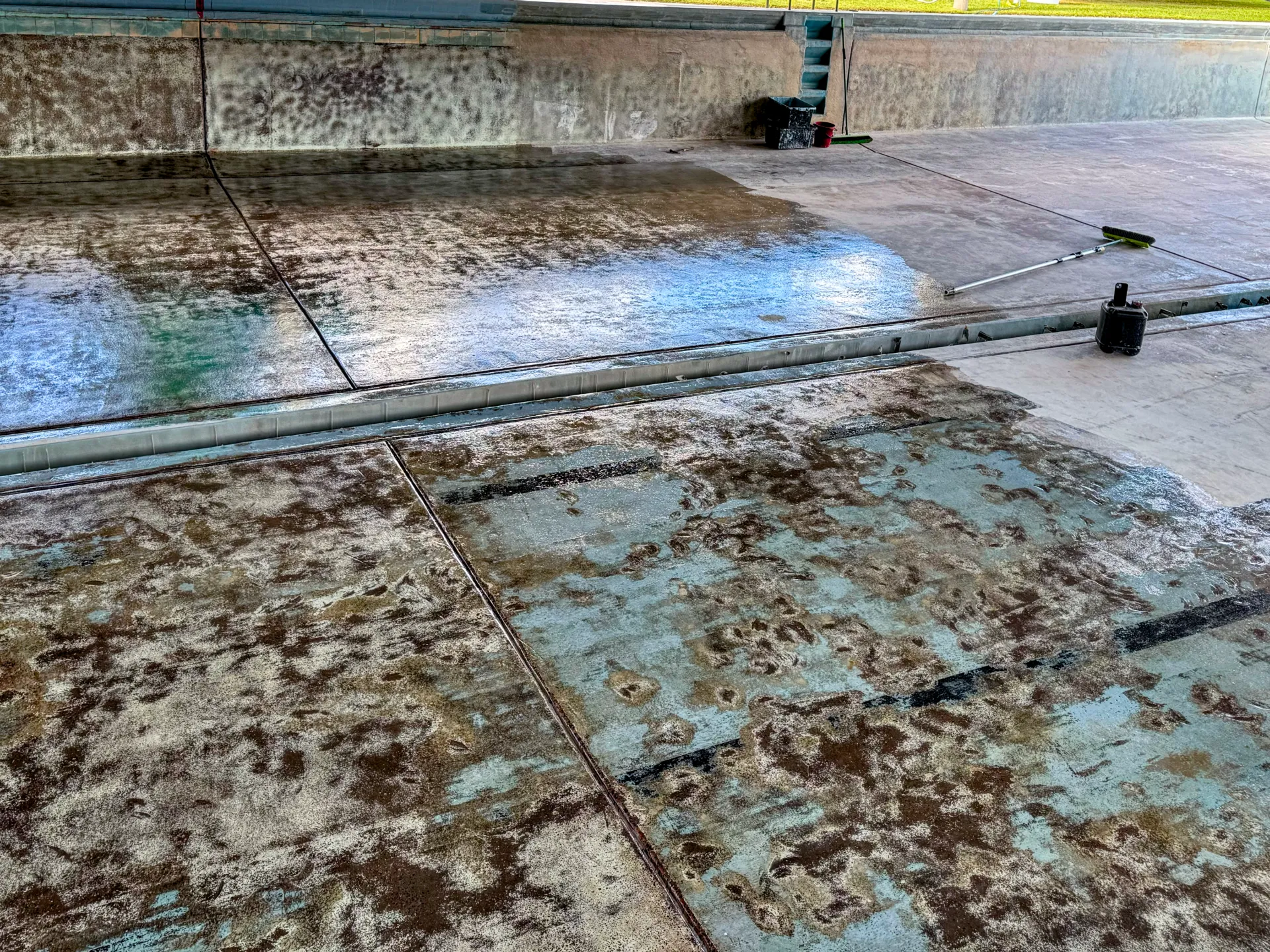
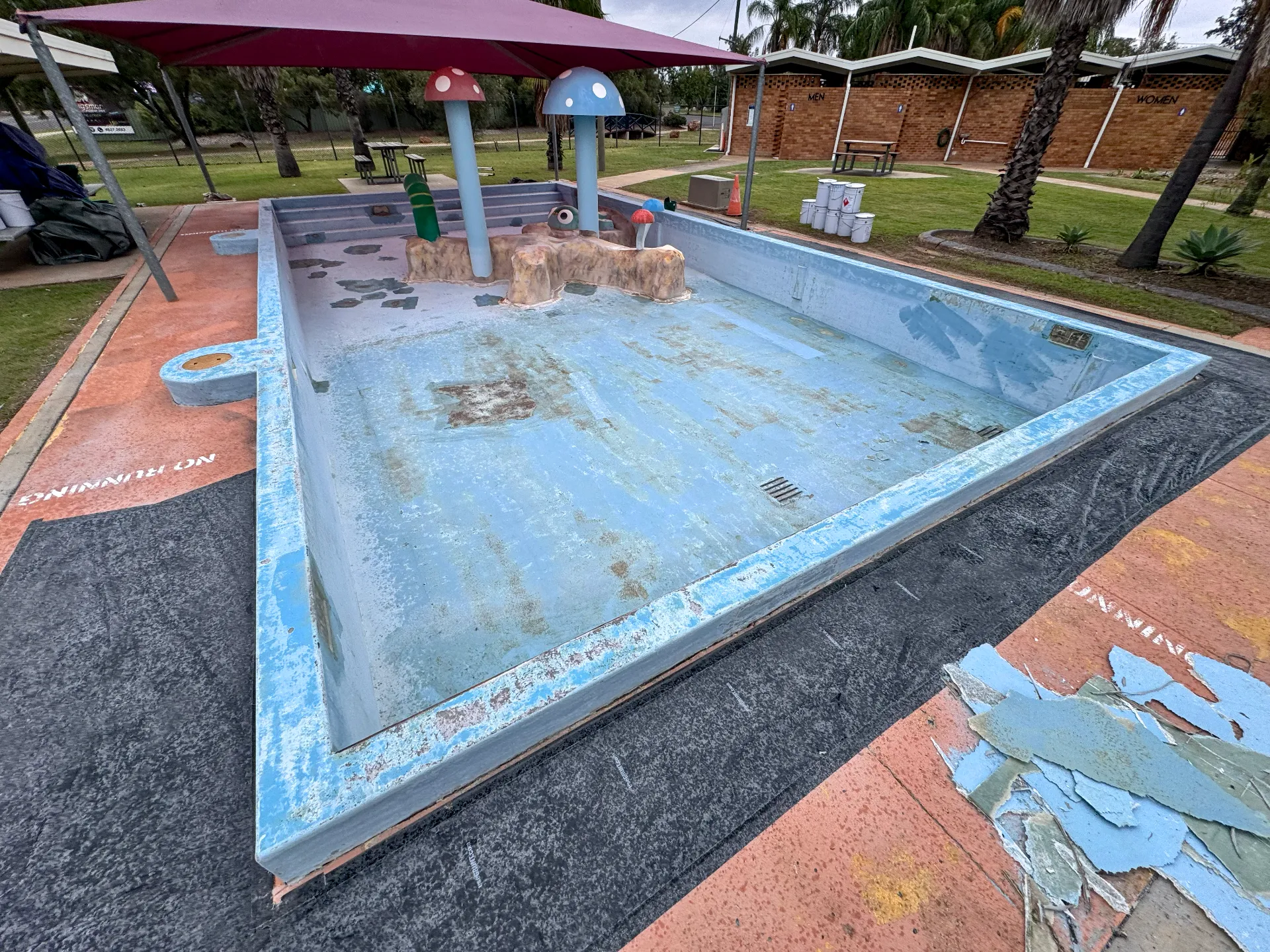
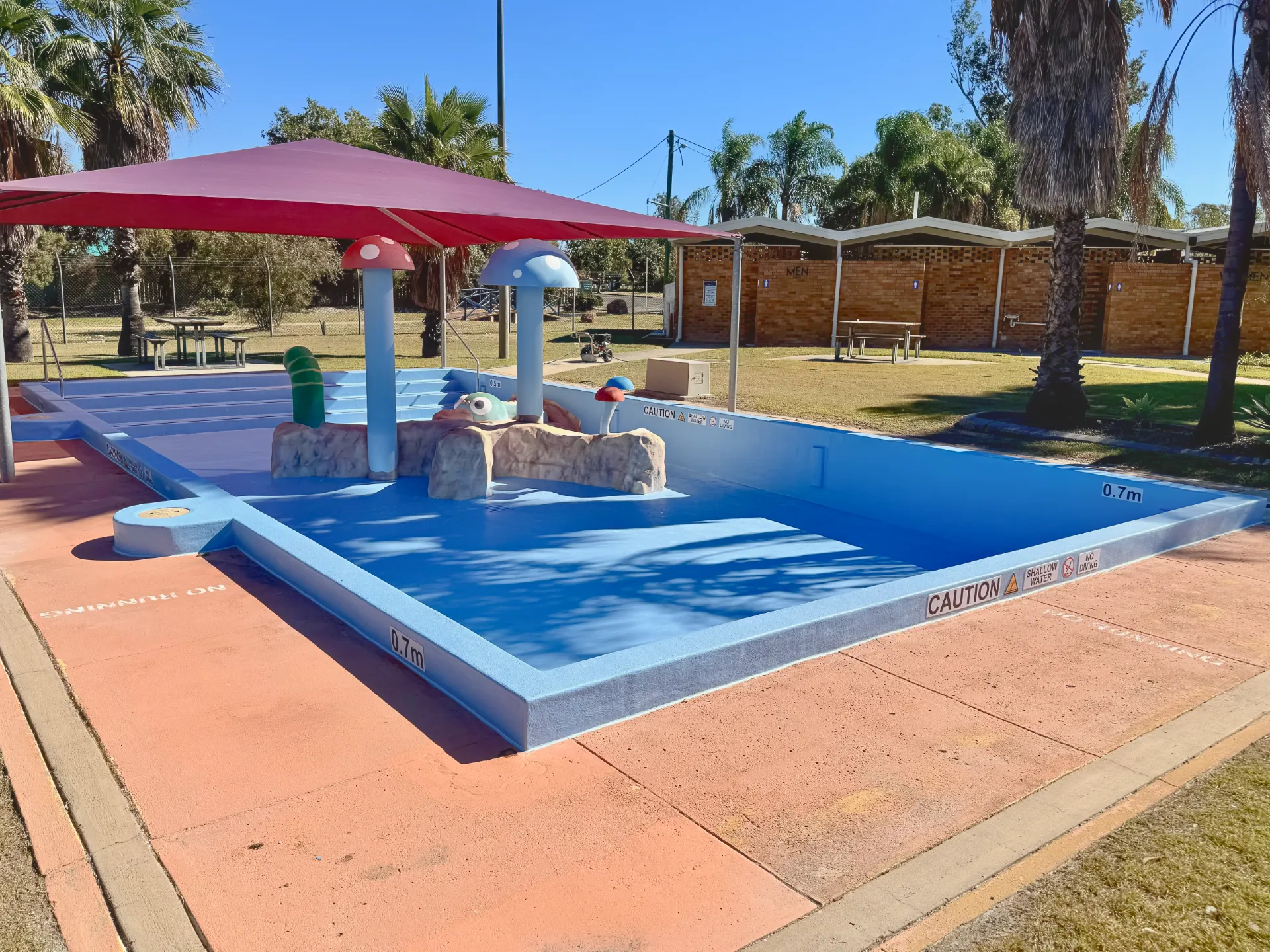
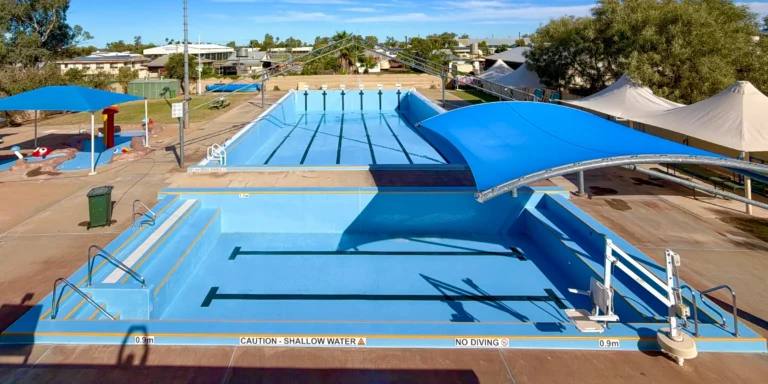
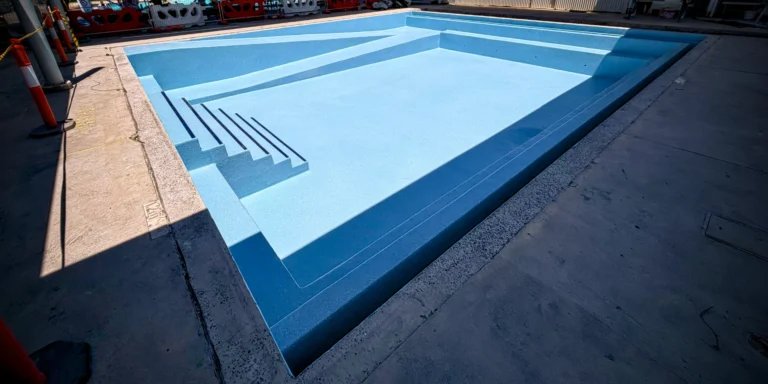
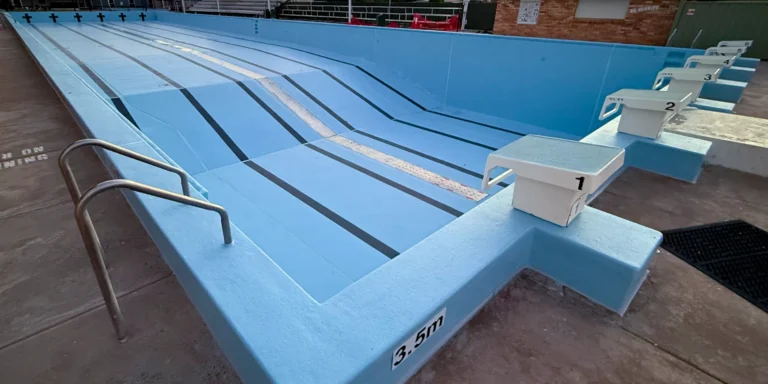
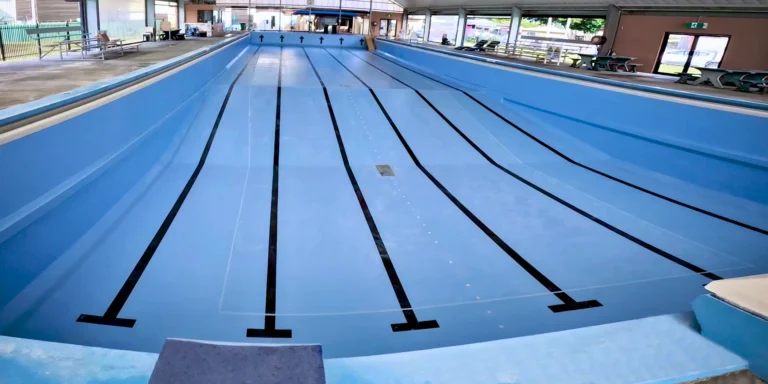
Throughout May to June 2025, Fibreglaze resurfaced two public pools for Western Downs Regional Council in Miles, Queensland: the 50m Olympic pool and children’s wader. Each concrete pool had an existing fibreglass lining, with osmosis blistering and significant areas of delamination that required removal. The pools also had faded, worn, stained, rough and dated surfaces. The pools also presented with cracking around where the existing concrete expansion joints had been previously fibreglassed over.
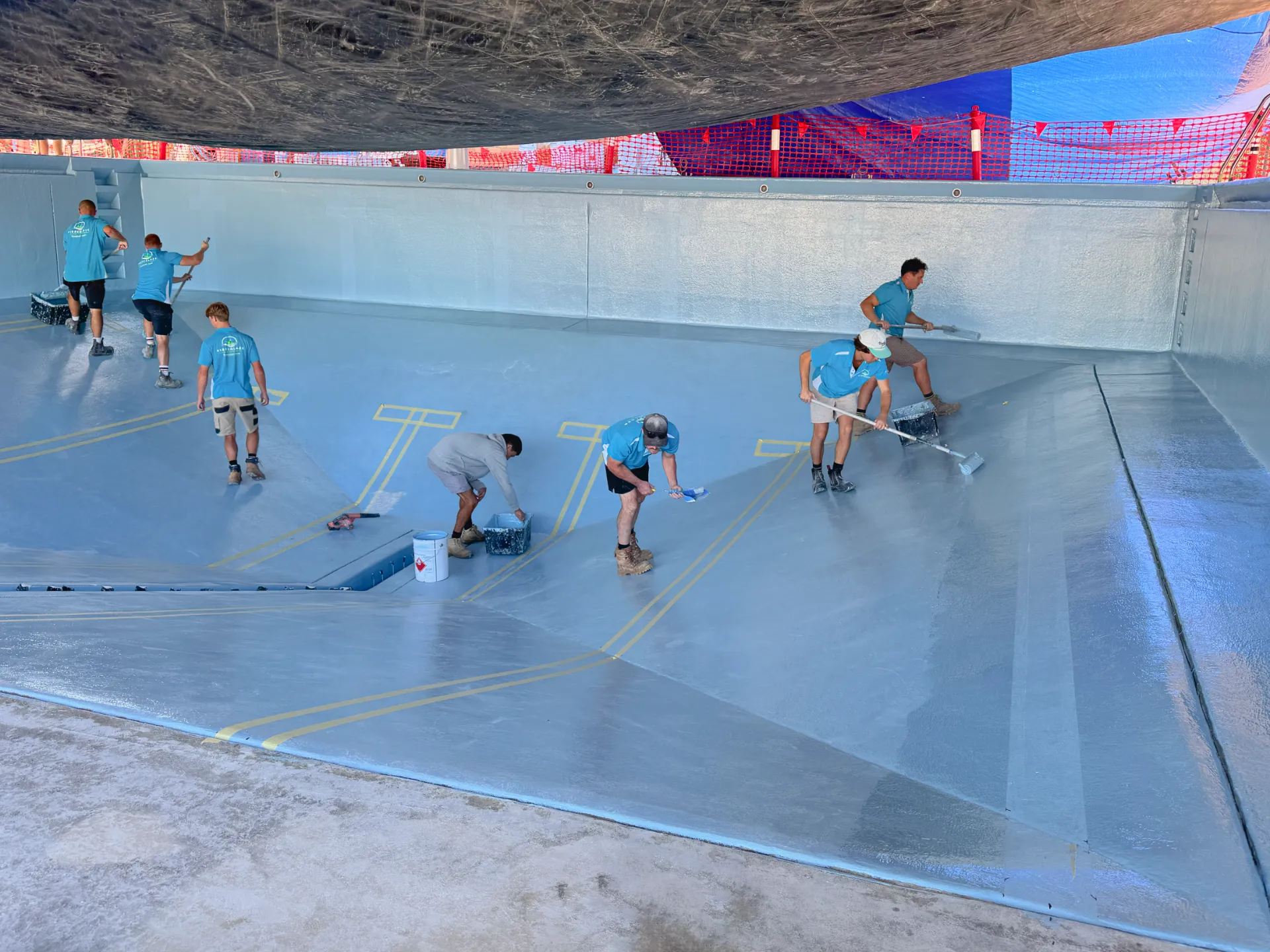
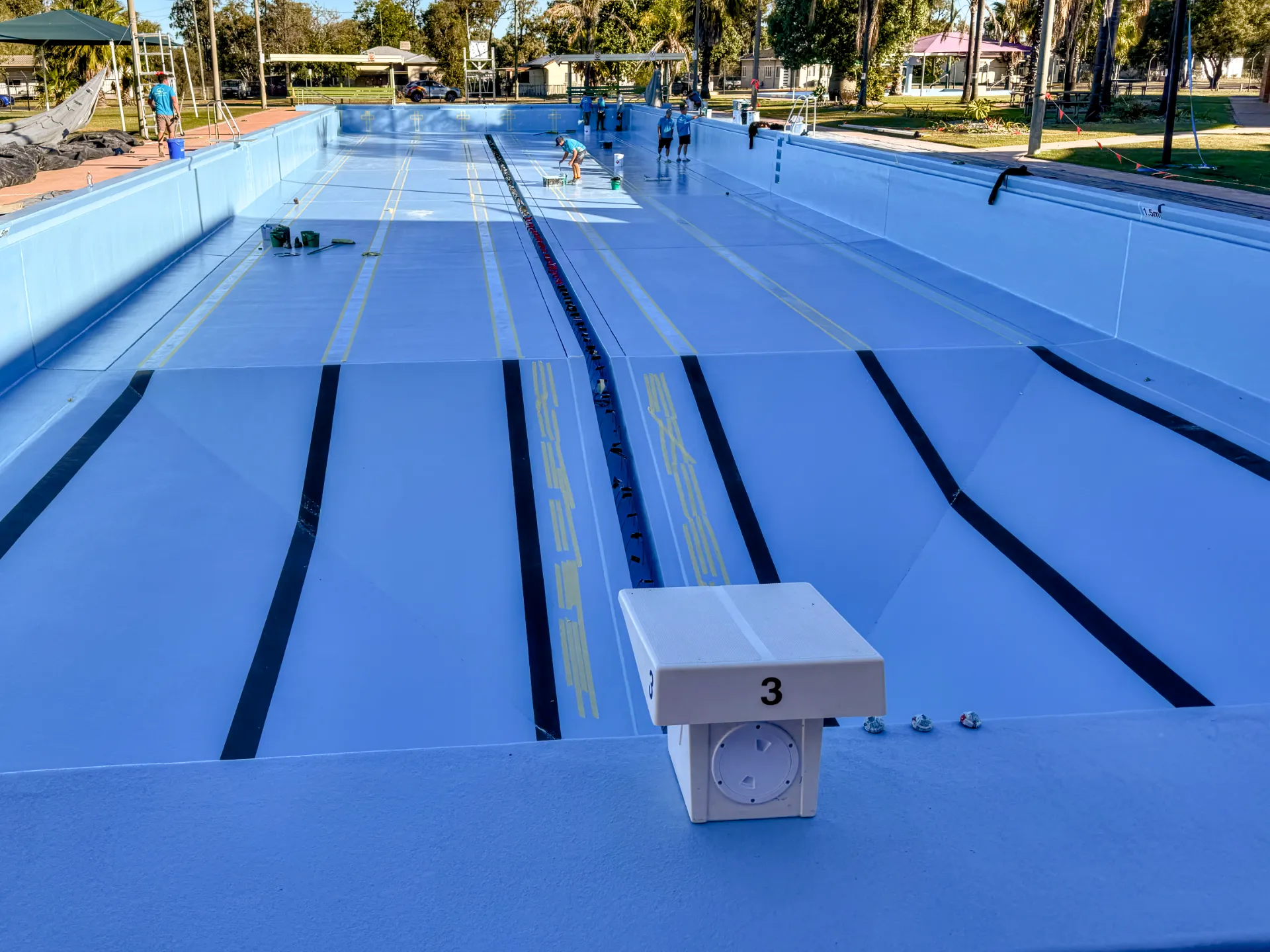
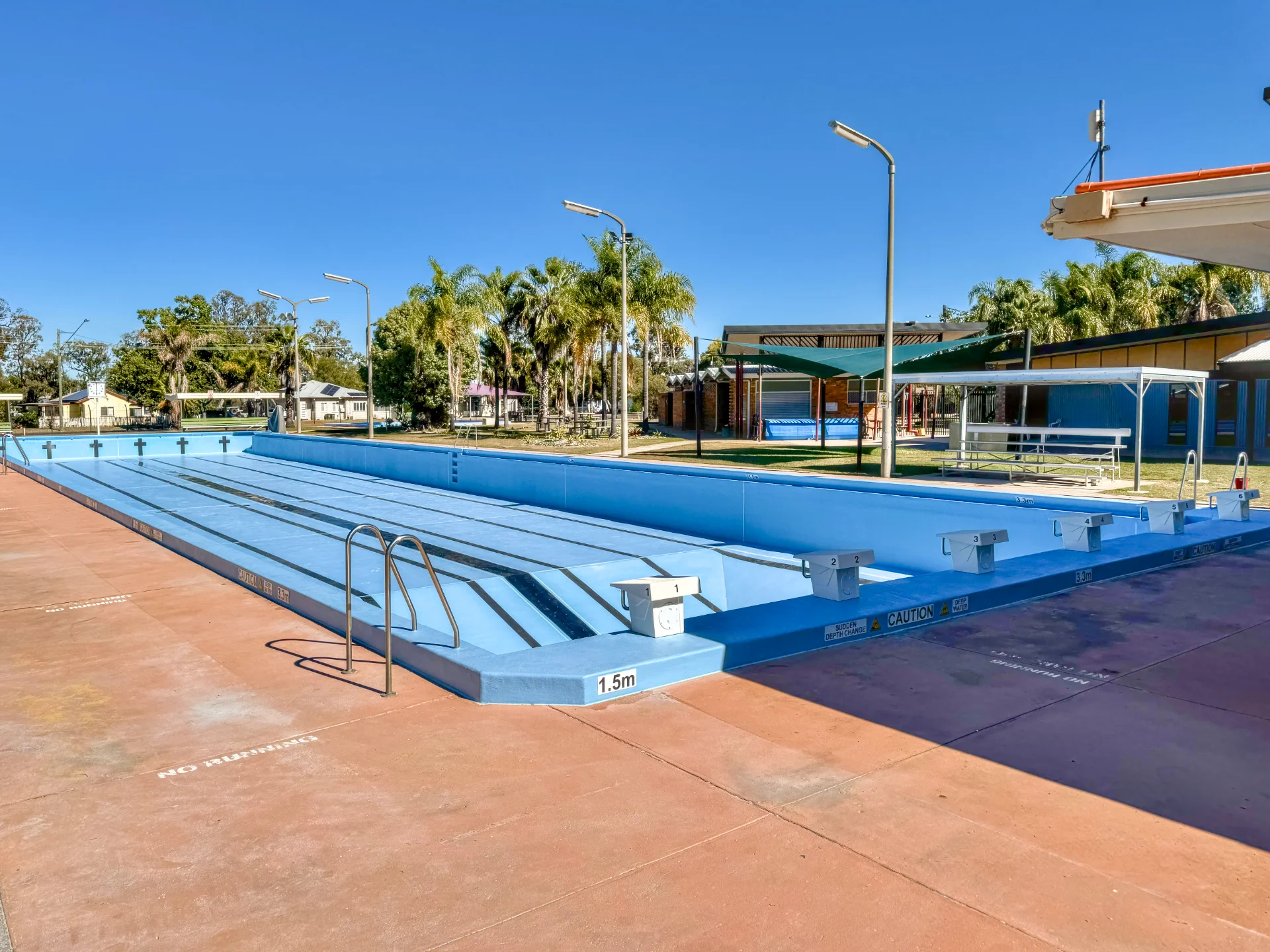
Fibreglaze removed the failed laminate and reinstated the existing expansion joints. The prepared concrete shells were then resurfaced with the Enduratec System including reinstatement of new lane markings and pool warning signage. The 12 man team was bolstered by both Fibreglaze directors and all senior branch managers who worked on site and oversaw the project from preparation through to handover.
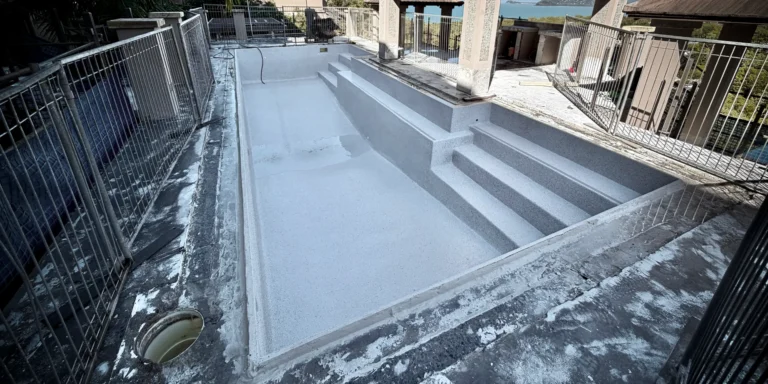
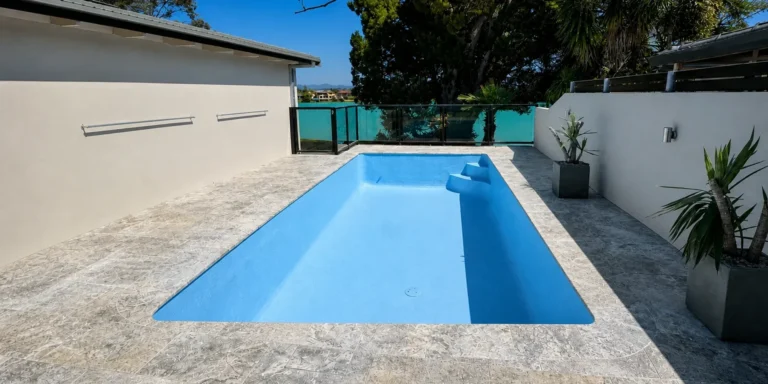
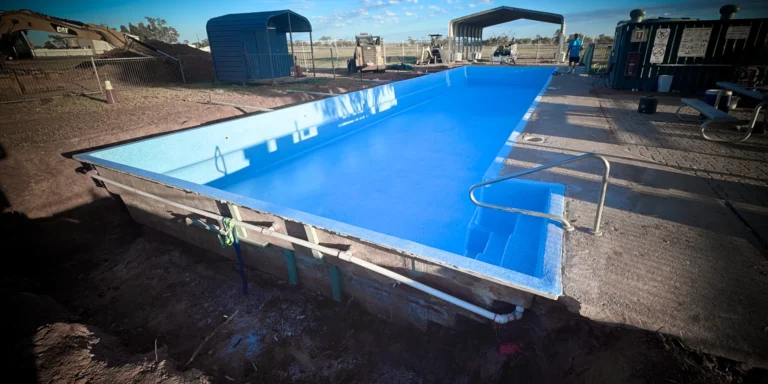
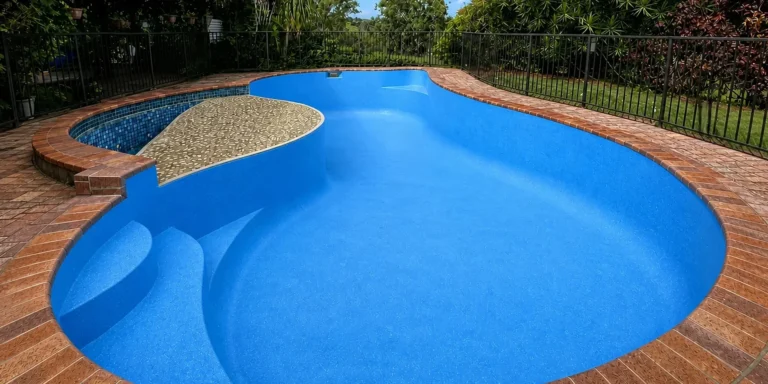
These photographs follow the work from the pool’s original condition through preparation and repair to the completed finish.
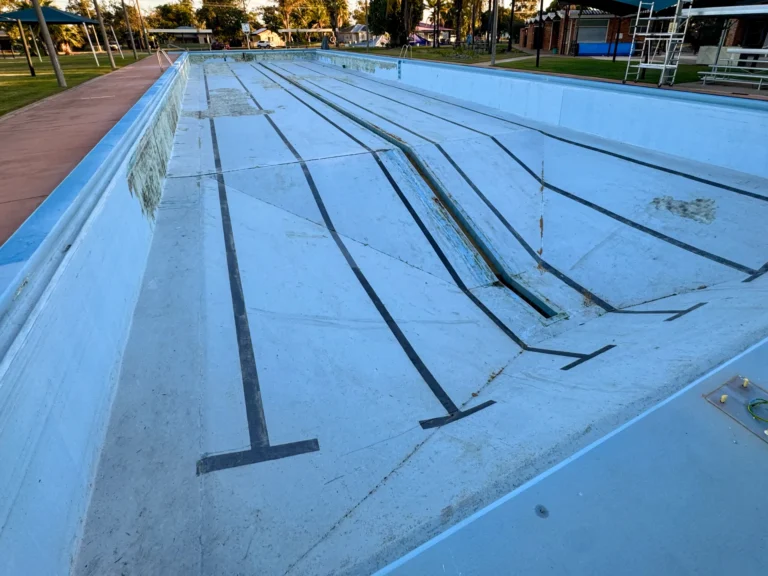
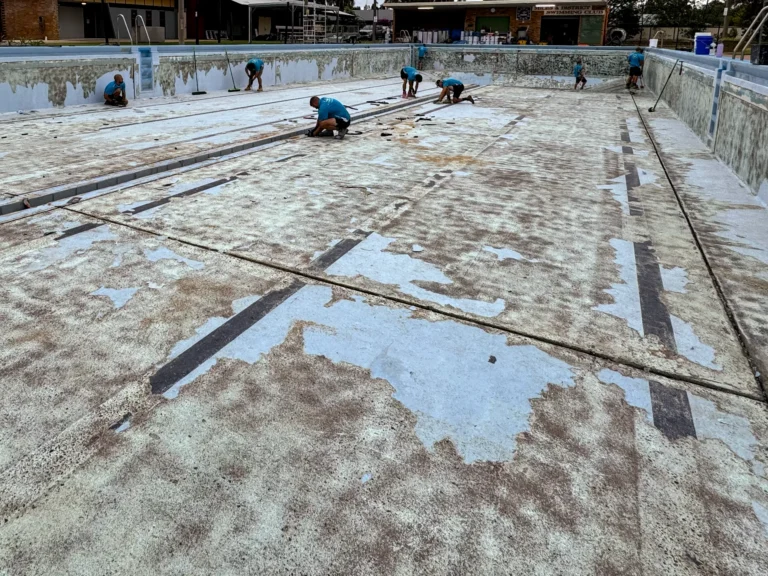
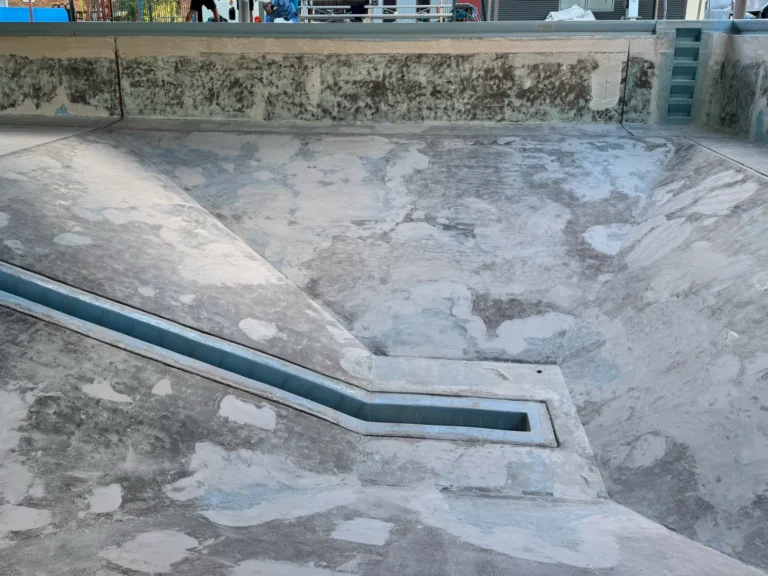
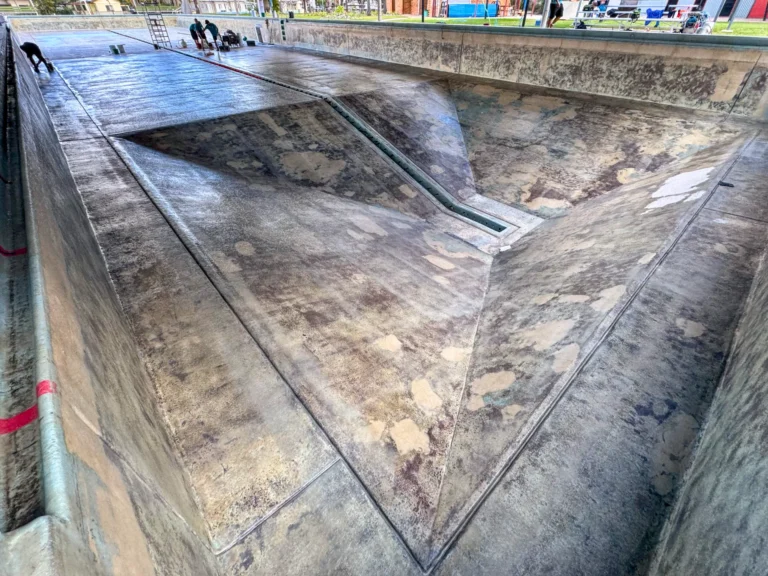
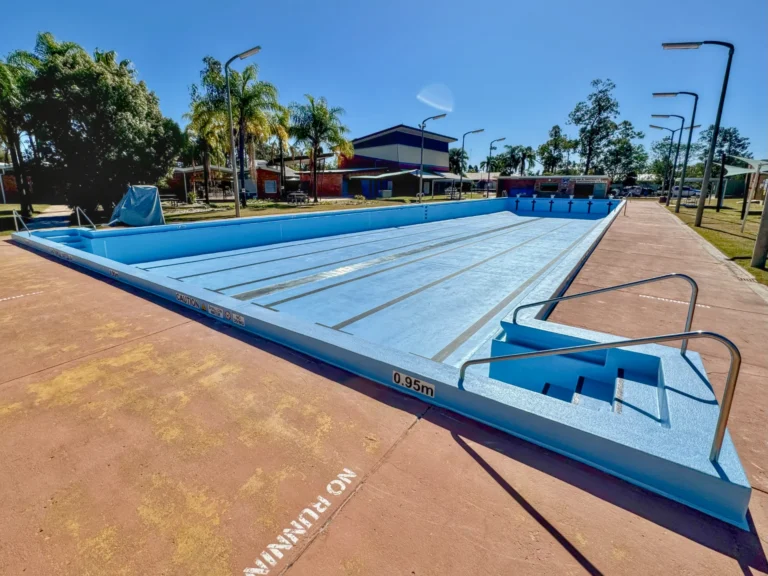
These were the main pool conditions recorded for this project. Select an issue to learn more about its common signs, possible causes and repair considerations.
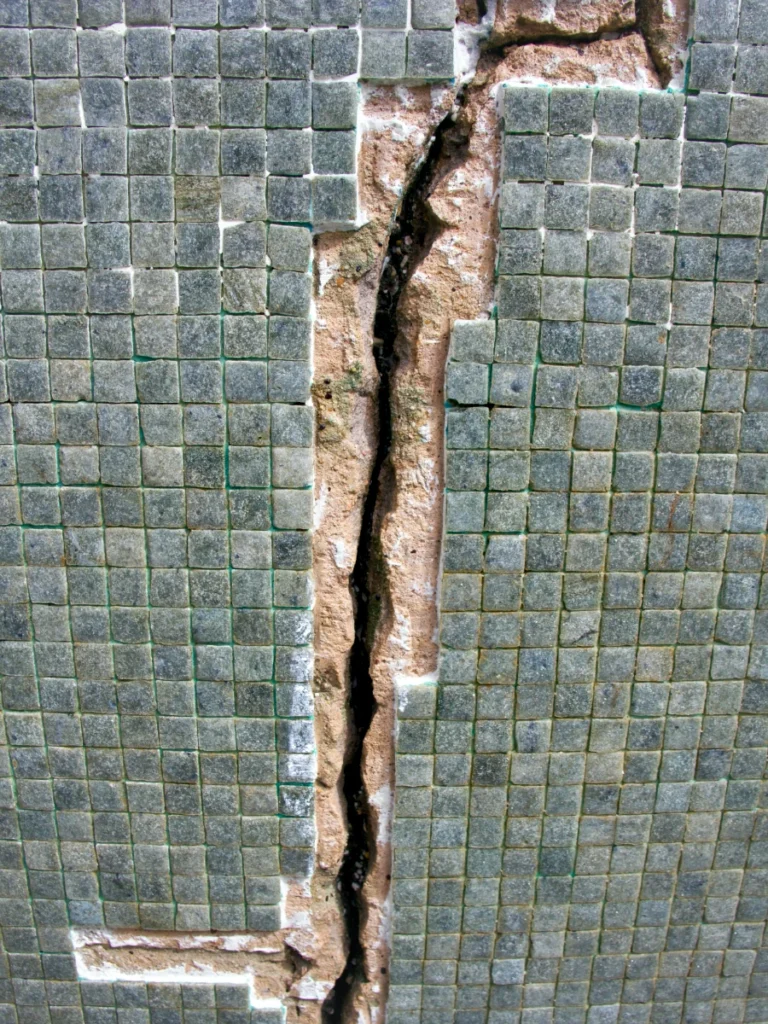
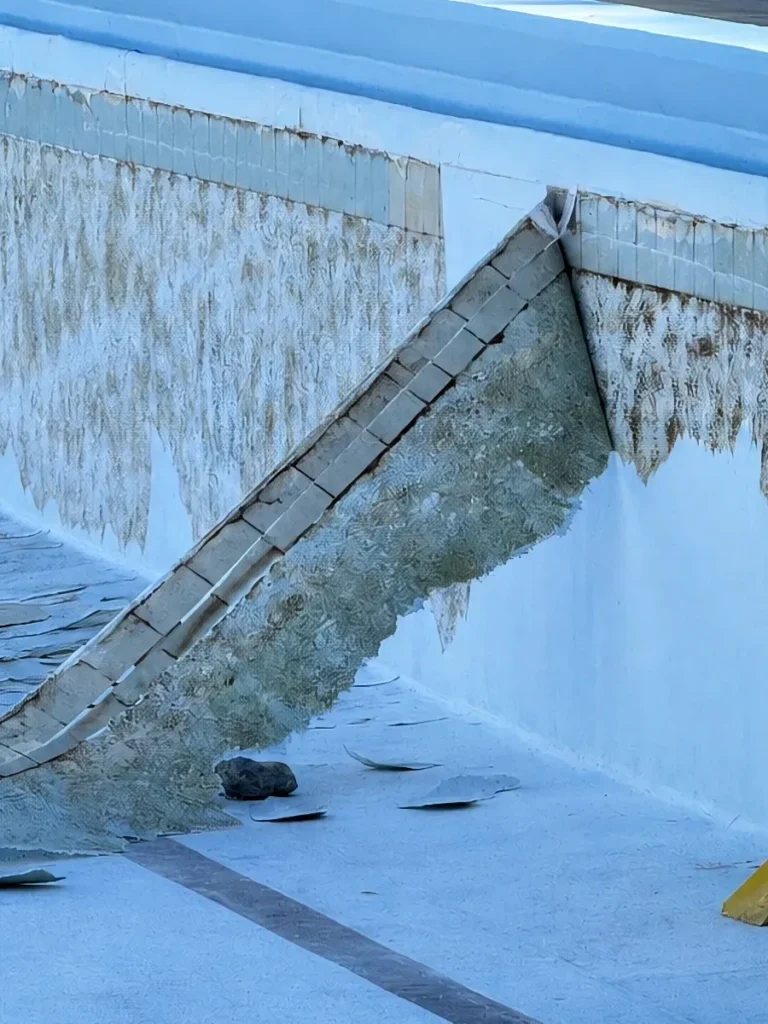
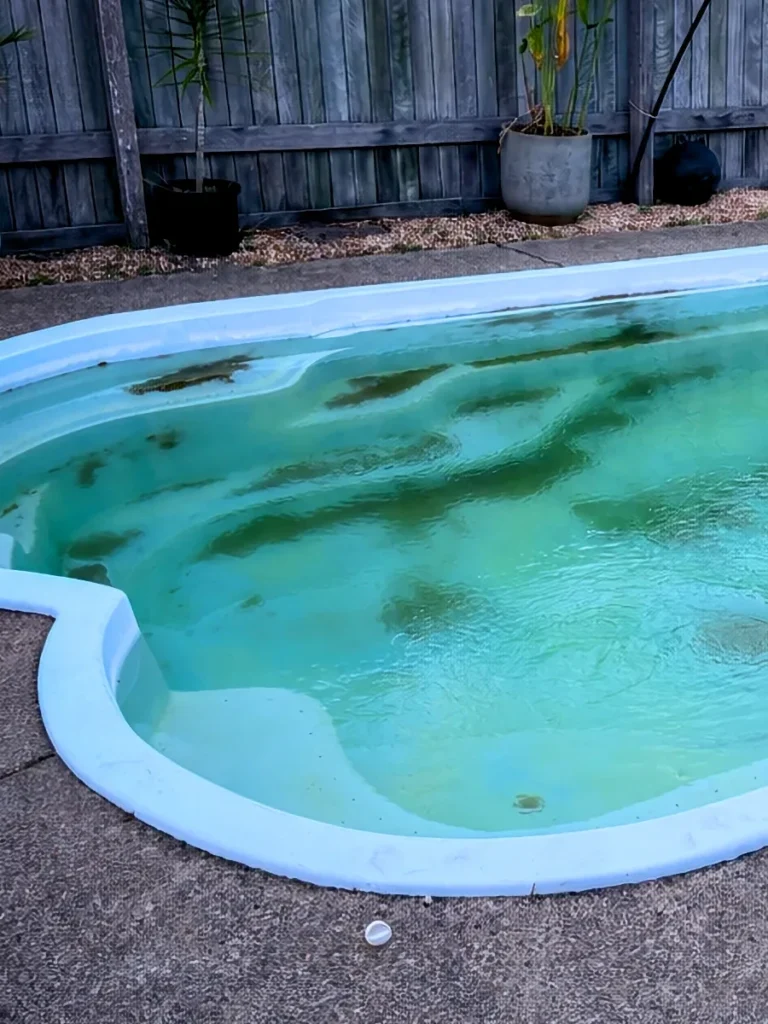
Additional views of the preparation, repair work and completed finish.
I thoroughly enjoyed working with Fibreglaze and would be happy to recommend them for future work.
Answers to common questions about the pool conditions and restoration work shown in this project.
Delamination may appear as a raised sheet or bubble, a soft or flexible area, flaking around an edge, or a section that sounds hollow when lightly tapped. Water may be released when a failed area is opened. The visible boundary can be smaller than the separation underneath, so tapping alone cannot confirm the full extent. A systematic inspection is needed to map unstable areas and determine whether the separation is limited to the surface or extends into the original laminate.
These are common signs that the existing gelcoat is oxidising or wearing away. If the surface is faded, difficult to clean, rough underfoot or no longer holding its colour, resurfacing will restore a smooth, fresh-looking finish.
A fine hairline crack is not automatically structural, but its width alone does not determine the risk. Location, depth, direction, displacement, moisture, surrounding soundness and whether it is growing are all important. Fine crazing may be limited to the surface, while a crack through the shell can admit water or indicate movement. Photograph and mark the crack so changes can be monitored, and arrange an assessment if it is widening, leaking, recurring through repairs or associated with movement.
Oxidised gelcoat commonly looks faded, patchy or chalky and may leave a powdery residue when rubbed. Calcium scale is a mineral deposit added to the surface, so it is more likely to feel raised, crusted or sandpaper-like, particularly around the waterline and high-evaporation areas. Staining and scale can also sit over a worn finish, making visual diagnosis difficult. Check the water balance and have the surface assessed before using aggressive chemicals, because a treatment suited to scale can further damage ageing gelcoat.
Ongoing water loss, damp ground, staining, water movement at the crack or a bucket test that confirms abnormal loss can indicate leakage, although the actual source may be elsewhere. Structural concern increases where the crack is displaced, widening, repeated through an earlier repair or accompanied by settlement, bowed walls or movement at steps and fittings. Neither condition can be confirmed from a photograph alone. Leak testing and inspection of the surrounding shell are used to determine whether lining repair, plumbing work or structural investigation is required.
A small, clearly defined delaminated area may be suitable for local rebuilding if the surrounding laminate is dry, stable and firmly bonded. Multiple hollow areas, widespread lifting or separation associated with movement usually require more extensive removal and a continuous resurfacing system. The decision is made progressively: unstable material is removed until sound laminate is reached, then the depth and spread of the defect can be assessed. Covering hollow material without removing it is not a durable repair.
Send us a few photos and our team can help identify the likely issue and the most suitable next step.