Finish :
Pool Type :
Location :
Size :
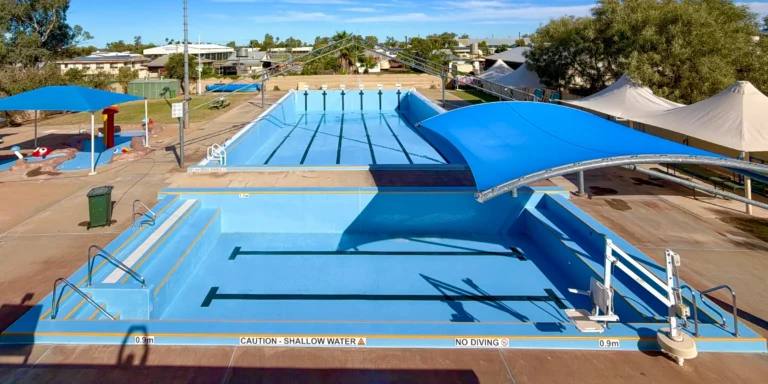
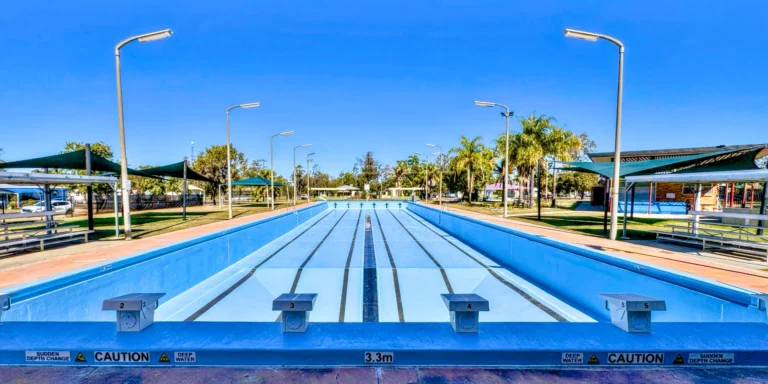
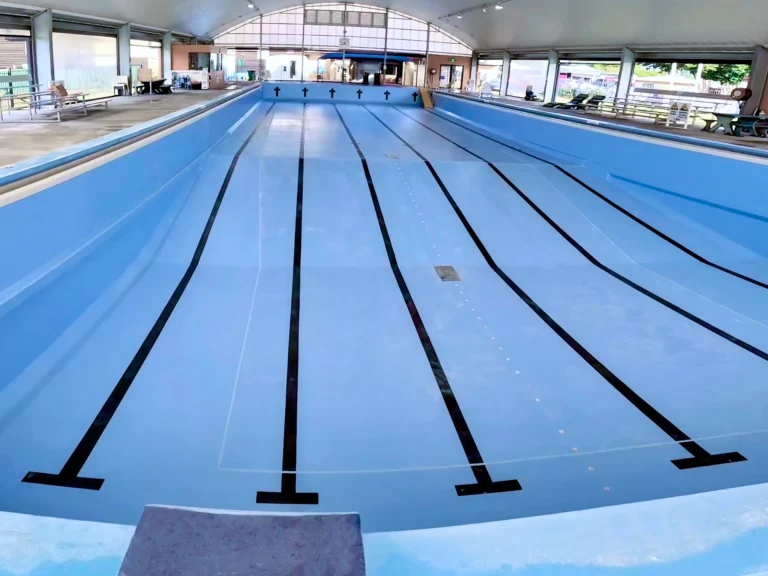
Bundaberg Regional Council engaged Fibreglaze to replace the leaking tiled interior of the Isis War Memorial Swimming Pool in Childers with a fibreglass resurfacing system. The 33m, eight-lane public pool had tiles in poor condition that Council identified as a health and safety risk.
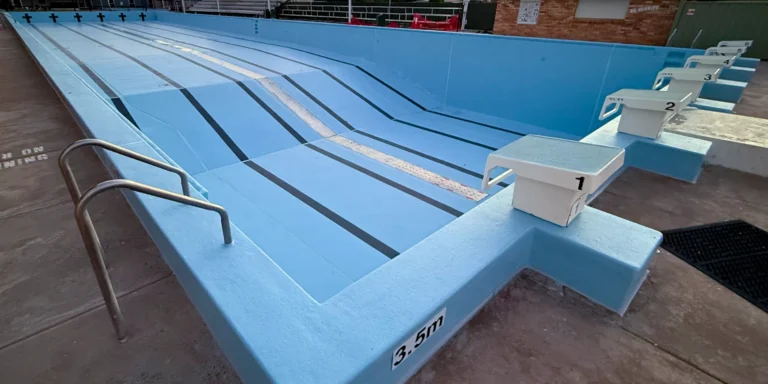
During the June 2024 shutdown, Fibreglaze removed the existing pool tiles, prepared and repaired the underlying shell, installed the Enduratec fibreglass system across the walls, floor, access steps and backstroke pockets, renewed the expansion joints, reinstated the lane and transition markings, and installed ten recessed stainless-steel lane-rope anchors. The existing tiled gutters were retained and protected.
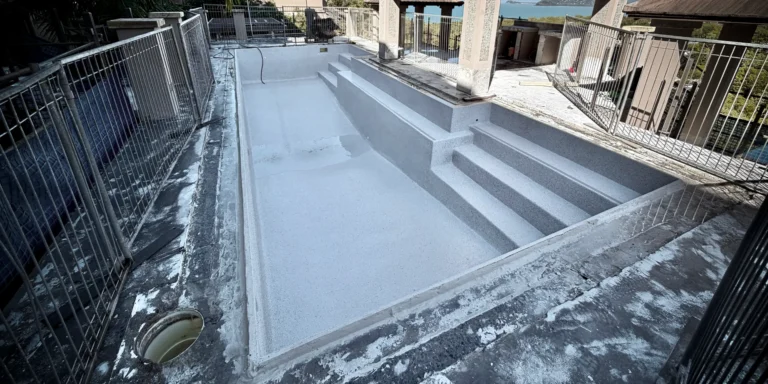
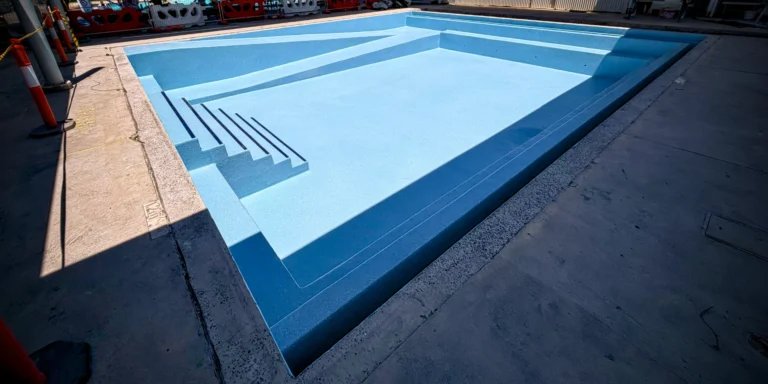
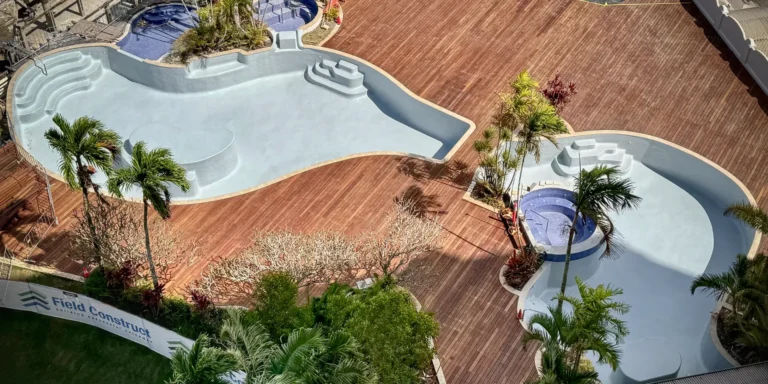
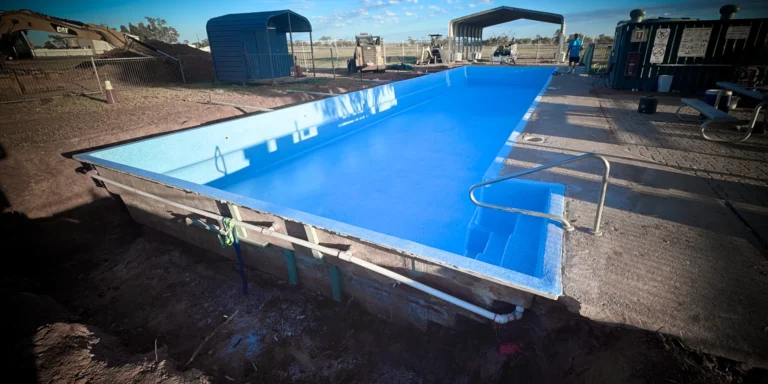
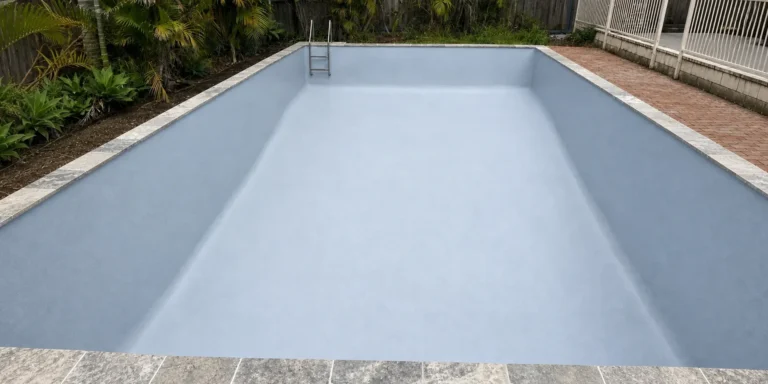
These photographs follow the work from the pool’s original condition through preparation and repair to the completed finish.
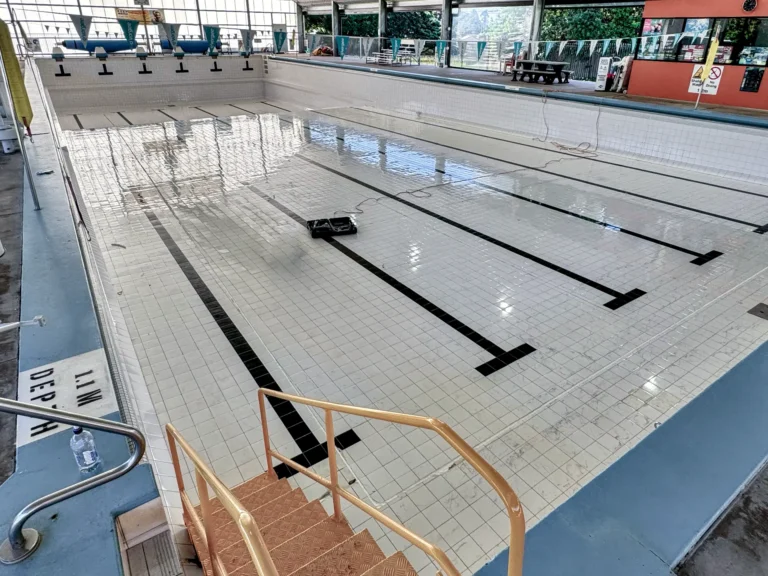
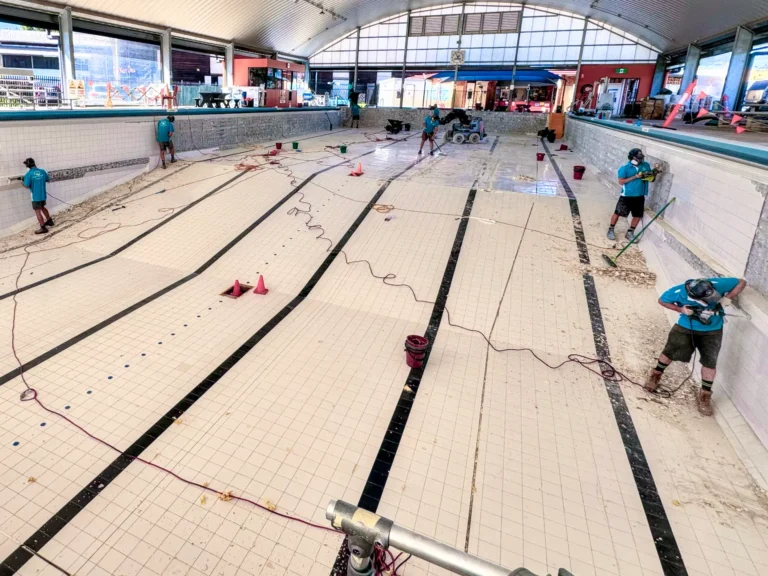
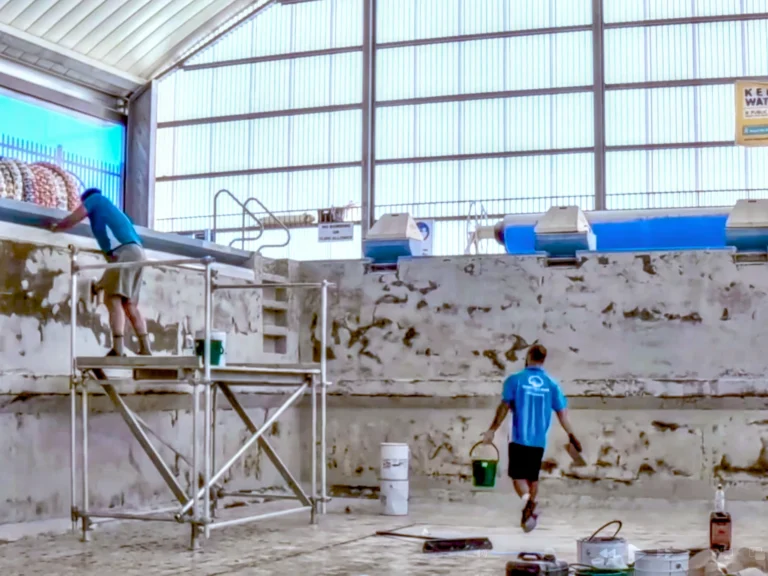
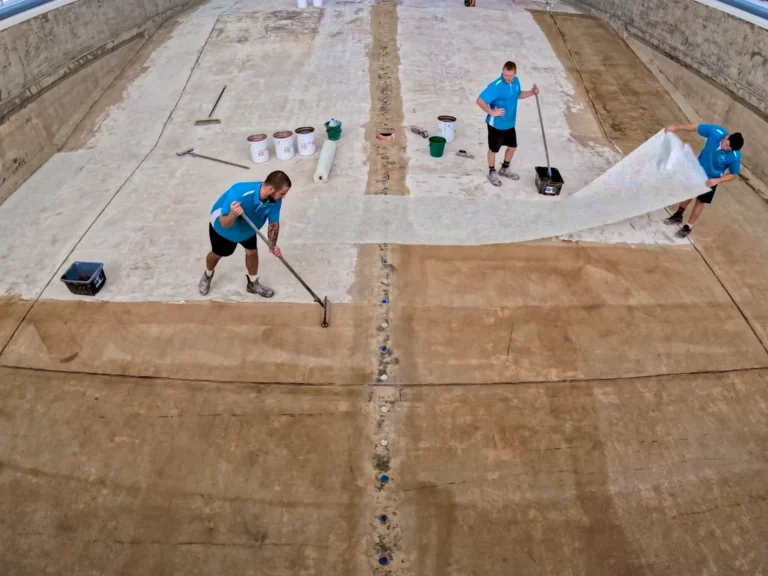
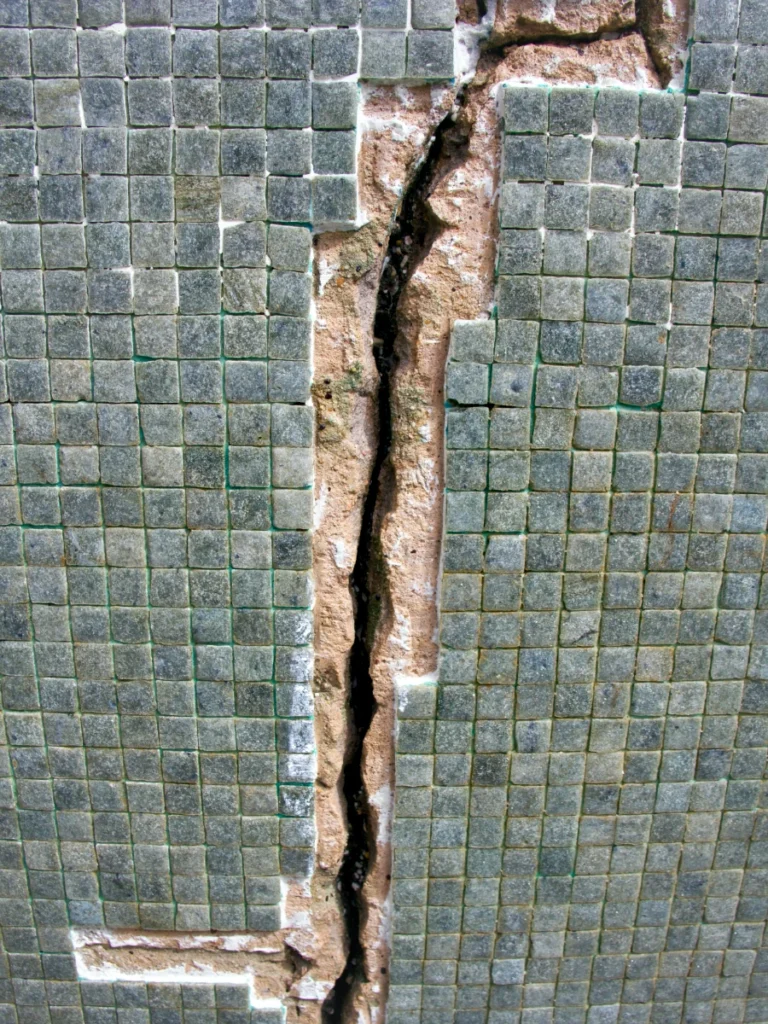
These were the main pool conditions recorded for this project. Select an issue to learn more about its common signs, possible causes and repair considerations.
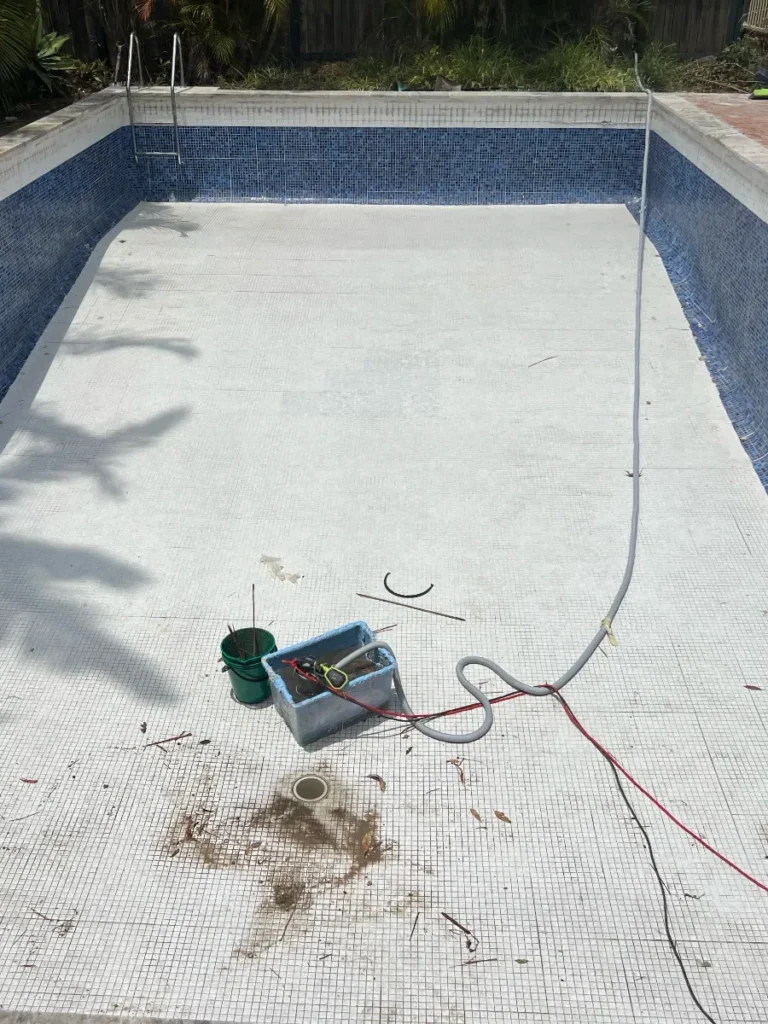
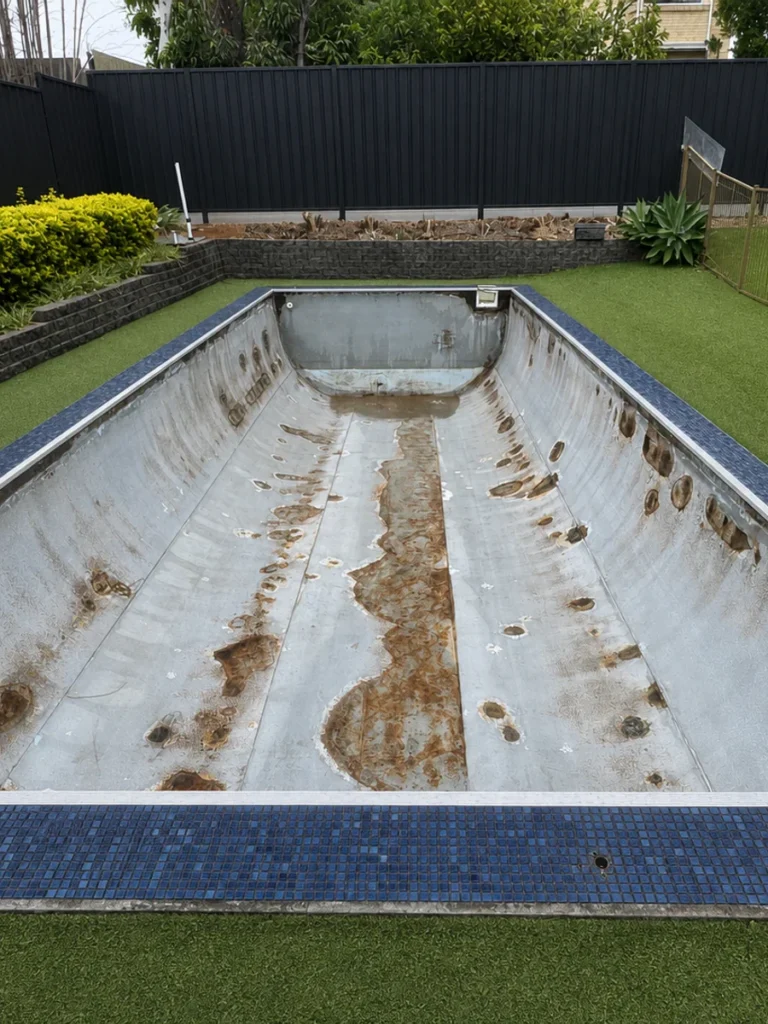
Additional views of the preparation, repair work and completed finish.
Answers to common questions about the pool conditions and restoration work shown in this project.
A 24-hour bucket test can compare pool water loss with normal evaporation. Fill a bucket with pool water, place it securely on a pool step and mark the water level inside the bucket and the pool level outside it. Keep normal circulation running, avoid swimming, backwashing and water features, then compare both levels after 24 hours. If the pool falls noticeably more than the water inside the bucket, a leak is likely. Repeat the test if it rains or the test conditions change.
A fine hairline crack is not automatically structural, but its width alone does not determine the risk. Location, depth, direction, displacement, moisture, surrounding soundness and whether it is growing are all important. Fine crazing may be limited to the surface, while a crack through the shell can admit water or indicate movement. Photograph and mark the crack so changes can be monitored, and arrange an assessment if it is widening, leaking, recurring through repairs or associated with movement.
Tiles and grout can deteriorate because of inadequate original bonding, poor preparation, water entering behind the finish, unsuitable grout, aggressive water chemistry, shell movement or missing movement allowance. A tile face may look sound even when the adhesive behind it has failed. Repeated grout loss, cracks and hollow-sounding areas suggest that more than the visible joint may be affected. The cause should be identified before tiles are reset so the same movement or moisture problem does not continue beneath the repair.
Ongoing water loss, damp ground, staining, water movement at the crack or a bucket test that confirms abnormal loss can indicate leakage, although the actual source may be elsewhere. Structural concern increases where the crack is displaced, widening, repeated through an earlier repair or accompanied by settlement, bowed walls or movement at steps and fittings. Neither condition can be confirmed from a photograph alone. Leak testing and inspection of the surrounding shell are used to determine whether lining repair, plumbing work or structural investigation is required.
It depends on the source of the leak. If the leak is caused by cracks or deterioration in the pool shell, repairs will form part of the resurfacing work rectifying any associated leaks. Leaks from plumbing, fittings or other components need to be identified separately.
A local repair may be suitable when only a few tiles are loose and the surrounding tiles, grout, substrate and waterproofing remain sound. The failed tiles and old adhesive need to be removed back to a stable base before pool-suitable materials are used. If nearby tiles sound hollow, grout loss is widespread or cracks continue through the area, replacing isolated tiles is likely to be temporary. A broader inspection should establish the boundary of the bond failure before the repair scope is chosen.
Send us a few photos and our team can help identify the likely issue and the most suitable next step.